Masaka mothers urged to breastfeed babies as partners launch Wall of Hope
Health workers and child advocates in Masaka have called for stronger support for breastfeeding, saying it remains central to giving babies a healthy start in life and improving newborn survival.
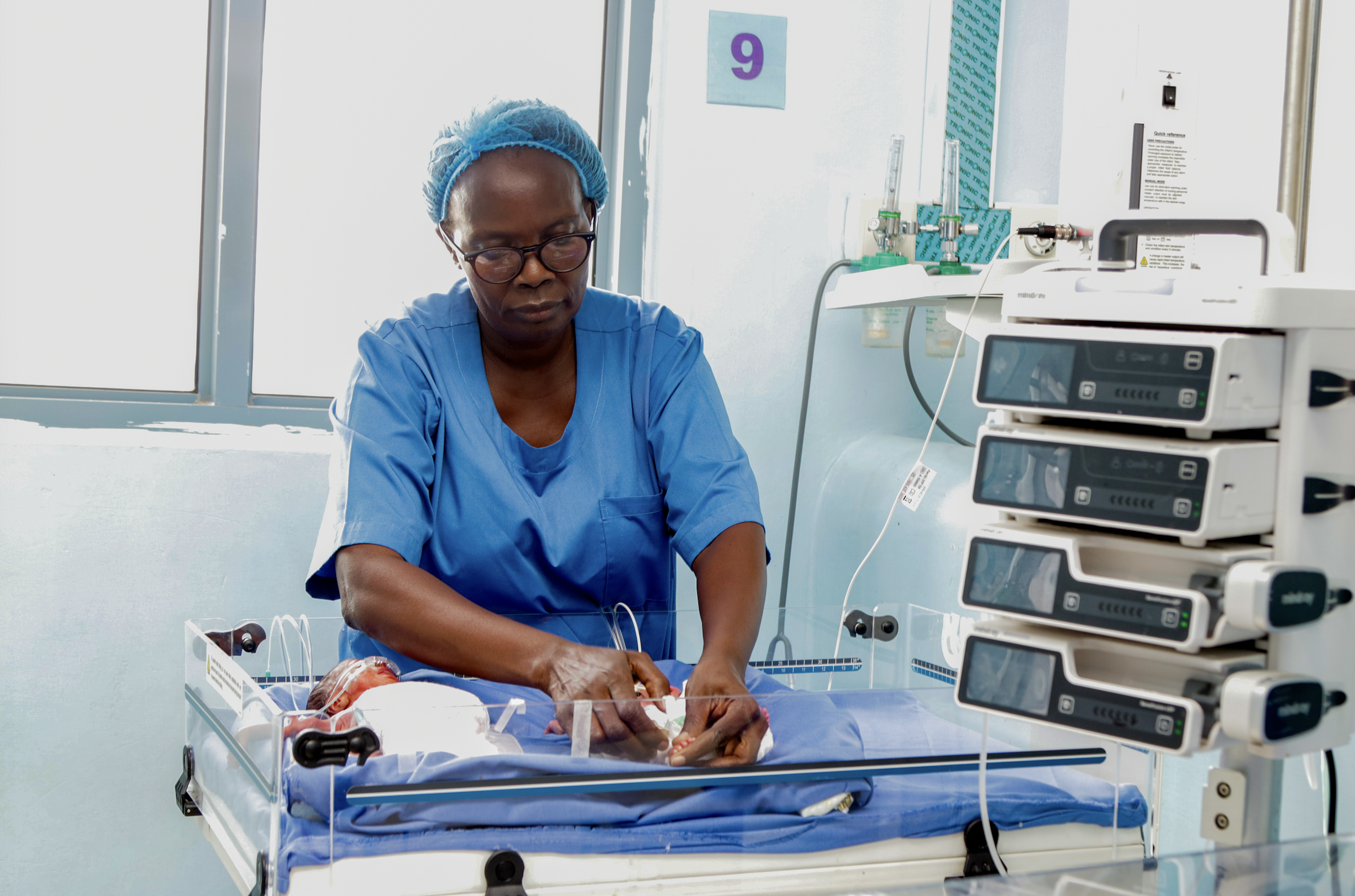
For mothers whose babies arrive too early or too sick, the first days of life can be filled with uncertainty. At Masaka Regional Referral Hospital, where vulnerable newborns receive specialized care, the question is not only whether a baby will survive the neonatal intensive care unit, but what happens after the family goes home.
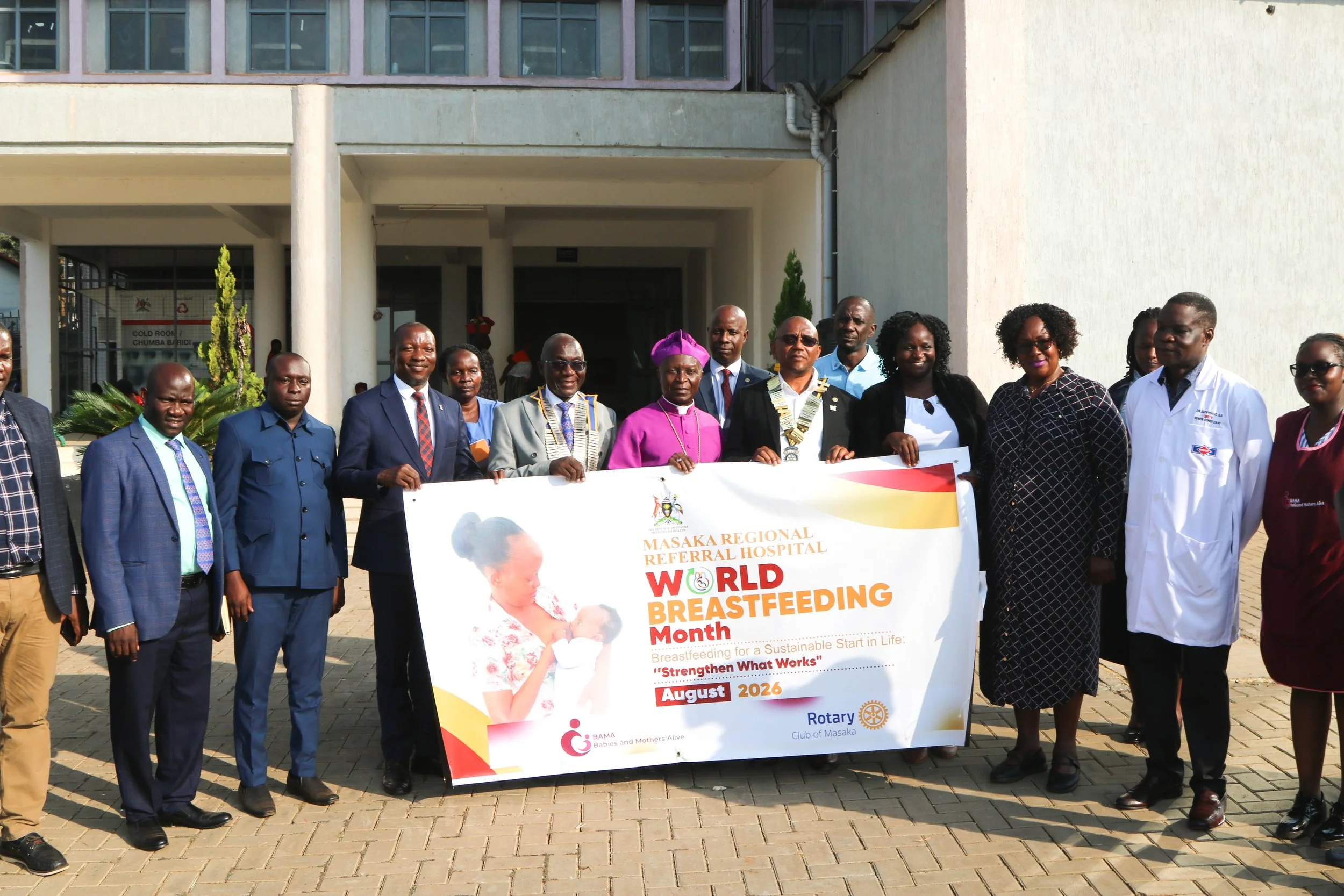
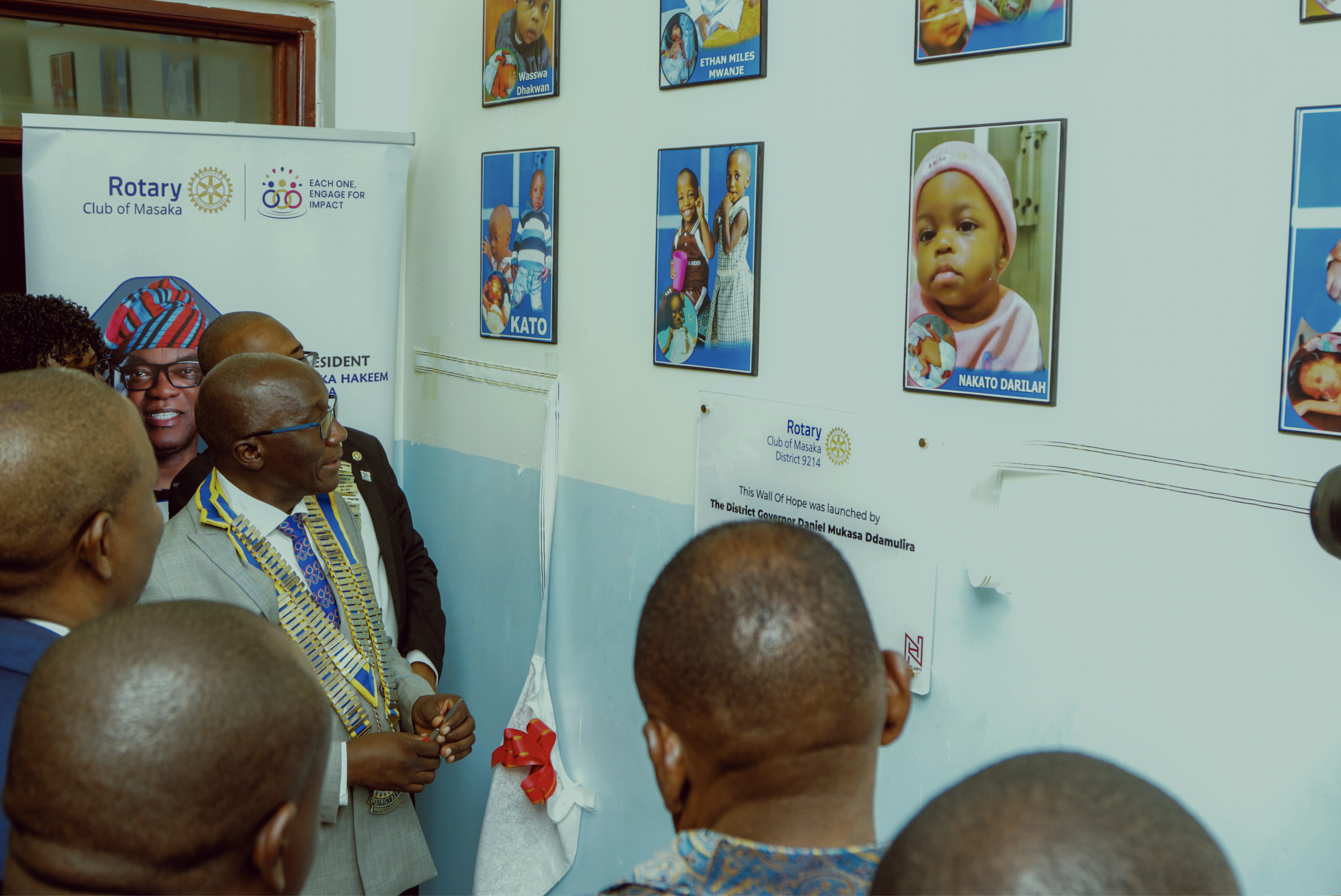
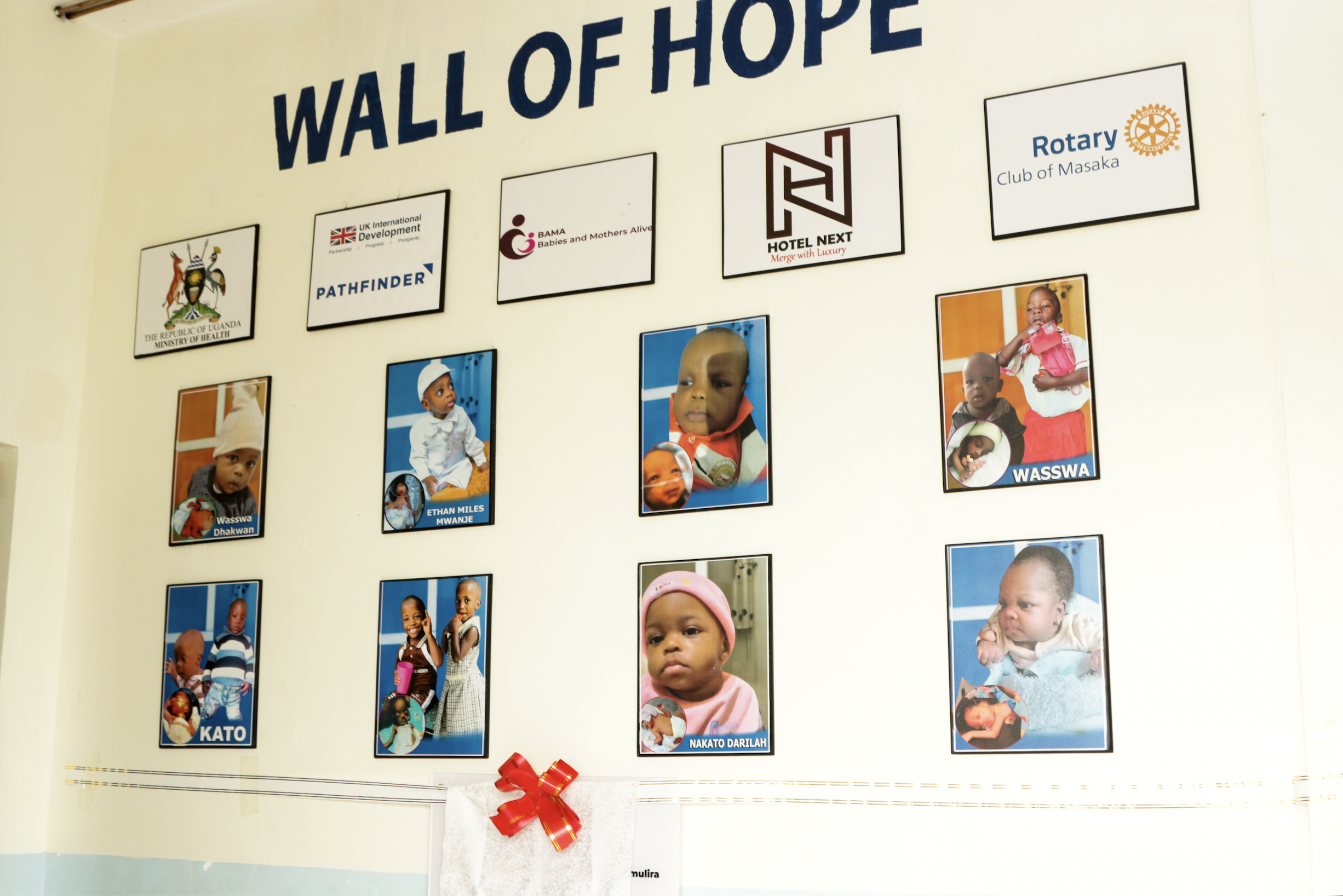
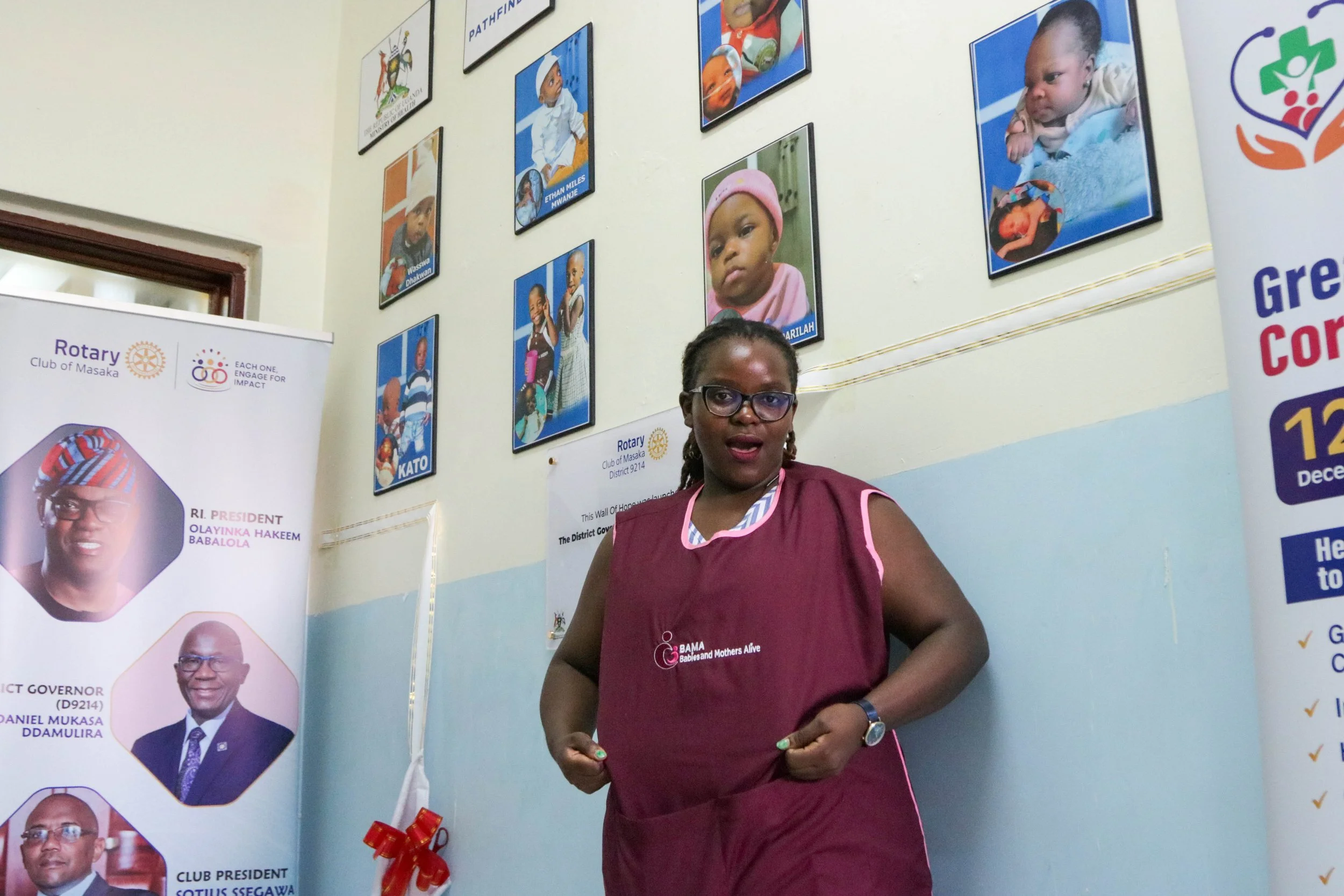
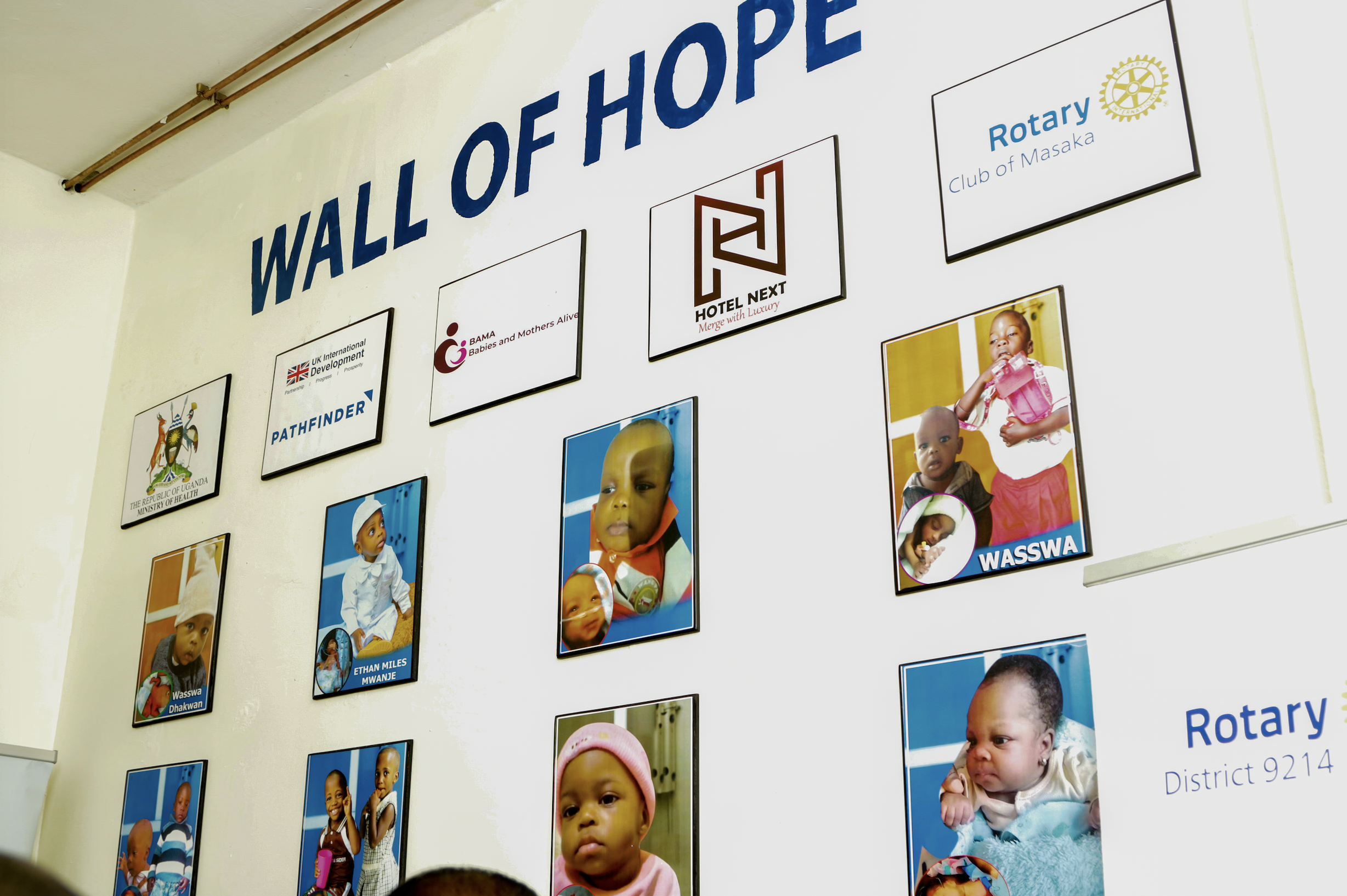
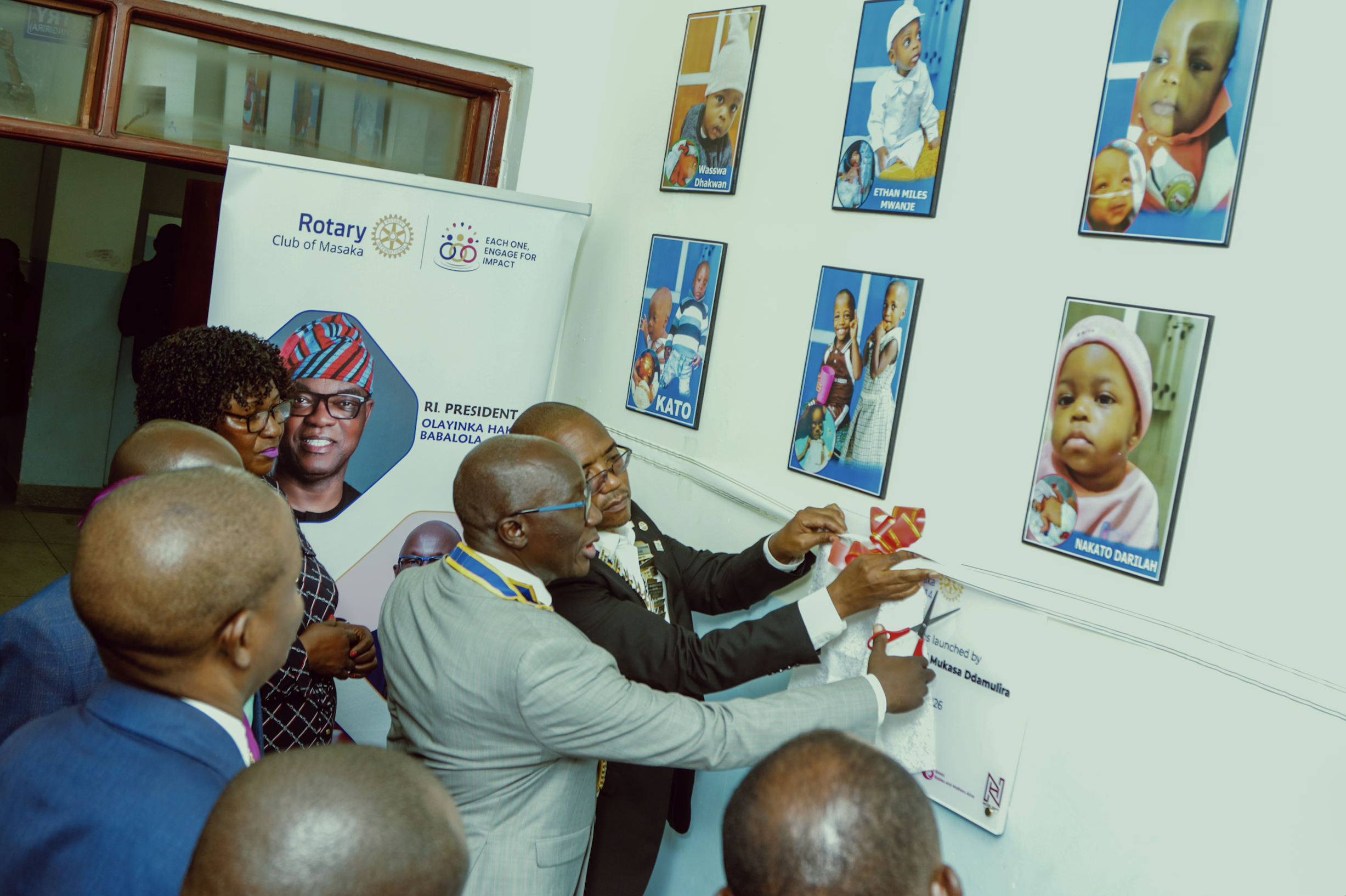
That question framed the launch of a Wall of Hope at the hospital’s Neonatal Intensive Care Unit (NICU), held during Uganda’s August Breastfeeding Month.
The wall, launched by the Rotary Club of Masaka together with the Babies and Mothers Alive Foundation (BAMA), Pathfinder International and Hotel Next Masaka, in partnership with the Ministry of Health, is intended to remind parents and families that babies born prematurely or with other complications can survive and thrive when they receive the right care and support.
The launch opened a wider conversation about what it takes to give premature and sick newborns a chance to survive, and what happens after they leave the hospital.
Ninsiima Richard, Principal Nutritionist at Masaka Regional Referral Hospital, said breastfeeding is particularly important for newborns because of the protection and nutrition it provides.
“Their survival depends heavily on what they eat. And what is their food? Breast milk,” he said.
Ninsiima said breastfeeding should not be viewed as the responsibility of mothers alone. Families, health workers, community leaders and institutions all have a role in creating an environment in which mothers can breastfeed successfully.
“African women do a lot of work,” he said. “So how can we help them?” Supporting mothers with household responsibilities, he argued, can give them more time to care for their children and sustain breastfeeding. He also called for hospitals and workplaces to create breastfeeding spaces that allow mothers to continue breastfeeding even while working.
“Breast milk is a baby's first immunization,” he said, adding that it supports the immune system and helps babies fight infections.
Ninsiima urged families to maintain exclusive breastfeeding from birth to six months, while cautioning against the early introduction of other foods.
Data from the 2022 Uganda Demographic and Health Survey show encouraging progress in breastfeeding practices. Exclusive breastfeeding among infants aged 0–5 months has risen to 94%, while 96% of children have been breastfed at some point. The survey also found that 82% of newborns began breastfeeding within the first hour of life, and 86% had skin-to-skin contact with their mothers during that crucial first hour, practices that can help establish and sustain breastfeeding.
Despite this progress, the chief nutritionist raised concern about the early introduction of cassava porridge among some infants in Central Uganda, saying that when given too early, it can displace more appropriate and nutrient-rich foods and increase the risk of poor nutrition.
“We need the support of religious leaders, cultural leaders and other community leaders to help families understand the importance of exclusive breastfeeding for the first six months and to stop giving our babies cassava porridge,” he said.
A hospital carrying a growing burden
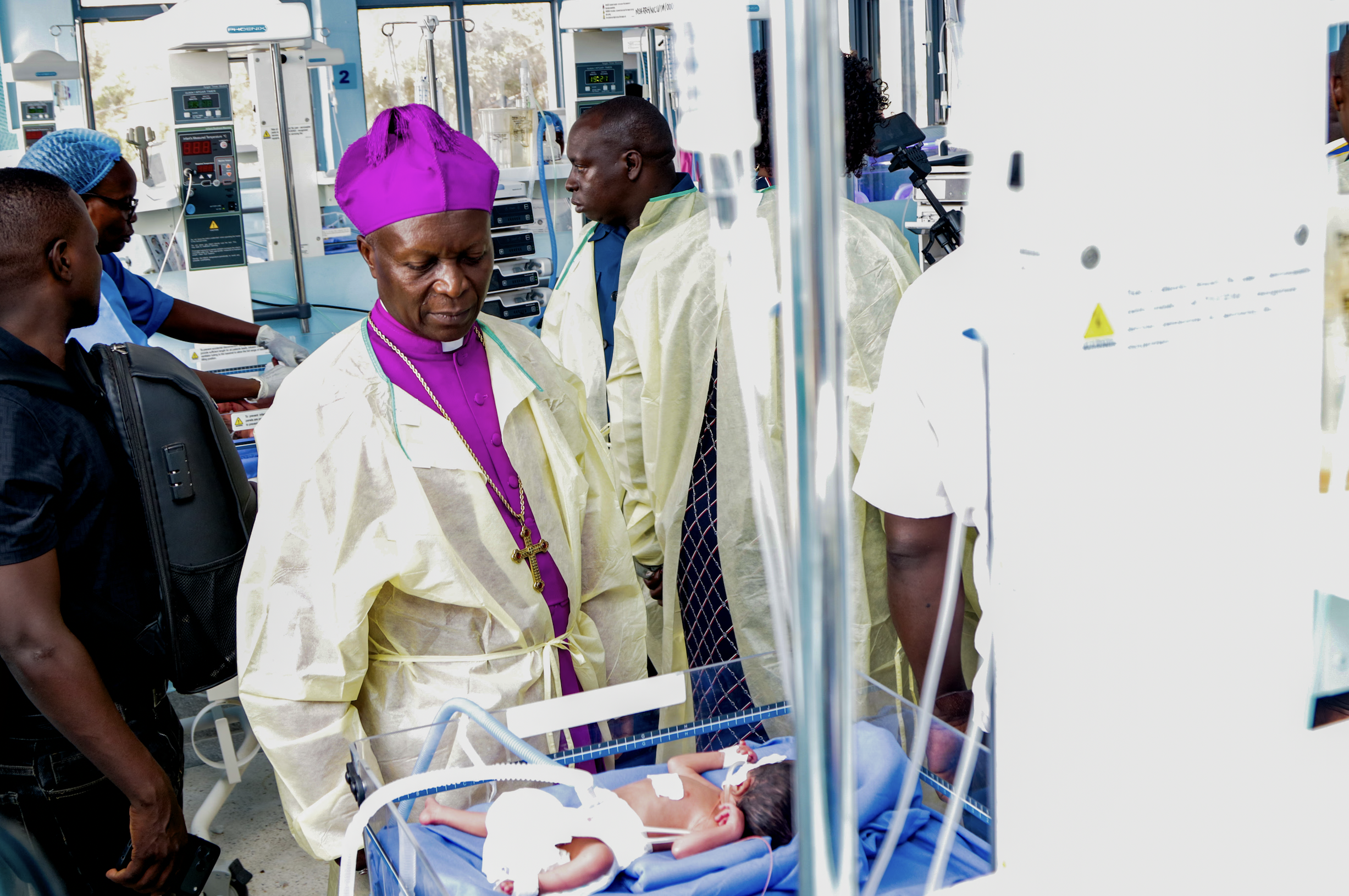
Masaka Regional Referral Hospital serves families from across the Greater Masaka region and provides specialized newborn care.
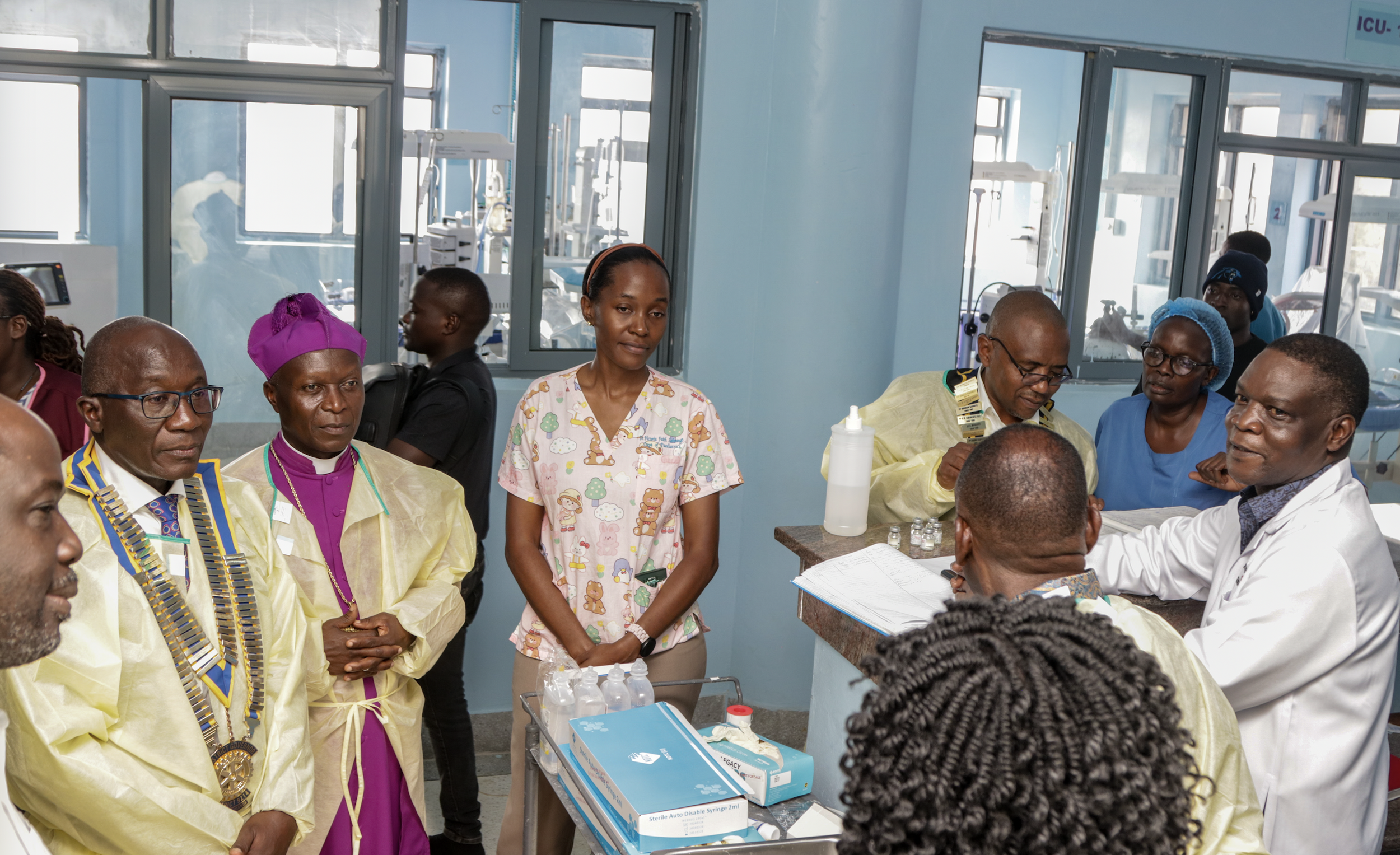
According to Dr Gerald Ojambo, Regional Neonatologist at Masaka Regional Referral Hospital, the region has made important progress but still faces a significant challenge in meeting the growing need for newborn care. “I am proud to say that Masaka is currently the only place outside Kampala where we can provide ventilation for newborns,” Dr Ojambo said. “We are proud of that achievement, but we still have a long way to go. We continue to face challenges.”
He said the focus must be not only on improving specialist services at the regional referral hospital, but also on taking quality newborn care closer to families.
“We want the village and lower-level health centers to be able to provide appropriate care closer to where families live,” he said. “That is why we are here.”
He thanked partners for their support and urged them to continue investing in neonatal care. “We still have a lot to do,” he said.
Looking beyond the hospital
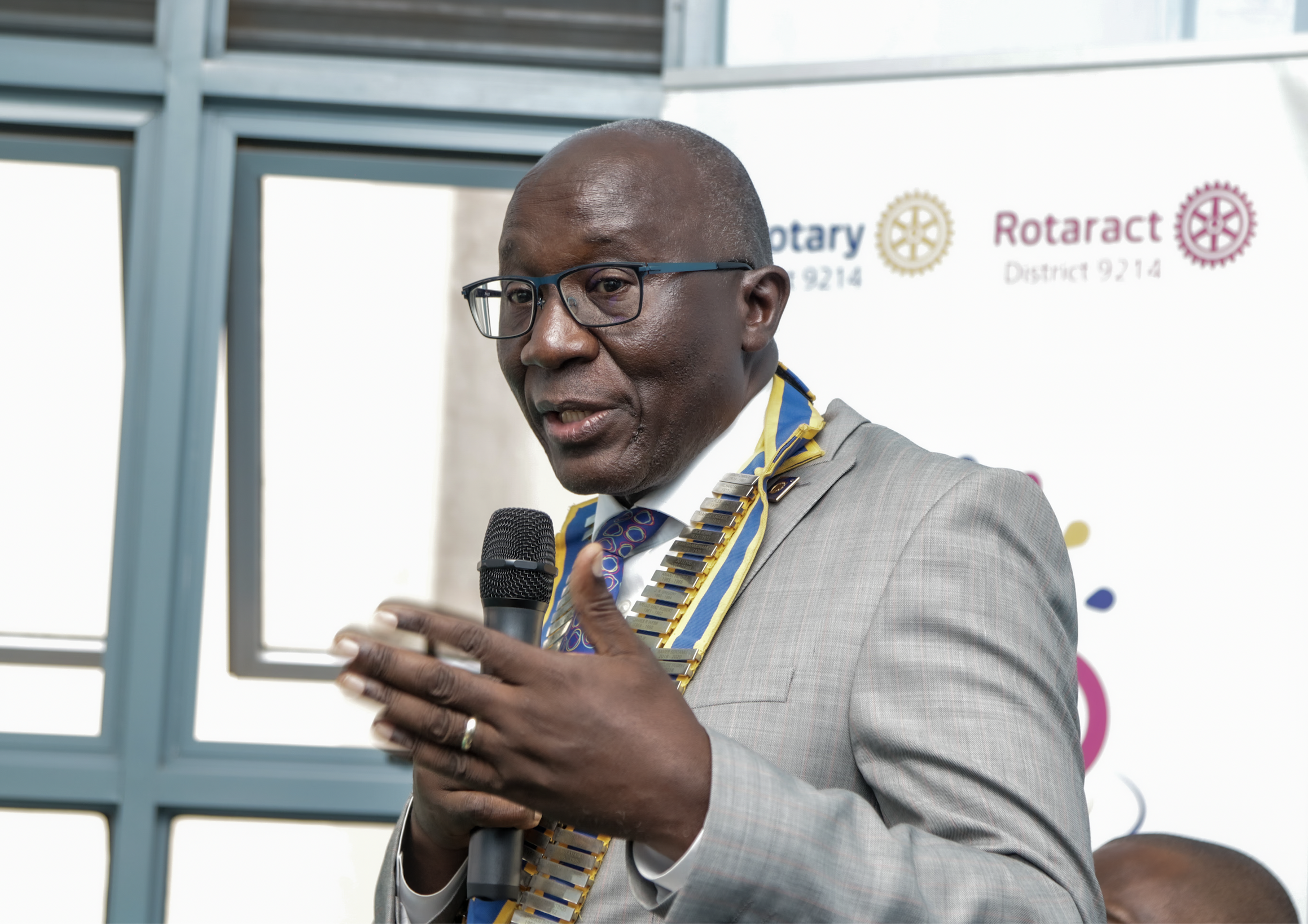
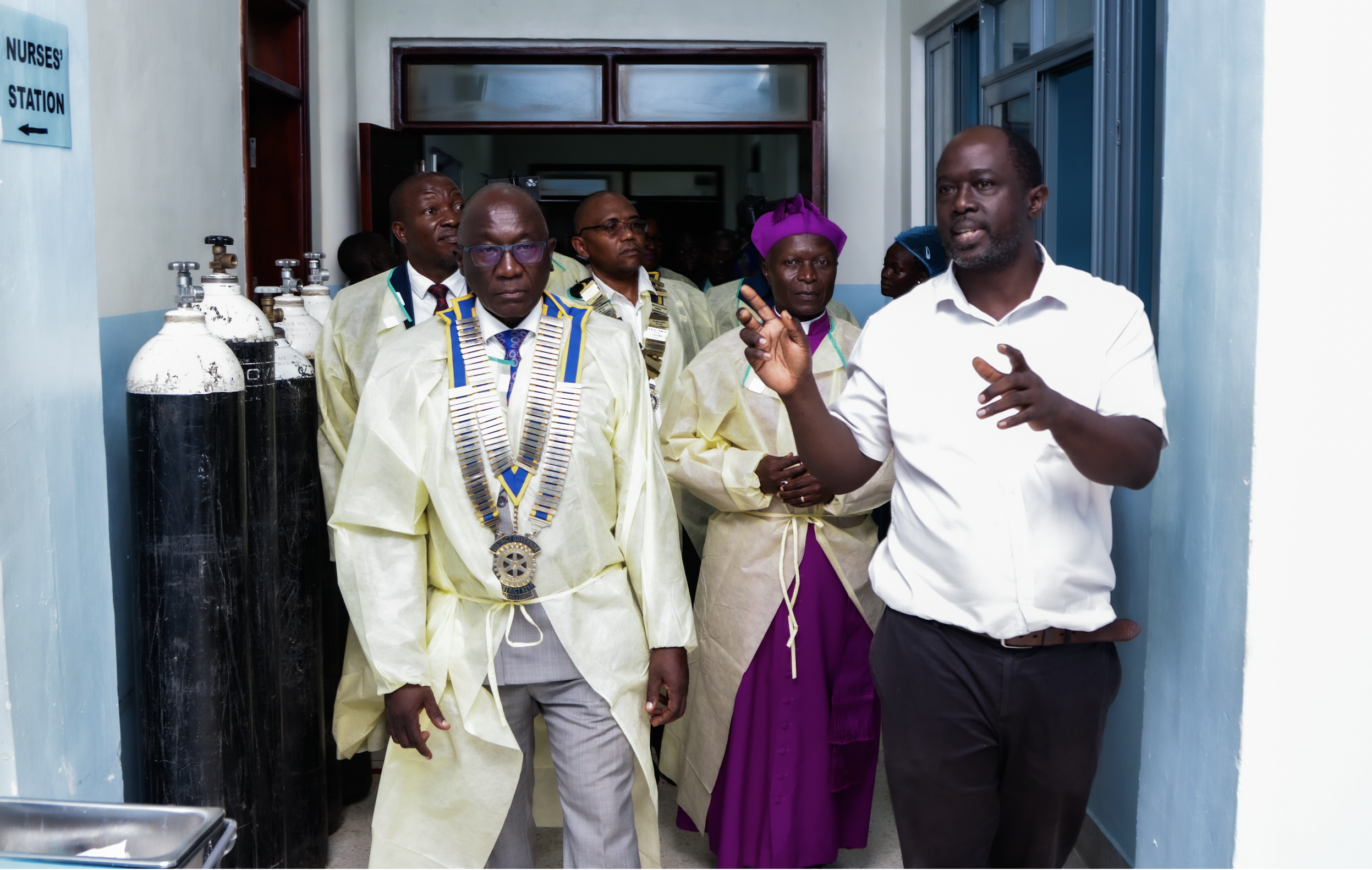
For Daniel Mukasa Ddamulira, Rotary District 9214 District Governor, the growing visibility of neonatal health challenges should prompt a broader conversation about prevention as well as treatment. He said Rotary was committed to confronting problems rather than simply observing them.
“We are not just watching, but we have made a decision to confront the problems head-on,” he said.
During visits to hospitals in Kasese and Ibanda, Ddamulira said he had also seen a growing number of neonatal cases, prompting questions about what might be contributing to the burden.
“As Rotarians, perhaps we may be interested in finding even bigger solutions beyond supporting the clinics here,” he said.
He called for greater reflection on whether some of the challenges could be prevented, while recognizing the immediate need to support babies who already require care.
“But before we find that solution, let us first help and provide solutions to what we see,” he said.
Ddamulira also linked the conversation to breastfeeding, saying mothers need support from families and communities to breastfeed successfully. “Breastfeeding is an extremely important issue,” he said, adding that fathers also have a role to play in supporting mothers and ensuring children get the best start possible.
A wall for parents navigating uncertainty
For Dr Catherine Naziwa, a Medical Officer Volunteer at BAMA attached to Masaka Regional Referral Hospital, the Wall of Hope speaks directly to parents navigating the uncertainty of a premature birth.
“Once you have a premature baby, you enter a world you never knew existed. It is okay to feel scared and exhausted. The chapter is hard, but in the NICU, love grows and hope lives there,” she said.
“This Wall of Hope is meant to give strength to families and remind them that there is light at the end of the tunnel.”
She said BAMA hopes the wall will encourage families to remain engaged with lifesaving care, including Kangaroo Mother Care and follow-up after discharge through the Hospital-to-Home program.
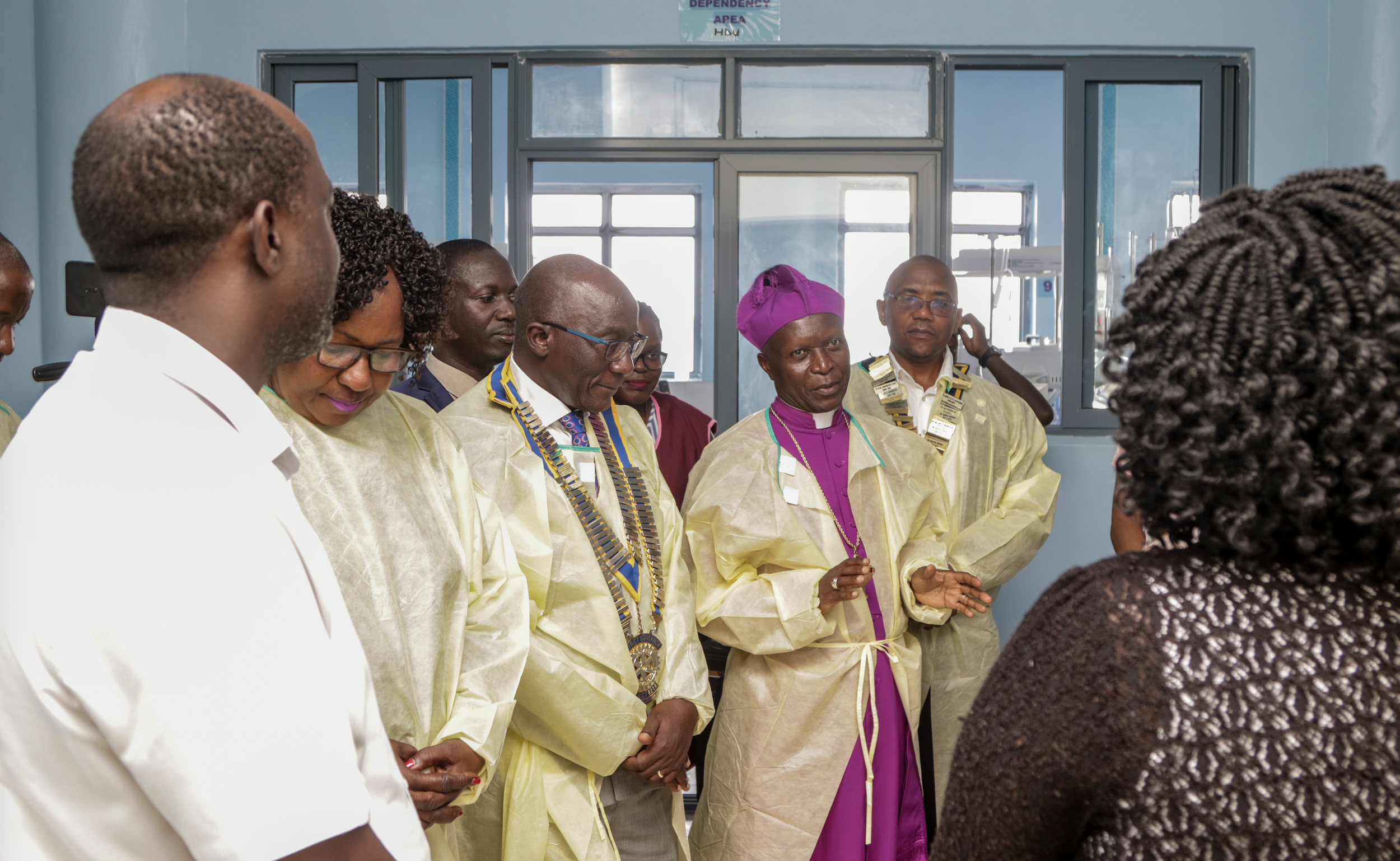
The launch brought together health workers, Rotary members, government representatives, community and religious leaders, including Rt Rev Gaster Nsereko, Bishop of West Buganda Diocese; Pokino Jude Muleke, representative of the Kabaka of Buganda in Buddu County; and Florence Namayanja, Mayor of Masaka City, among other stakeholders.
For the people caring for newborns, however, hope needs to be matched with action, from breastfeeding support and appropriate nutrition to better neonatal equipment, stronger community services and continued investment in care.
For families arriving at Masaka’s NICU, the hope is that a premature or sick newborn has a chance to survive, and that the care and support needed to thrive continue long after the hospital doors close behind them.
