Hospital to Home, Uganda’s newborn care leaders seek to close the gap after discharge
A newborn can survive the most dangerous days of life inside a neonatal care unit, only to face a new set of risks after going home.
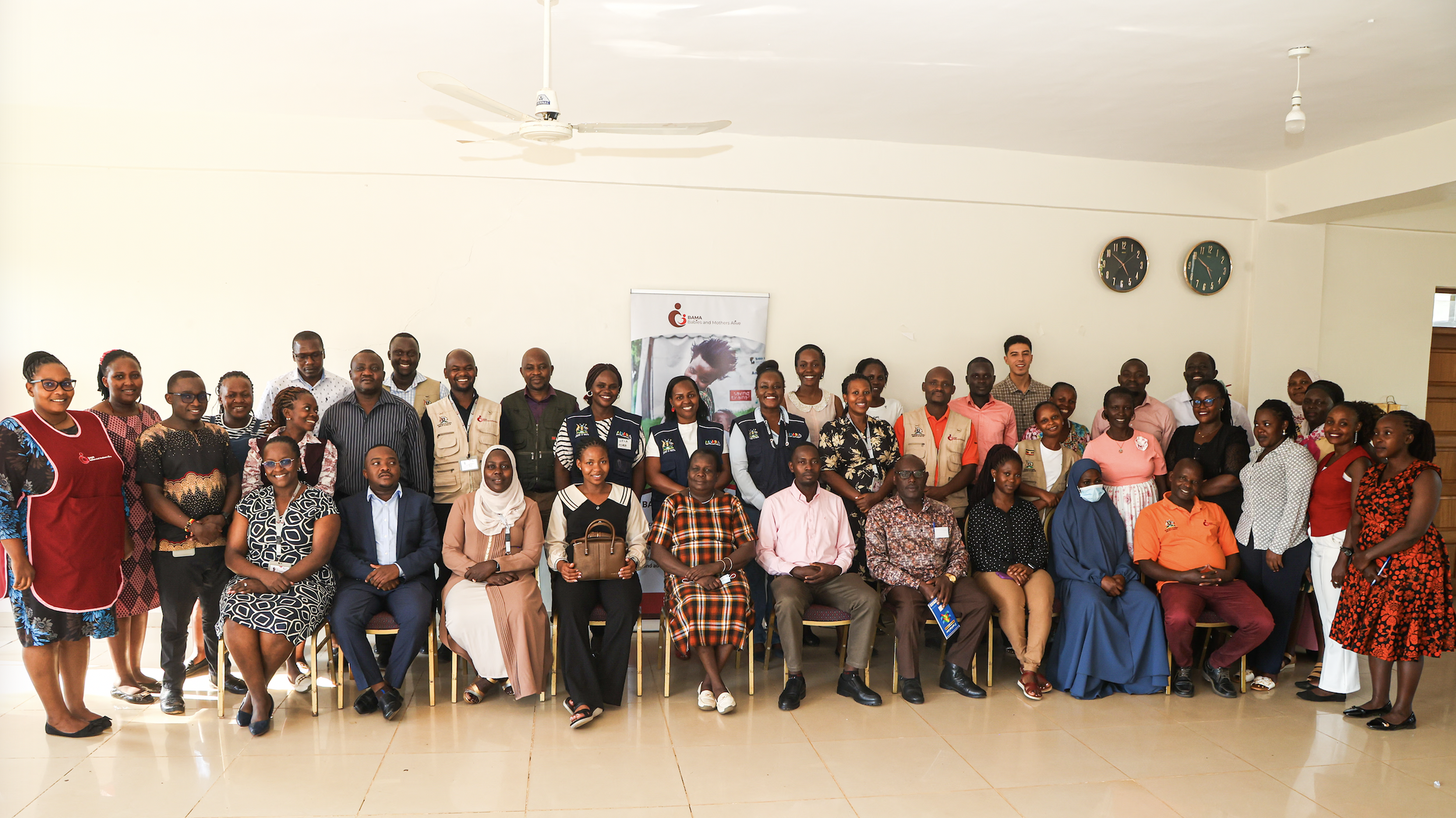
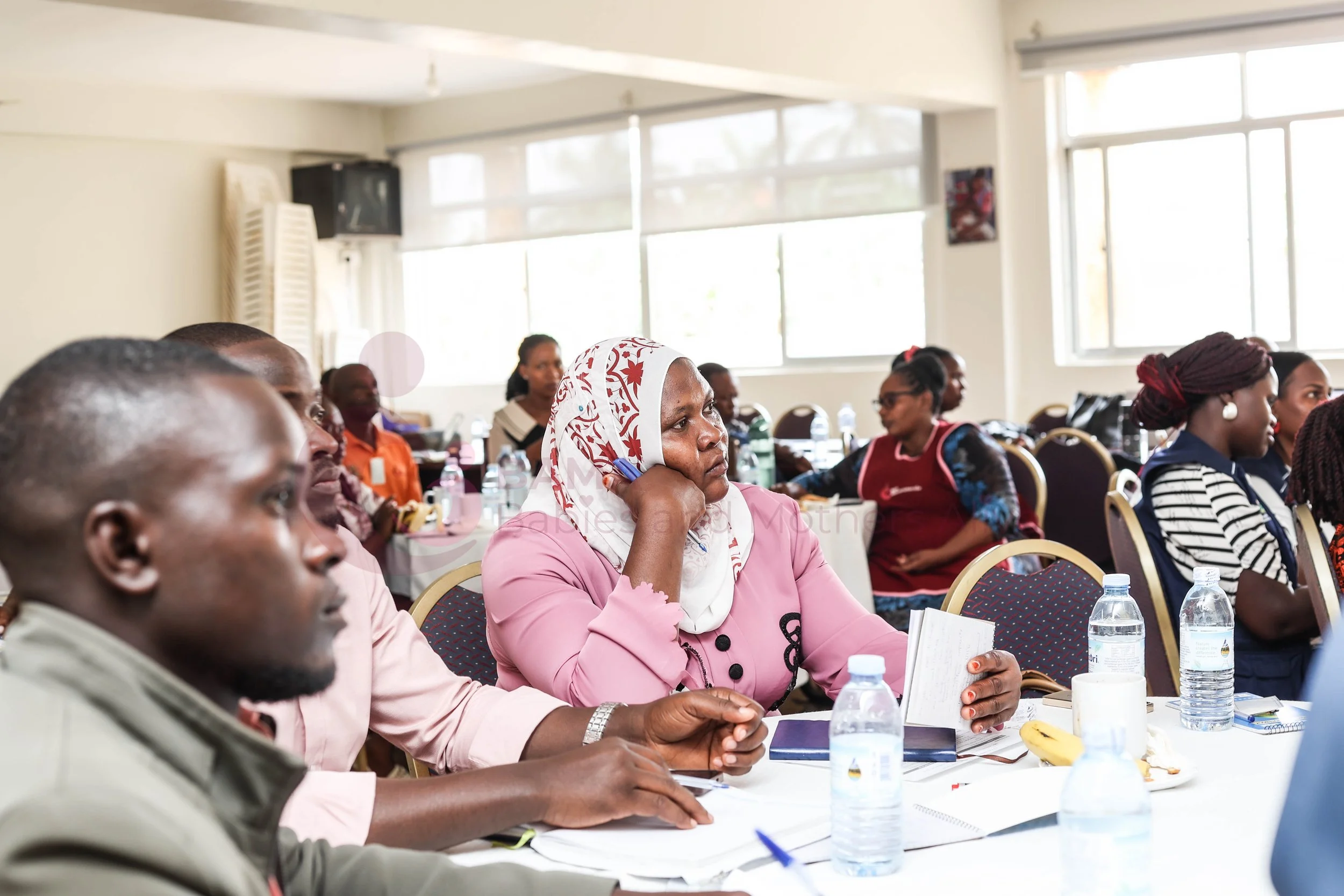
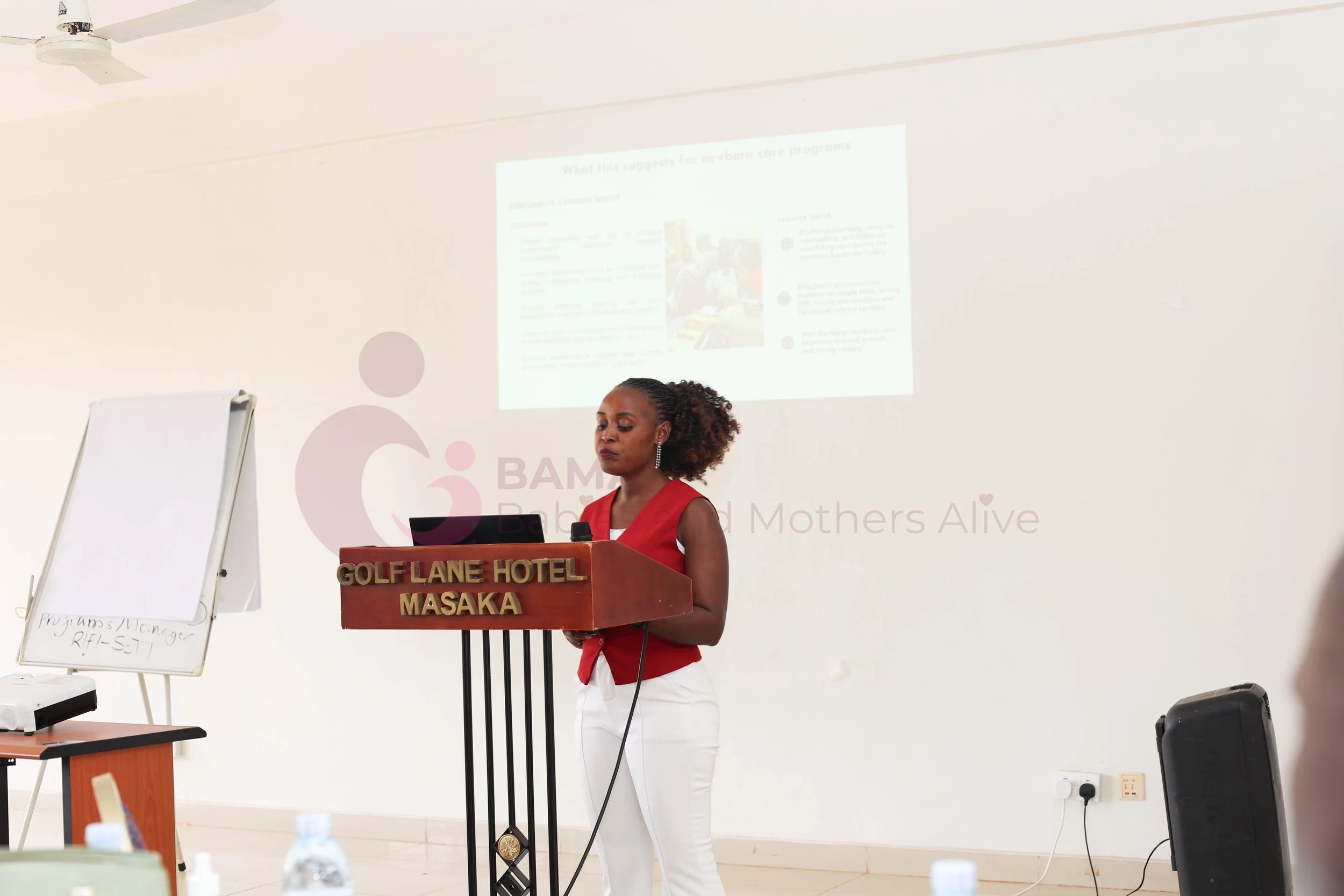
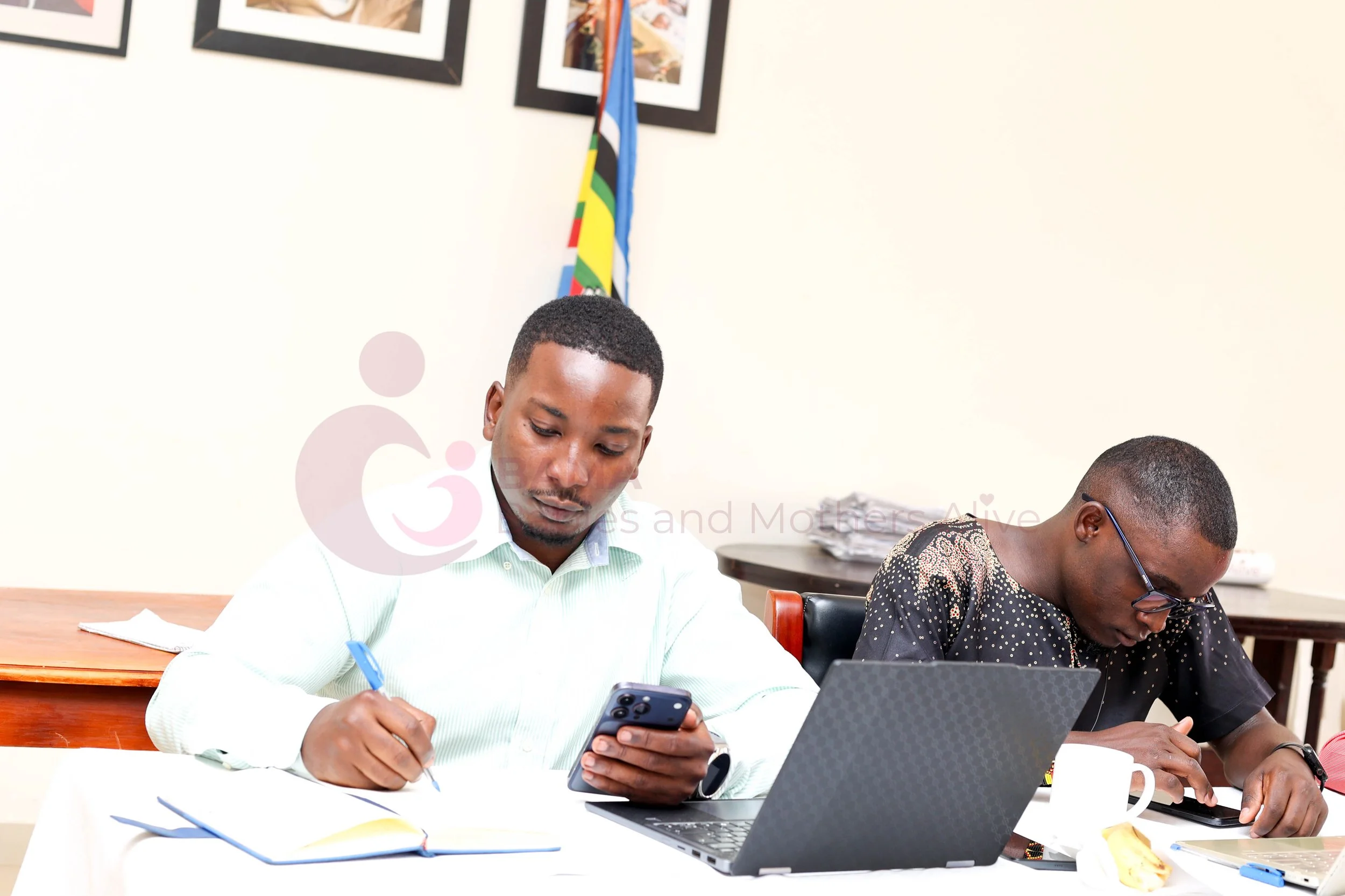
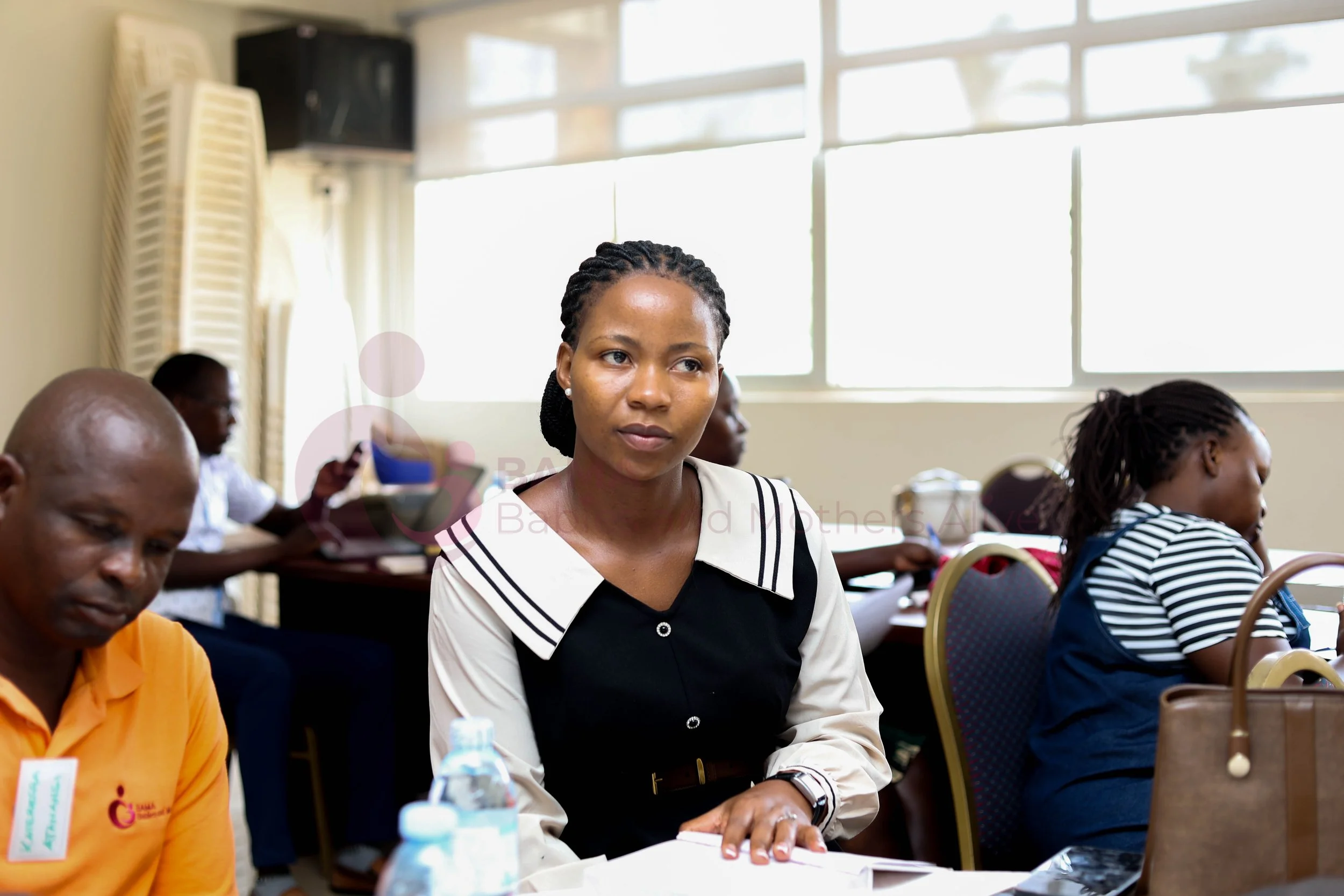
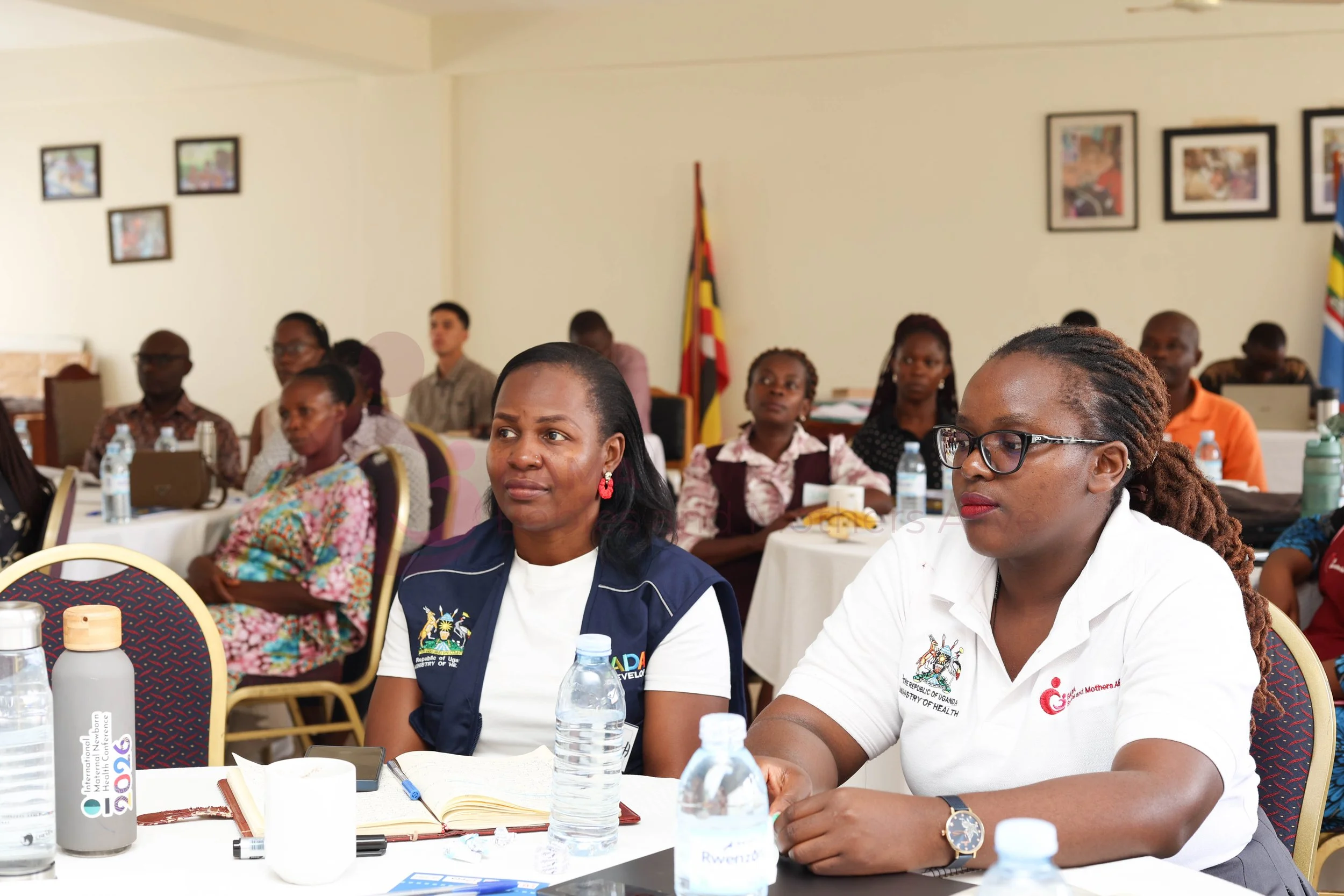
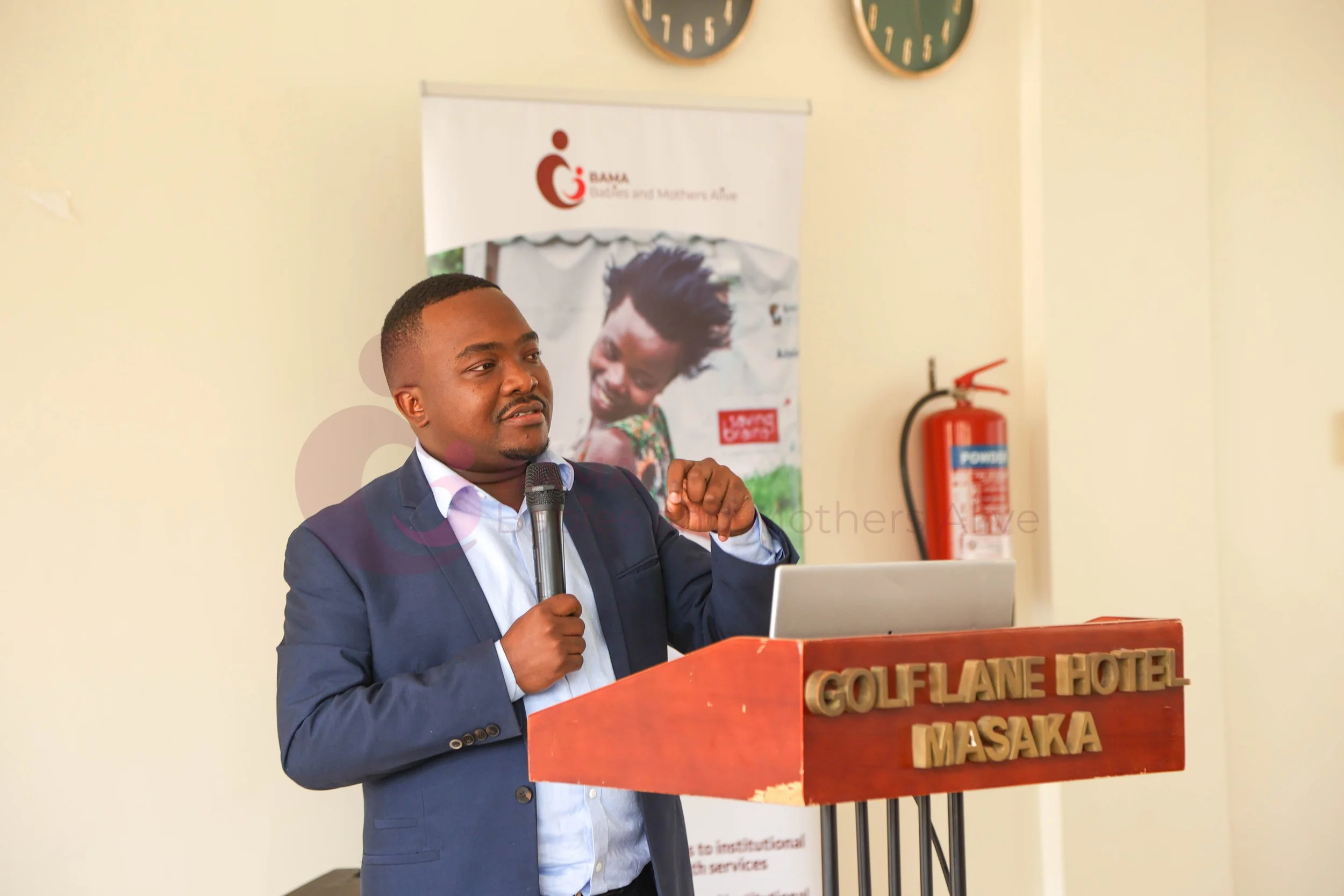
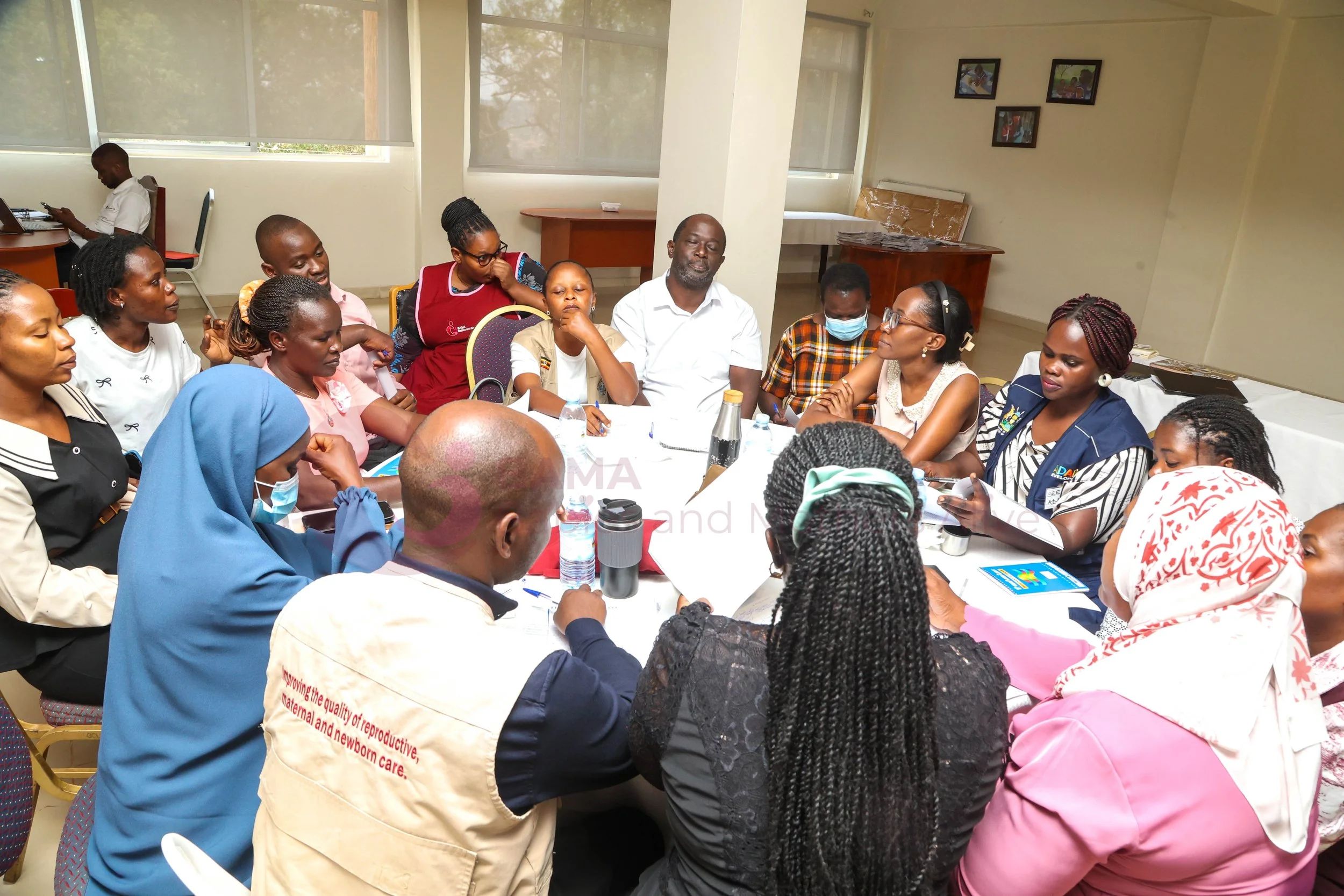
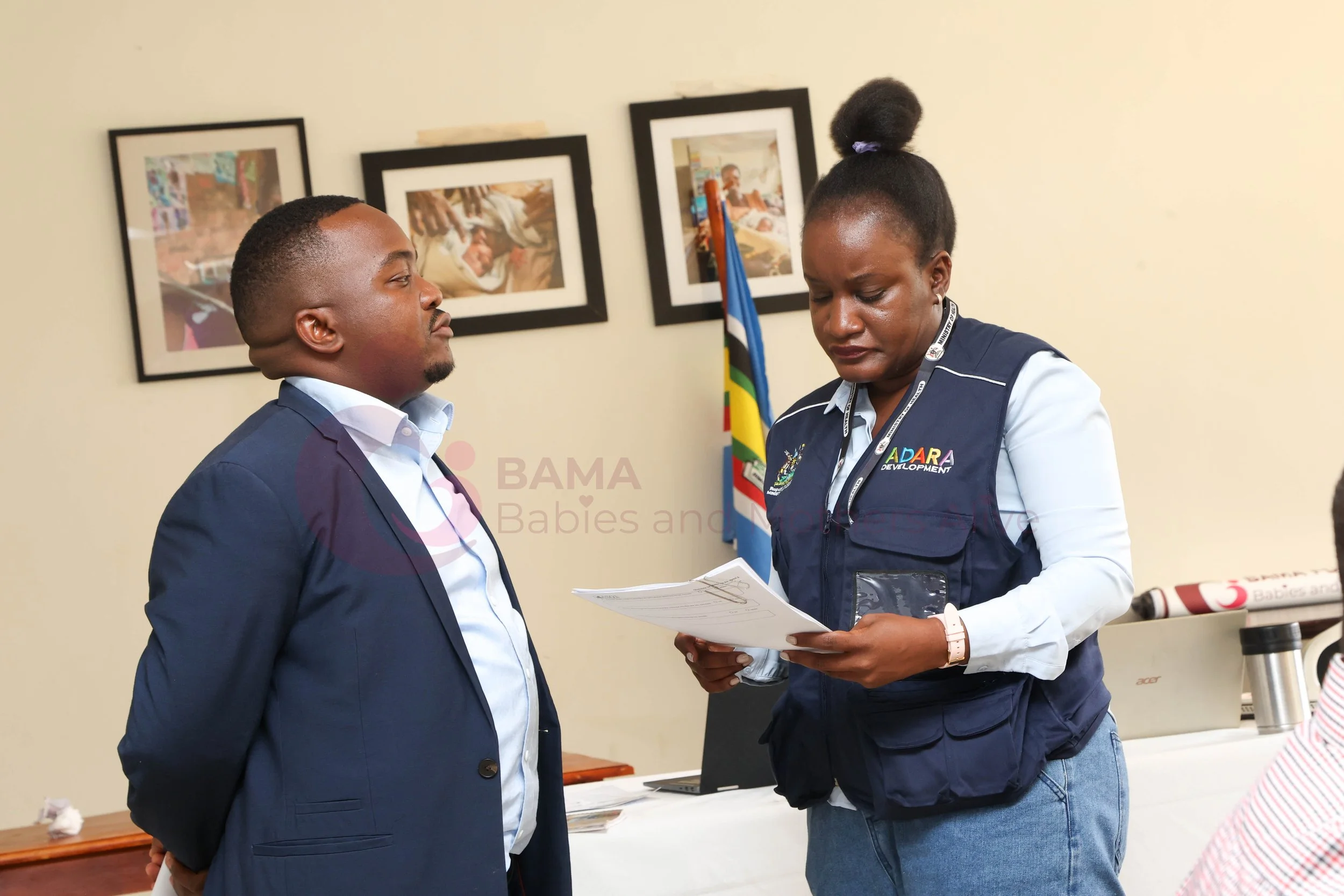
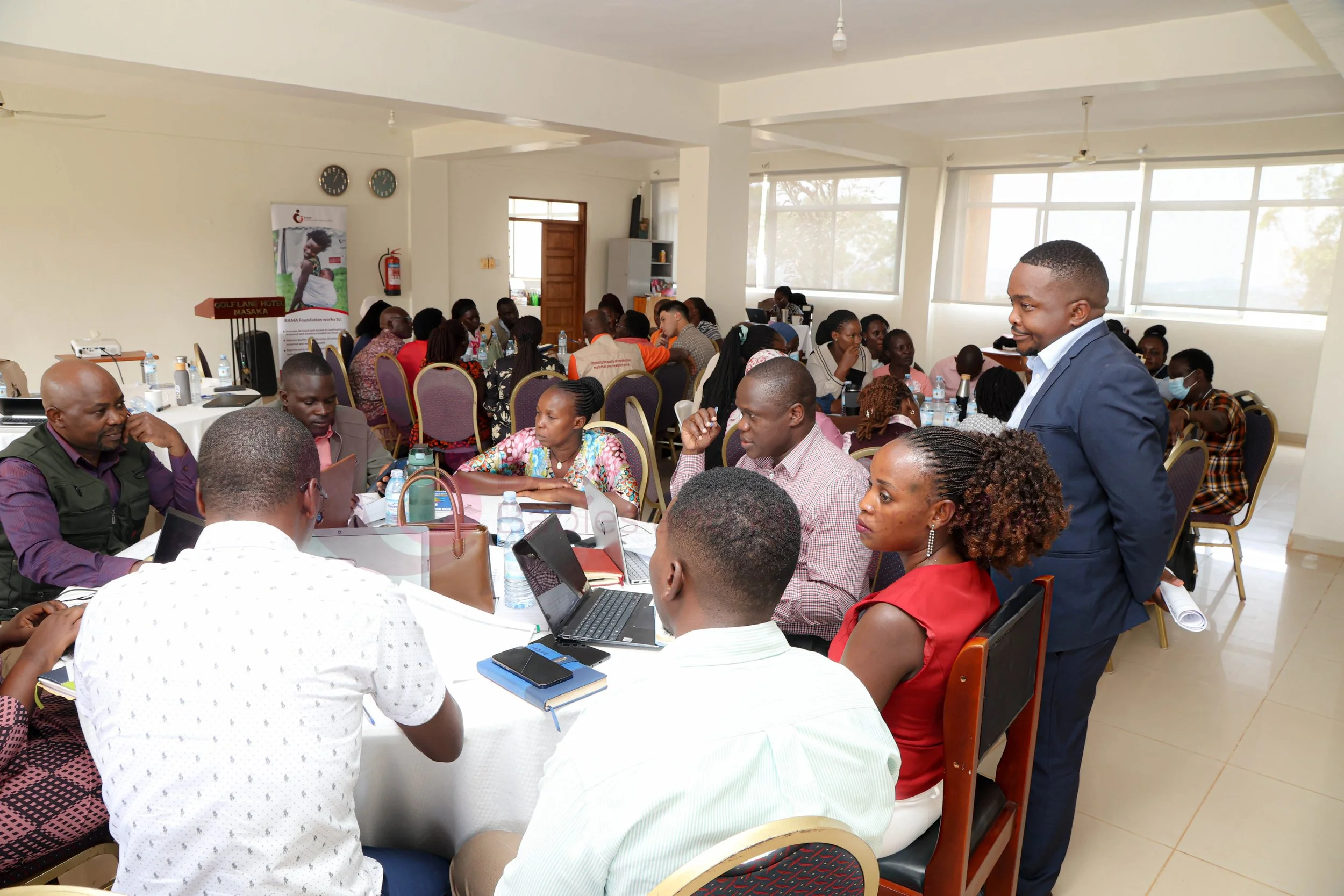
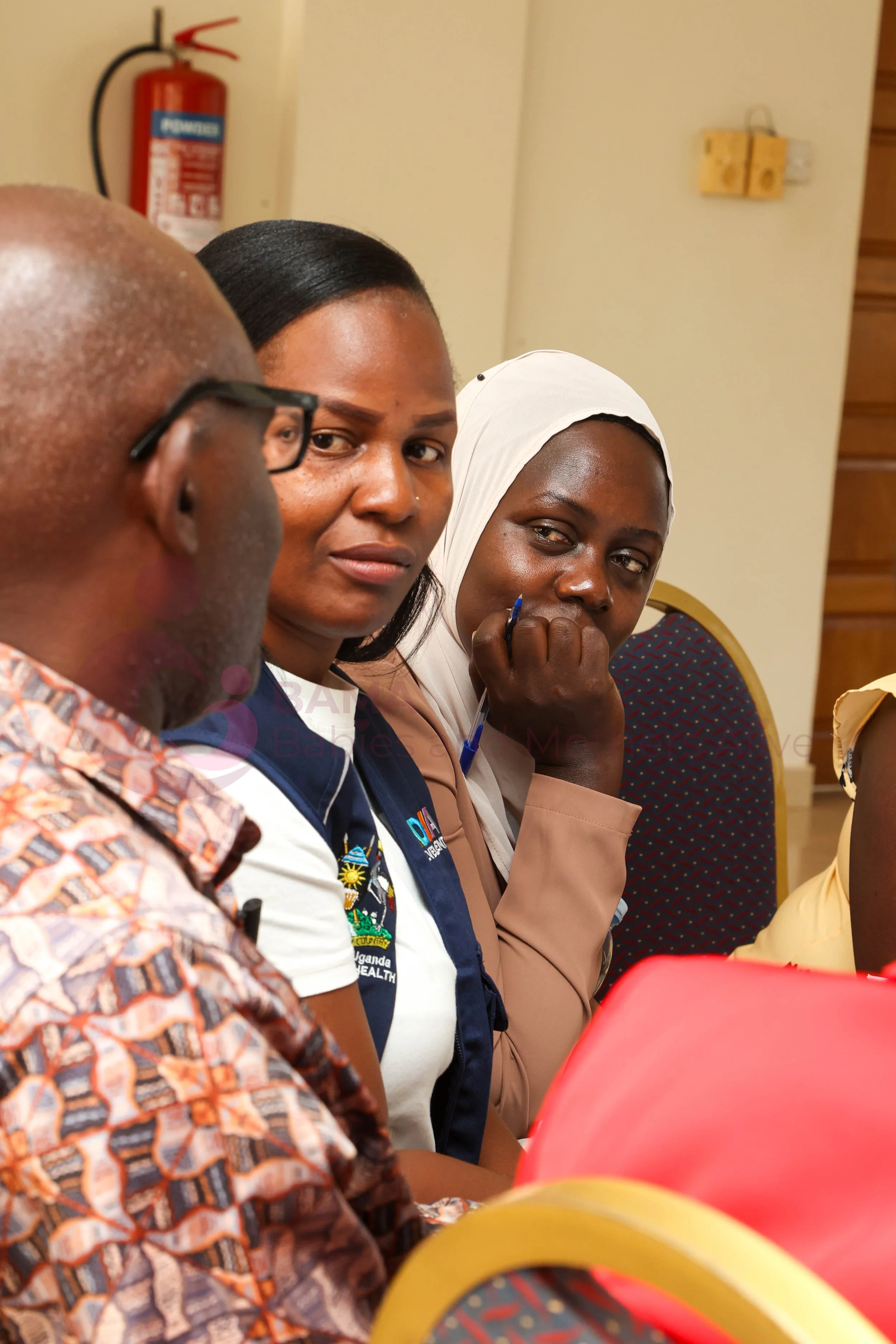
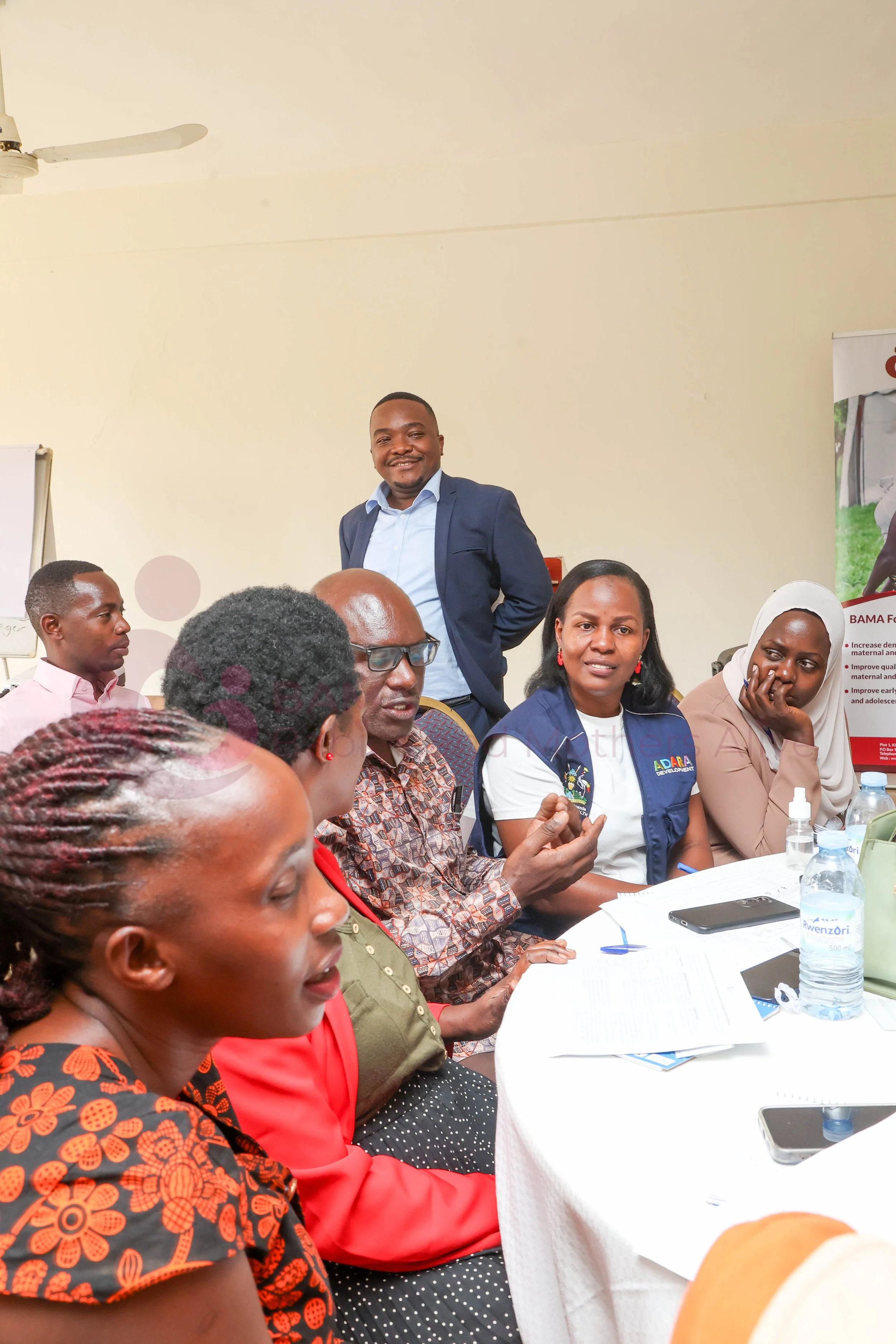
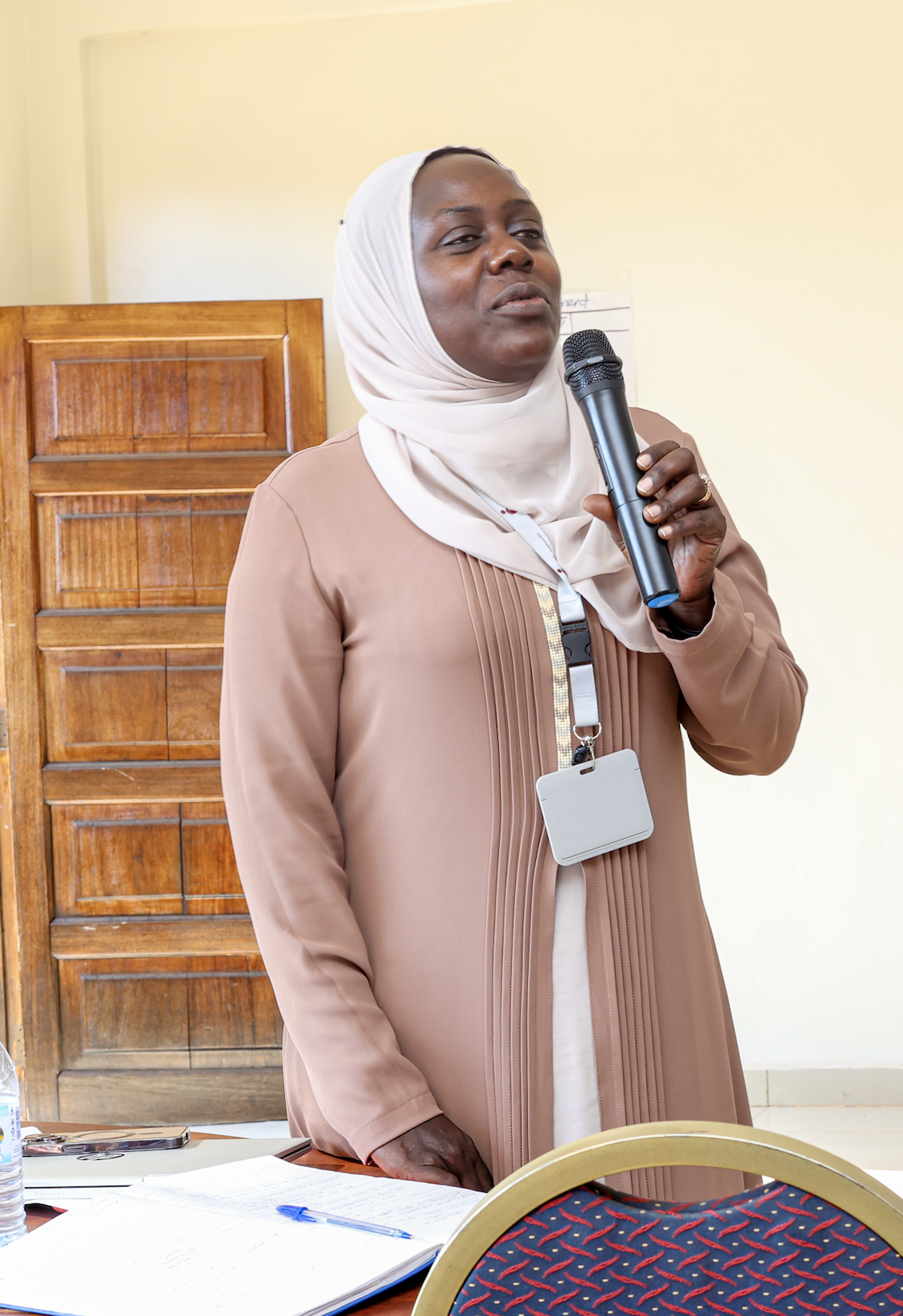
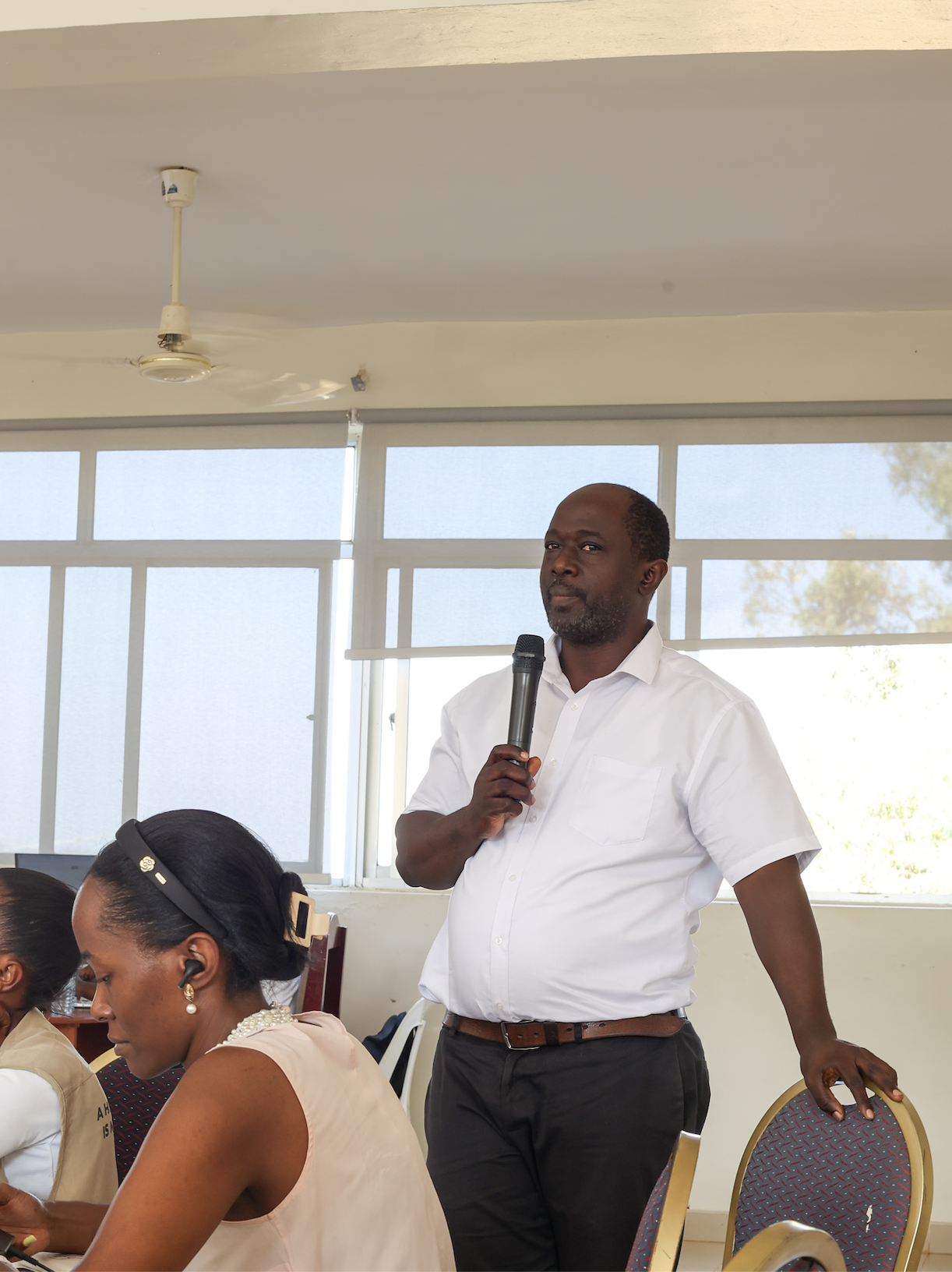
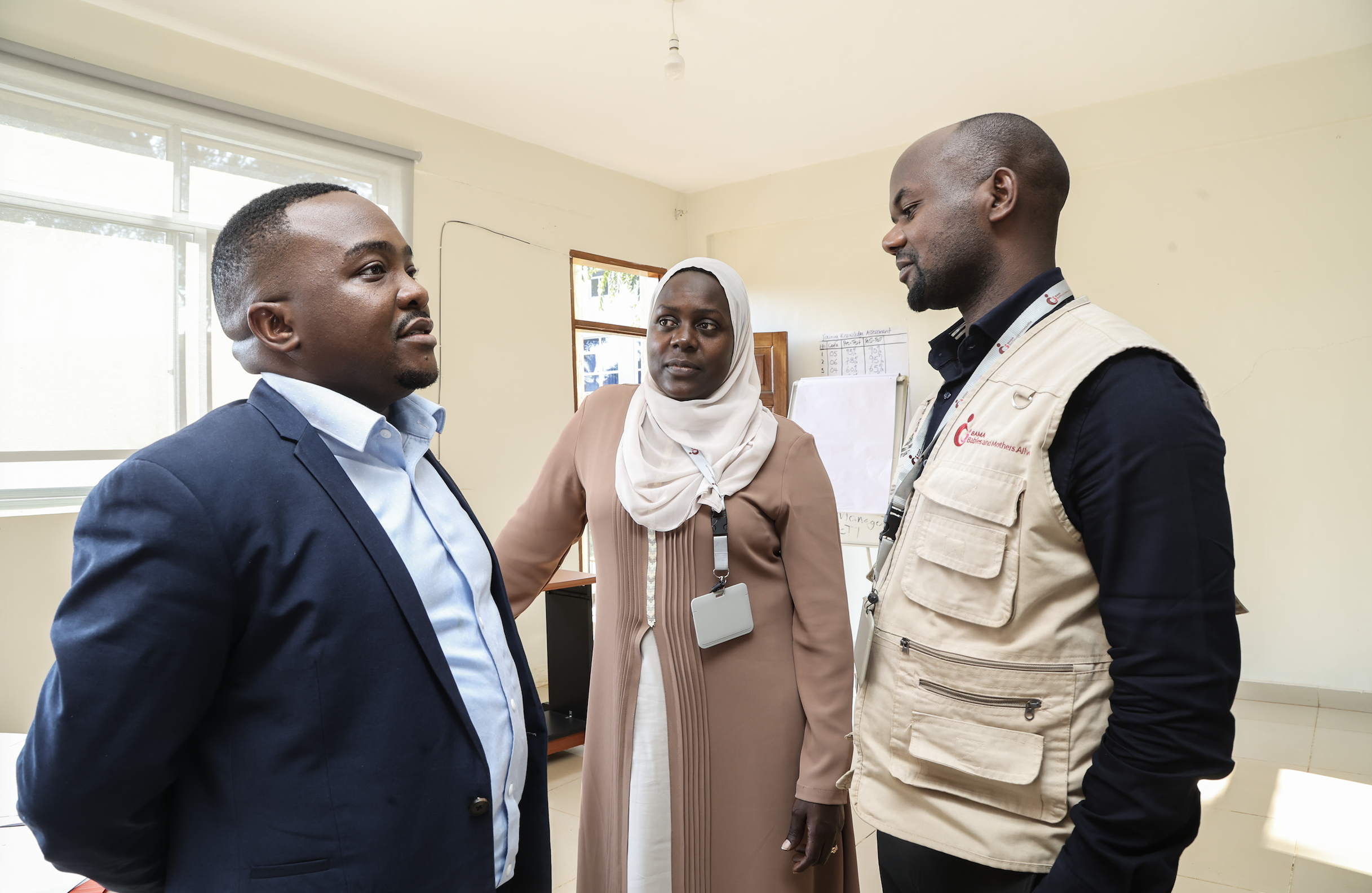
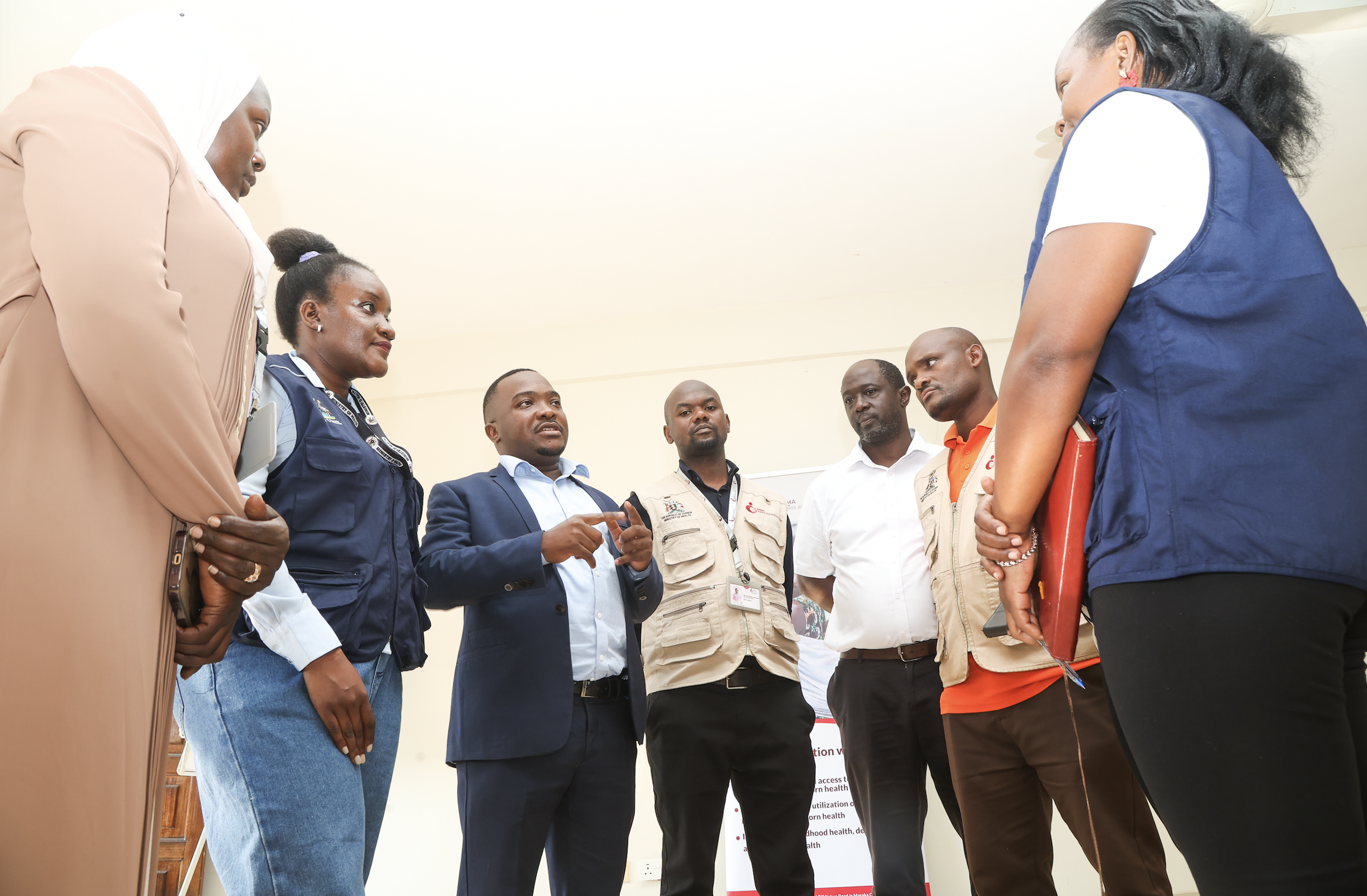
That was the concern at the center of a stakeholder co-creation meeting in Greater Masaka on 18 August, where 50 clinicians, community health workers, district officials and implementing partners came together to examine what happens when a vulnerable newborn crosses the hospital gate.
The meeting, convened by Babies and Mothers Alive (BAMA) in partnership with the Ministry of Health, district local governments, health facilities and Adara, focused on strengthening Uganda’s Hospital-to-Home (H2H) model for small, sick, preterm, low-birthweight and other high-risk newborns. Hospital to Home is a powerful newborn follow-up program developed by Adara Development, an international NGO with 28 years of experience in improving maternal and newborn health in Uganda. Since 2023, BAMA has partnered with Adara to help scale their innovative program and integrate it into the government health system.
The model is built around a simple idea that care should not end when a baby is discharged. “Survival must not end at the facility gate. What happens after discharge? Do we want to lose the mother or the baby after all the effort we have invested in the facility? Of course not,” said Dr. Migadde Deogratias, Senior Medical Officer in the Ministry of Health’s Reproductive and Child Health Department and a member of the National Newborn Technical Working Group.
This message ran through the meeting. Hospitals may provide intensive care, Kangaroo Mother Care, treatment for infection, feeding support and other lifesaving interventions. But once the mother and baby return home, the health system is no longer physically beside them. Community health workers become the link between the household and the health facility.
For Dr. Migadde, that link is essential to protecting hard-won gains. “We have made important gains in facility-based newborn care, but these gains are recent, hard-won and fragile,” he said. “We need to protect them beyond discharge and carry them into the home.”
The journey does not end at discharge. Sandra Najjuko, H2H Coordinator at BAMA, has seen first-hand what that continuity can mean. Under the model, babies discharged from neonatal care are followed at home through planned visits, with community health workers monitoring weight and temperature, checking for danger signs, supporting caregivers and linking families back to health facilities when problems arise.
But the program is about more than checking whether a baby is still alive. “It is one continuum of care,” Najjuko said. “Caring for a newborn is not just about what happens in the hospital. We need to ensure that the care continues at home.”
The H2H experience in Greater Masaka has shown both the promise of that approach and the gaps that still need to be addressed.
According to Najjuko, between June 2025 to June 2026, 688 babies have been enrolled, 422 followed up and 168 graduated from the program, with 912 home visits reaching 964 household members. The program has also oriented community health workers and worked with health facilities across the Greater Masaka region.
Despite this growing enrolment, successful follow-up has been a challenge. In some areas, communication between facilities and community health workers breaks down. Health workers face heavy workloads, documentation can be incomplete, and some mothers relocate after discharge without leaving clear contact information.
“The reason why we are here is to see that we have a clear discharge process and clear supervision,” Najjuko told participants. “We need clear roles and clear lines of responsibility from the district to the community.”
The people behind the numbers
For Namuddu Cissy, a midwife in charge of the neonatal unit at Butenga Health Centre IV, the H2H approach begins before a baby ever leaves the neonatal unit. Her facility admits an average of 71 babies a month, she said, and one of the lessons they have learned is to start preparing for discharge from the first day of admission.
“We do not wait until the day the baby is ready to go home to begin preparing the mother,” Namuddu said. “From the first day, we start providing health education on how to care for the baby at home.”
The approach has also strengthened teamwork between the NICU, community midwives, VHTs and district health teams. “We also follow up to make sure the babies are actually being visited,” she said. “We call the mothers and ask whether the VHT has visited them.”
But Namuddu said there are still challenges, including mothers relocating without informing health workers, gaps in VHT follow-up and staff turnover that can leave newly assigned health workers unfamiliar with the program.
For Mbabazi Nivius, a Community Health Extension Worker in Kyotera District, the H2H model becomes most tangible after a mother and baby leave the hospital.
“When our mothers and babies are discharged from the hospital, we follow them up in their homes,” Mbabazi said. “During our visits, we monitor the baby’s weight, check the temperature, assess for danger signs, and provide the mother with the necessary health education.”
The community health worker also plays an important role in identifying problems early and linking families back to the health system. When a baby shows danger signs or needs further assessment, CHEWs coordinate with health workers at the facility to facilitate referral and care.
But Mbabazi said community follow-up is not only about clinical checks. It is also about addressing misconceptions and helping families understand how to care for vulnerable newborns.
“We are not only checking whether the baby is alive; we are helping the mother and family build the confidence and skills they need to care for the baby at home,” she said.
According to Margret Seela, the H2H Technical manager at Adara Development, the organisation that developed the H2H model and leads its implementation at Kiwoko and Nakaseke hospitals, these challenges underline a central issue that community health workers need to be supported to do the work expected of them.
“We are giving them responsibility for following up vulnerable newborns, yet many of them were not originally trained as health workers,” Seela said.
That means equipping them with the right skills, tools and supervision. “If a VHT is expected to take a baby's temperature, we need to ask: Is the thermometer functional?” she said. “We need to ensure that the home visit provides benefit and does not unintentionally create harm.”
At Adara, follow-up is organized according to risk. Higher-risk babies receive more intensive follow-up, while lower-risk babies receive a lighter schedule. The approach, Seela said, demonstrates that the model can work, but that scaling it requires practical investment in the people delivering it.
“The programme is feasible, acceptable and doable,” she said. “But the three things we need to keep emphasizing as we move forward are: skills, equipment and time.”
A model that should belong to the health system
For BAMA, the next chapter is not about protecting H2H as a standalone project. It is about helping embed the model within existing government systems.
Dr. Mariam Luyiga, Director of RMNCAH at BAMA, said the meeting was deliberately designed to move the conversation beyond a single organization. “We want to see that this does not remain a BAMA program,” she said. “We want to see the H2H approach integrated into newborn care across Greater Masaka.”
The ambition is for Greater Masaka to become a learning hub, a place where lessons from implementation can be refined and eventually shared nationally.
“My vision is that Greater Masaka becomes a learning hub, a place that demonstrates how we can transform the H2H experience from an externally supported program into a sustainable, government-led model,” Dr. Luyiga said.
The Ministry of Health sees the same opportunity. Dr Babirye Ruth Grace Kakoba, Technical Advisor for Maternal and Newborn Health at the Ministry of Health, said the immediate task is to make the model easier to implement through existing systems rather than adding another layer of work.
“We need to review and standardize the newborn follow-up program and align it with existing Ministry of Health tools, including integrated community case management (iCCM) and the postnatal follow-up tools used by community health workers,” she said.
“That will also help reduce the workload by avoiding duplication and parallel systems.”
The meeting identified several areas for refinement such as common enrolment criteria, a clearer discharge-readiness process, risk-based follow-up schedules, simpler danger-sign tools, stronger referral pathways, better supervision and harmonized reporting and data systems.
The proposed national direction is also built around existing community structures, particularly VHTs and Community Health Extension Workers.
For Dr. Ojambo Gerald, Pediatrician and Neonatologist at Masaka Regional Referral Hospital, the technical discussion ultimately comes down to something deeply human.
He asked participants to imagine being the parent of a sick or premature baby without the resources, connections or knowledge that health professionals may have.
“Imagine that you are the parent of a sick or premature baby,” he said. “You are simply depending on someone else to help your baby survive. Now imagine that the person responsible for that care is not doing their best. How would you feel as a parent?”
His answer was a challenge to everyone in the room. “We cannot let these families down. We cannot let these babies down. They are depending on us, each of us in our different capacities.”
Dr Ojambo said Uganda had invested heavily in helping newborns survive, but the next task is ensuring that survival is sustained after discharge. “The next question is: What are we doing to ensure that they continue to survive and thrive after they go home?” he said.
That distinction, between surviving and thriving, was central to the meeting. The redesigned model is expected to give greater attention not only to immediate survival but also to feeding, growth, development, caregiver confidence, immunization and timely referral.
The road ahead
The stakeholders agreed on the areas that require further work and validation. The discussions will feed into the redesign of the H2H pathway, including who should be enrolled, when a baby is ready for discharge, how follow-up intensity should be determined, what community health workers should do during home visits, when referral should occur and how information should move between facilities and communities.
For Dr. Babirye, the work now shifts from discussion to implementation. “These are simply the key components we felt we could capture at this stage,” she said. “The secretariat and the teams of rapporteurs have the detailed notes and will build on these points as we move forward.”
For the people working closest to families, however, the urgency is already clear.
At Butenga, at Kiwoko, in Greater Masaka’s communities and in the Ministry of Health offices shaping national policy, the same lesson is emerging that a newborn’s discharge from hospital is not the end of care, but a transition.
As Dr. Luyiga put it, “We cannot wait.” The challenge now is to turn that urgency into a system that follows every vulnerable newborn from the neonatal unit, through discharge and into the home, without losing sight of the family, the community or the baby’s right not merely to survive, but to thrive.
