BAMA and Adara Discuss Next Phase of Partnership to Strengthen Newborn Follow-up Care
Babies and Mothers Alive (BAMA) and Adara Development (Adara) are exploring the next phase of their partnership to strengthen follow-up care for small, sick, preterm, low-birthweight and other high-risk newborns in Uganda, building on their work through the Hospital-to-Home (H2H) program.
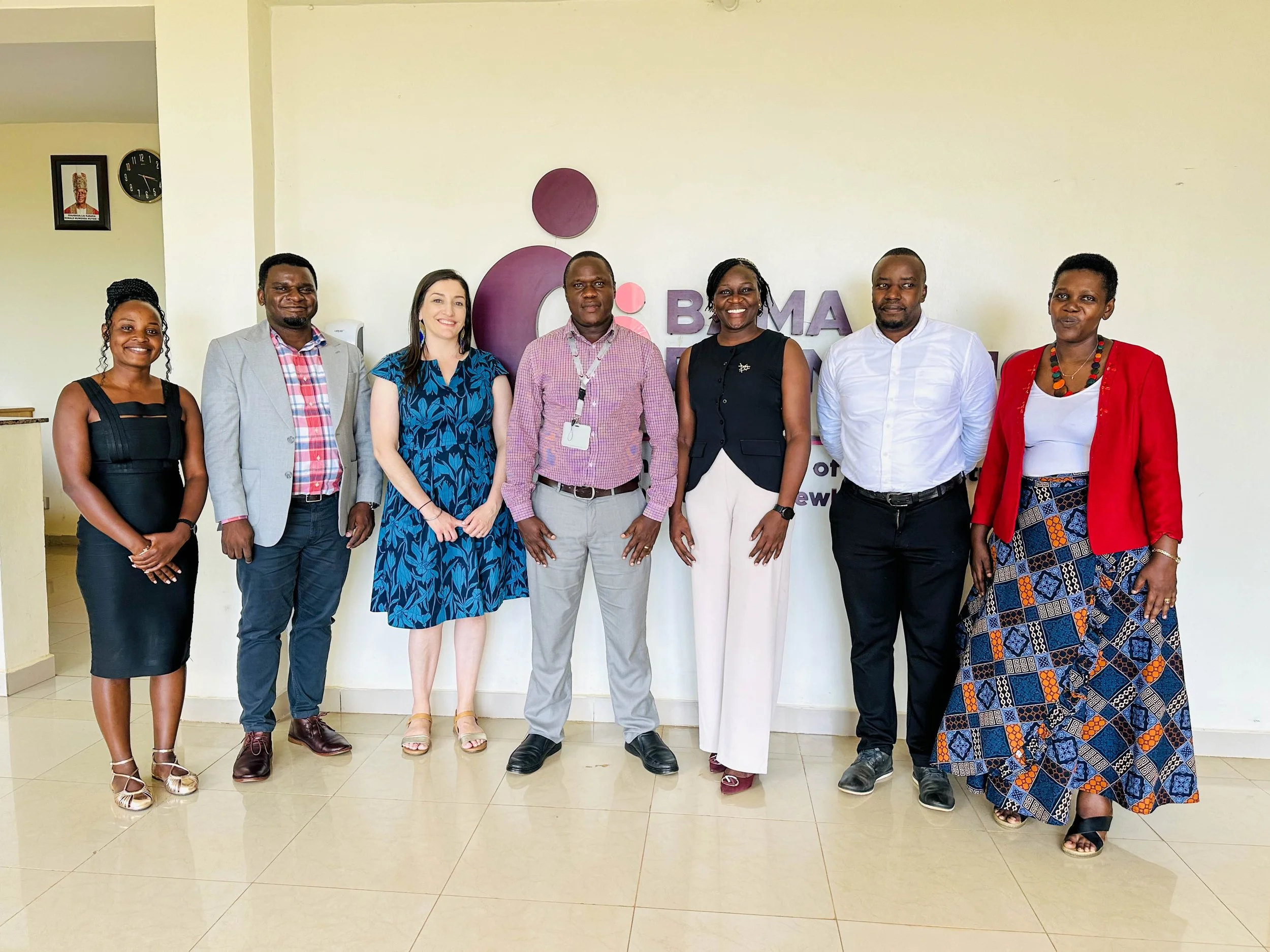
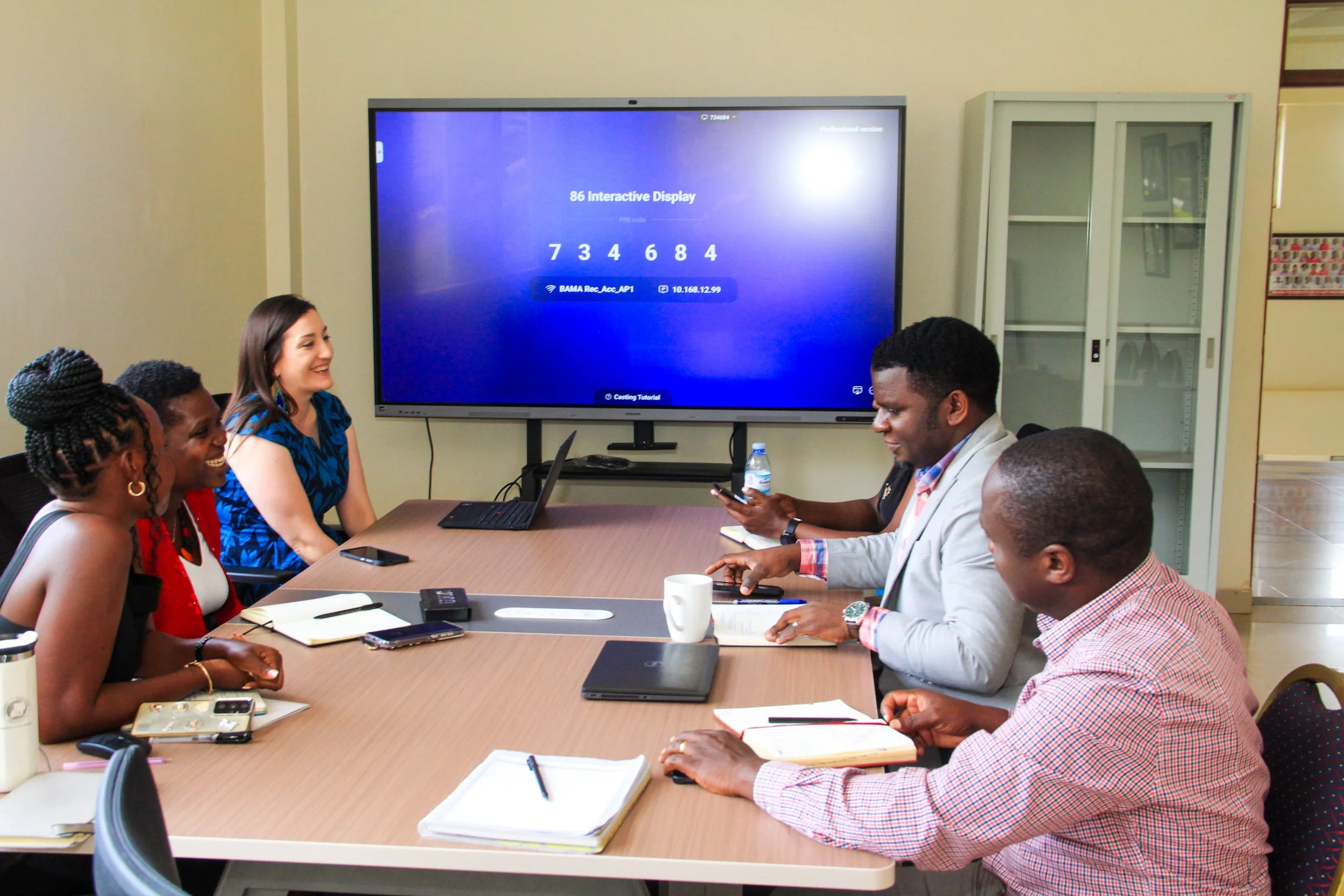
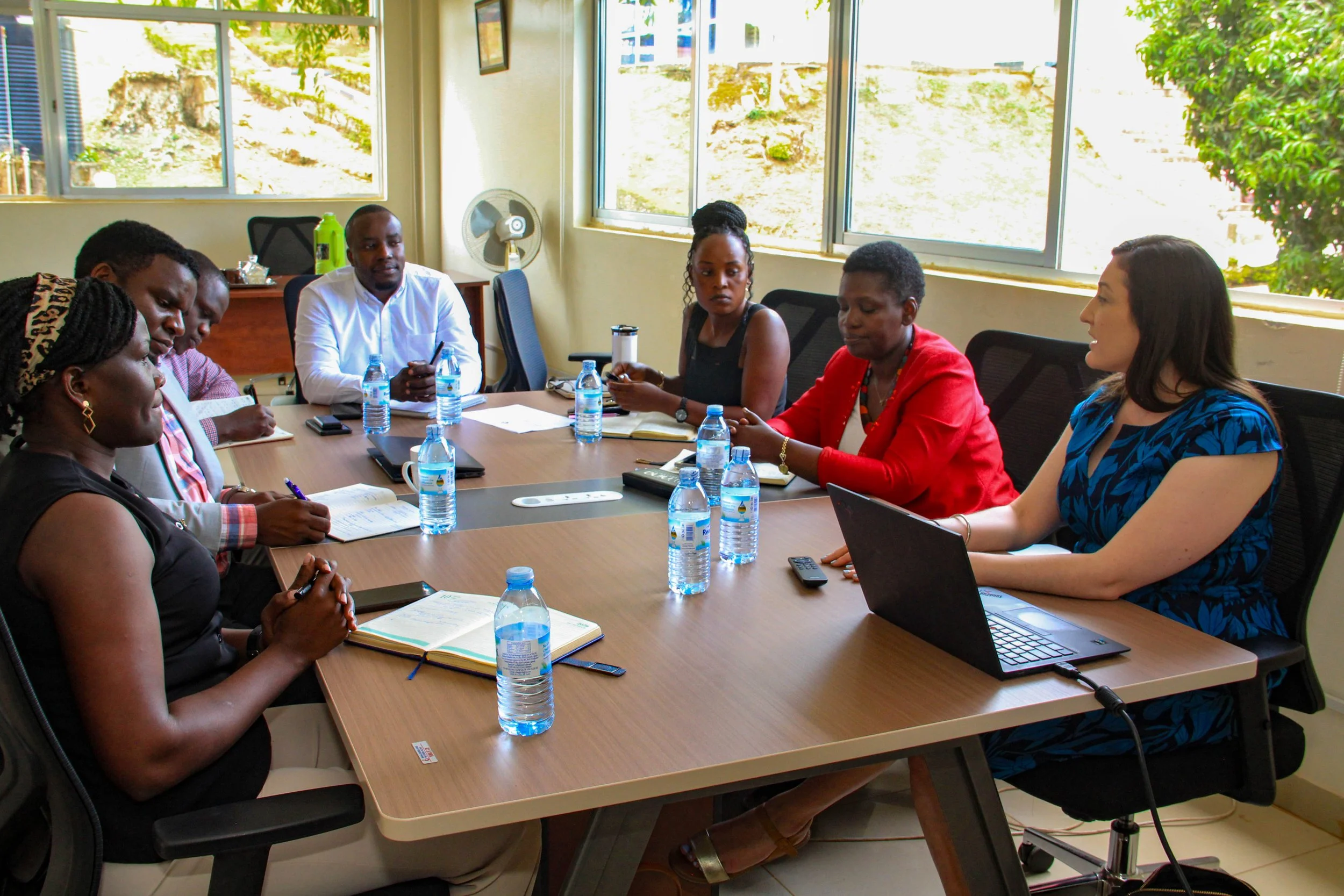
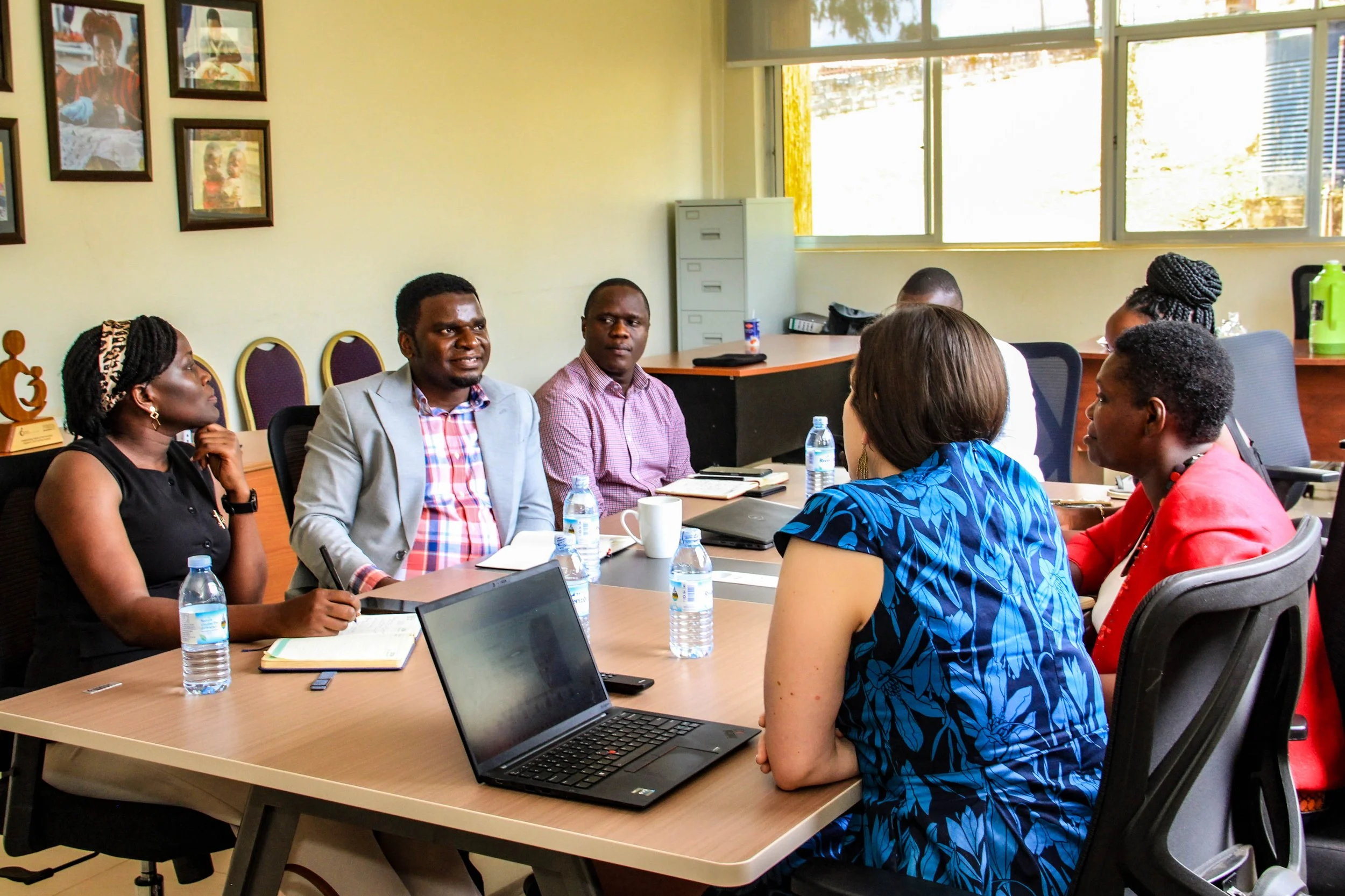
The discussions took place during a visit by Madeline Vaughan, Adara’s Chief Executive Officer, Dr Susan Tino, Director of MNCH, and Beatrice Niyonshaba, Deputy Director of MNCH to BAMA's head offices in in September.
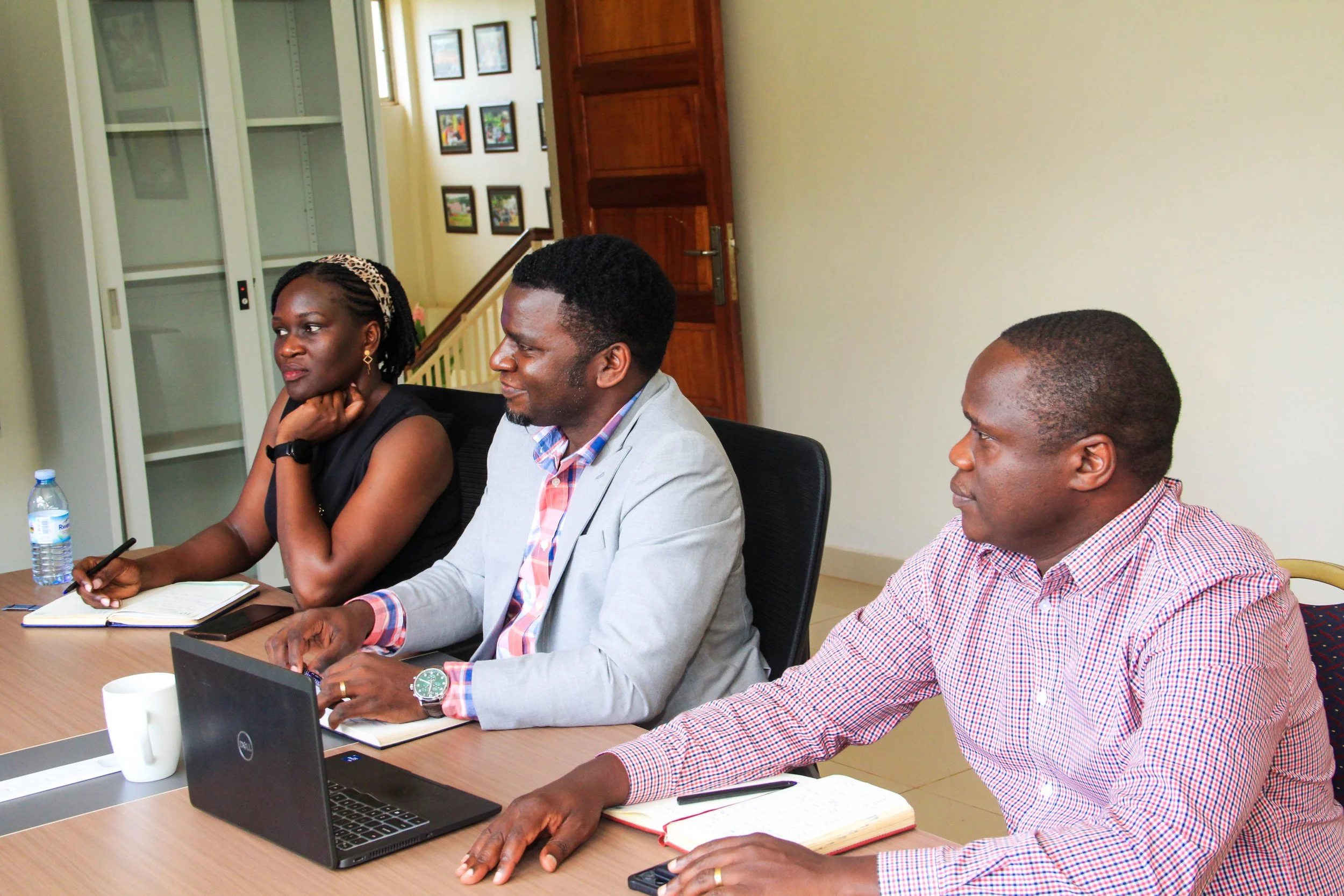
The BAMA team was represented by Dr. Martin Kasendwa, Technical Director and Head of Strategy and Partnerships; Mr. Nathan Lubowa, Head of Monitoring, Evaluation, Accountability and Learning; Mr. Derrick Kizza, Director of Finance and Administration; and Ms. Sandra Najjuko, H2H Coordinator.
BAMA and Adara have partnered since 2023 on H2H, working with the Ministry of Health, participating health facilities and other stakeholders to strengthen care and follow-up for high-risk newborns after discharge from health facilities.
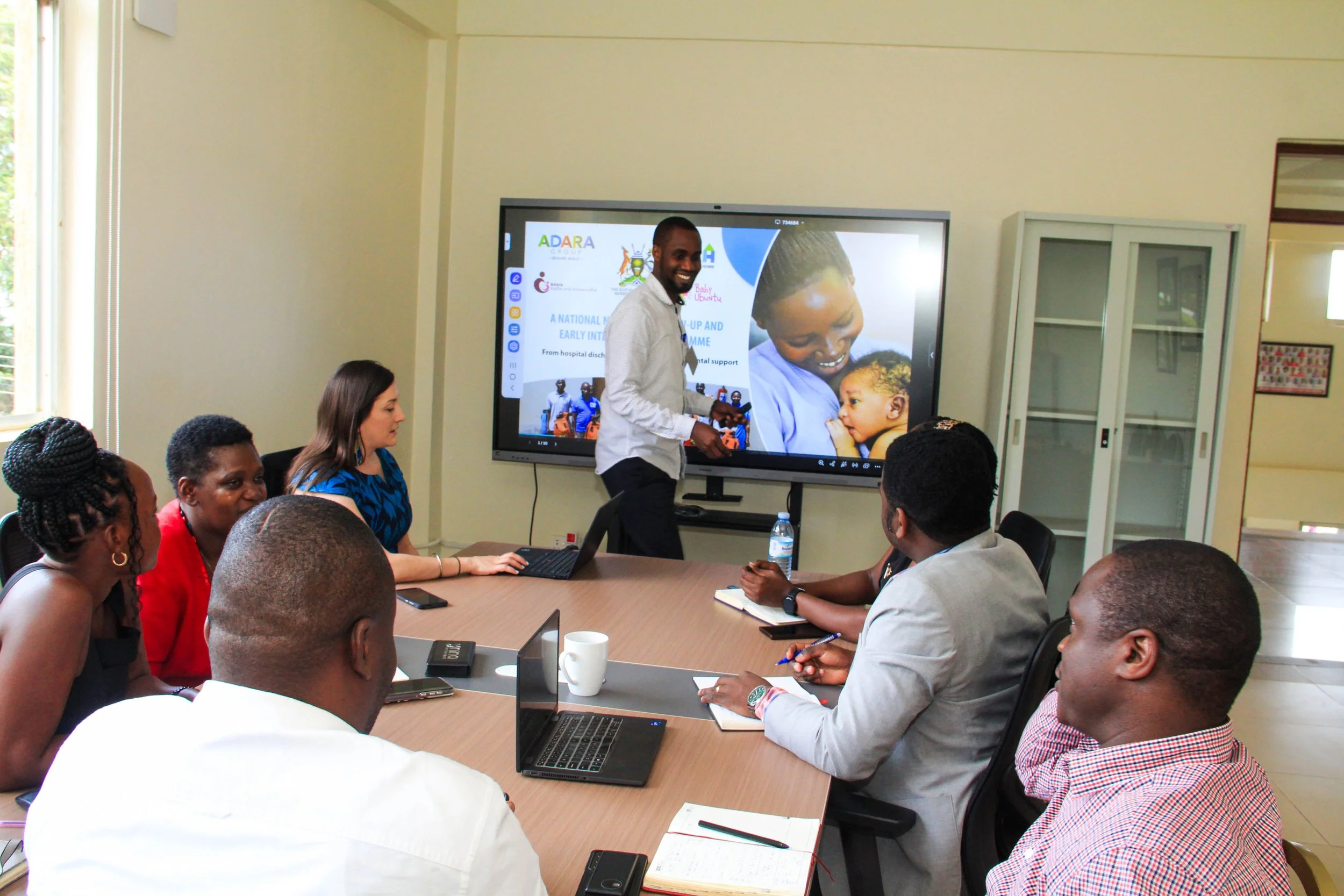
Developed by Adara, H2H provides a structured approach for supporting vulnerable newborns and their families as they transition from hospital care to home. Through their partnership, BAMA and Adara have worked to adapt the approach to Uganda's context, expand its implementation and support its integration within the government health system.
“Through Hospital-to-Home, we have seen how important it is that care for a small or sick newborn does not stop when the family leaves the health facility. These babies remain vulnerable after discharge, and families need the right support and follow-up as they transition home. Our experience implementing Hospital-to-Home in North Central Uganda, together with our partnership with BAMA, has helped us learn what it takes to make that continuity of care work in the Ugandan context. As we look ahead, there is an exciting opportunity to build on those lessons and work with the Ministry of Health to explore how this programme could be scaled, with the goal of ensuring every baby discharged from a neonatal unit receives the follow-up care and support they need to survive and thrive.,” - Madeline Vaughan, Chief Executive Officer Adara
Both teams explored how lessons from H2H could inform the development of a more comprehensive newborn care package, connecting facility-based care with continued support for mothers and newborns after discharge. The discussion also built on BAMA’s earlier Edge-to-Edge co-creation work and Adara’s experience in maternal and newborn health in Uganda.
The proposed partnership model draws on the complementary strengths of the two organizations: Adara will support development and adaptation of the technical package, training of trainers, quality assurance, mentorship, evidence generation and costing. BAMA will support the implementation, drawing on its relationships with health facilities and districts to support cascade training, supervision and operational learning.
BAMA's Technical Director Dr. Martin Kasendwa voiced his enthusiastic support for our partnership with Adara. “We greatly appreciate the opportunity to welcome Madeline Vaughan, Adara’s CEO, to BAMA for a substantive discussion about the next phase of our partnership. Our joint focus is on sustaining and scaling the continuum of care for newborns, from the health facility through the critical period after discharge. Building on our shared technical expertise and implementation experience, we will continue working with the Ministry of Health, district teams, health facilities, and communities to integrate this care into the Essential Newborn Care package and existing systems rather than create parallel structures, so that it can be owned and sustained by the Government over the long term”.
Central to the discussions was the role of the Ministry of Health in providing policy and technical leadership. The partners emphasized alignment with national standards, integration with existing facility and community systems, and an approach that can be sustained within Uganda's health system.
BAMA and Adara agreed to continue working together, alongside the Ministry of Health and other stakeholders, to strengthen H2H and shape the next phase of their collaboration around lessons from implementation and the experience of both organizations.