New Maternity Ward Expands Care for Mothers and Newborns at Kirumba
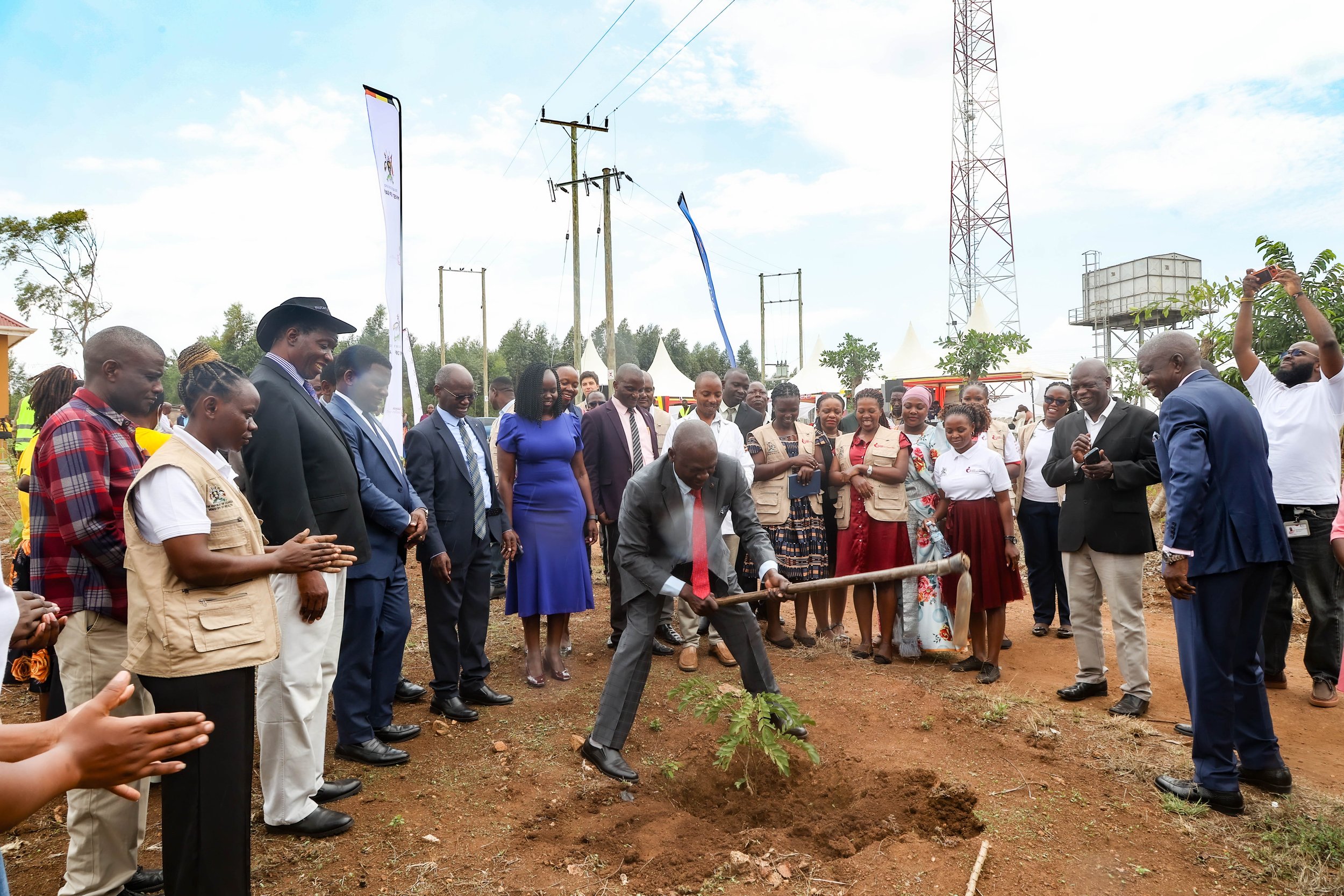
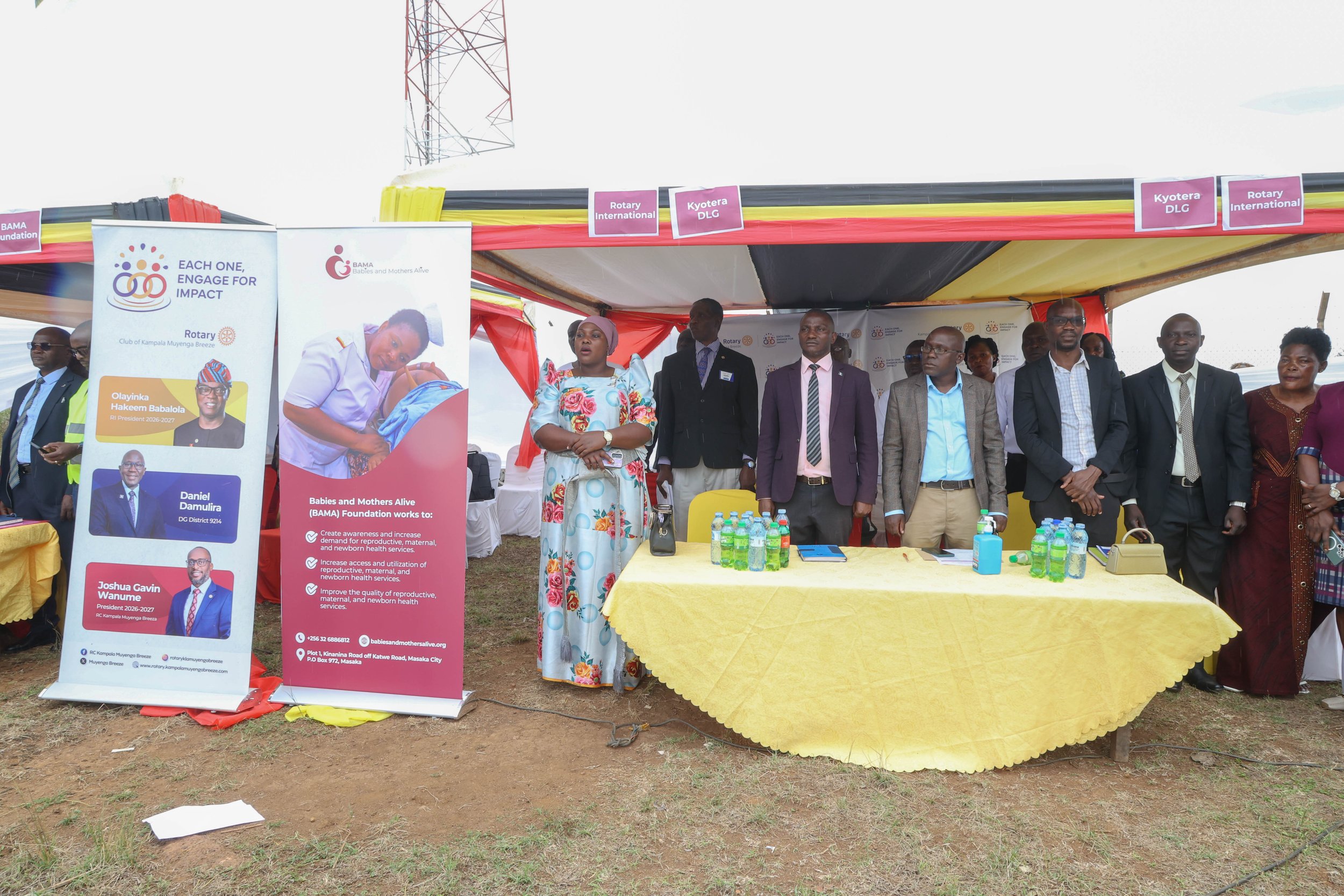
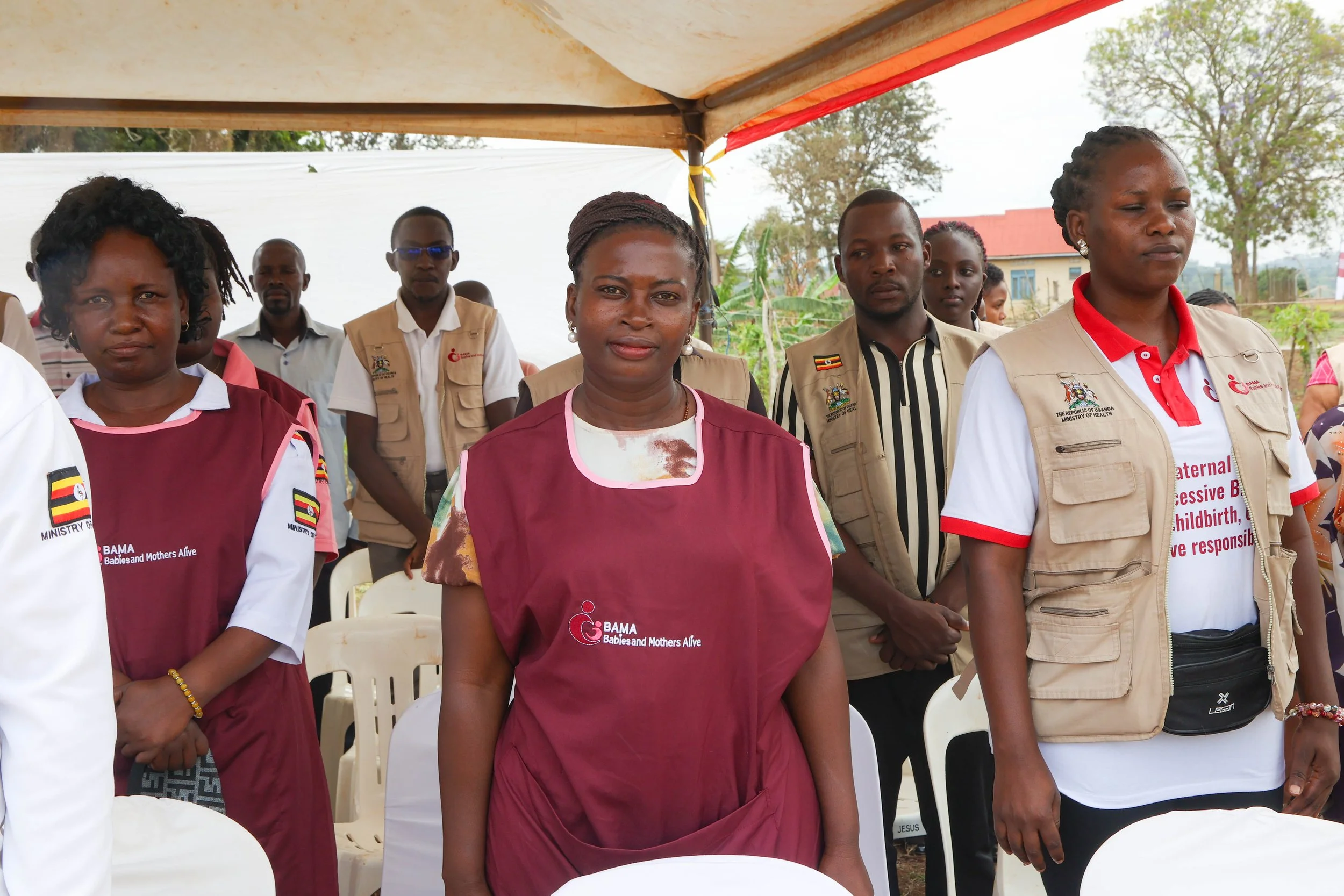
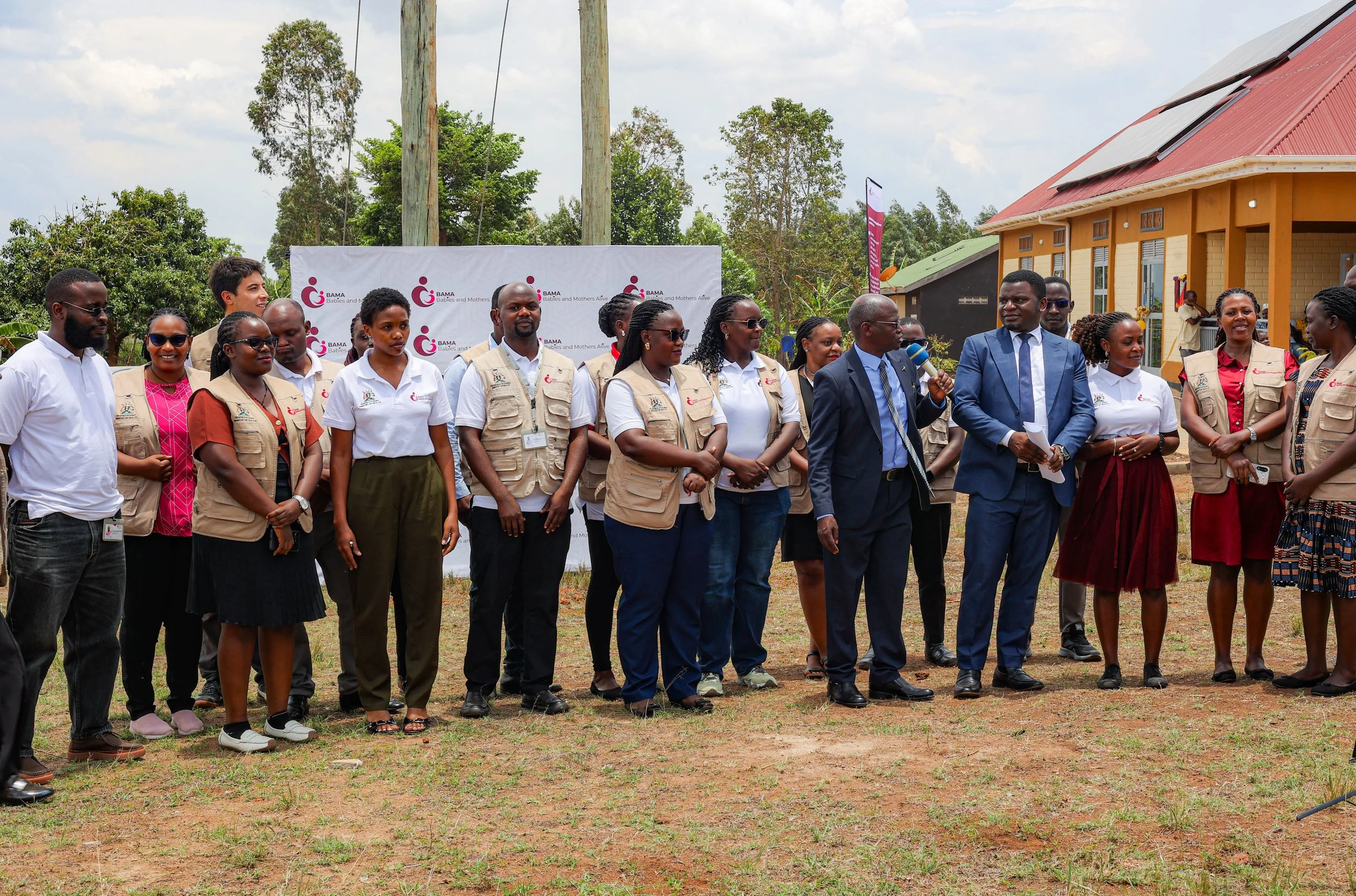
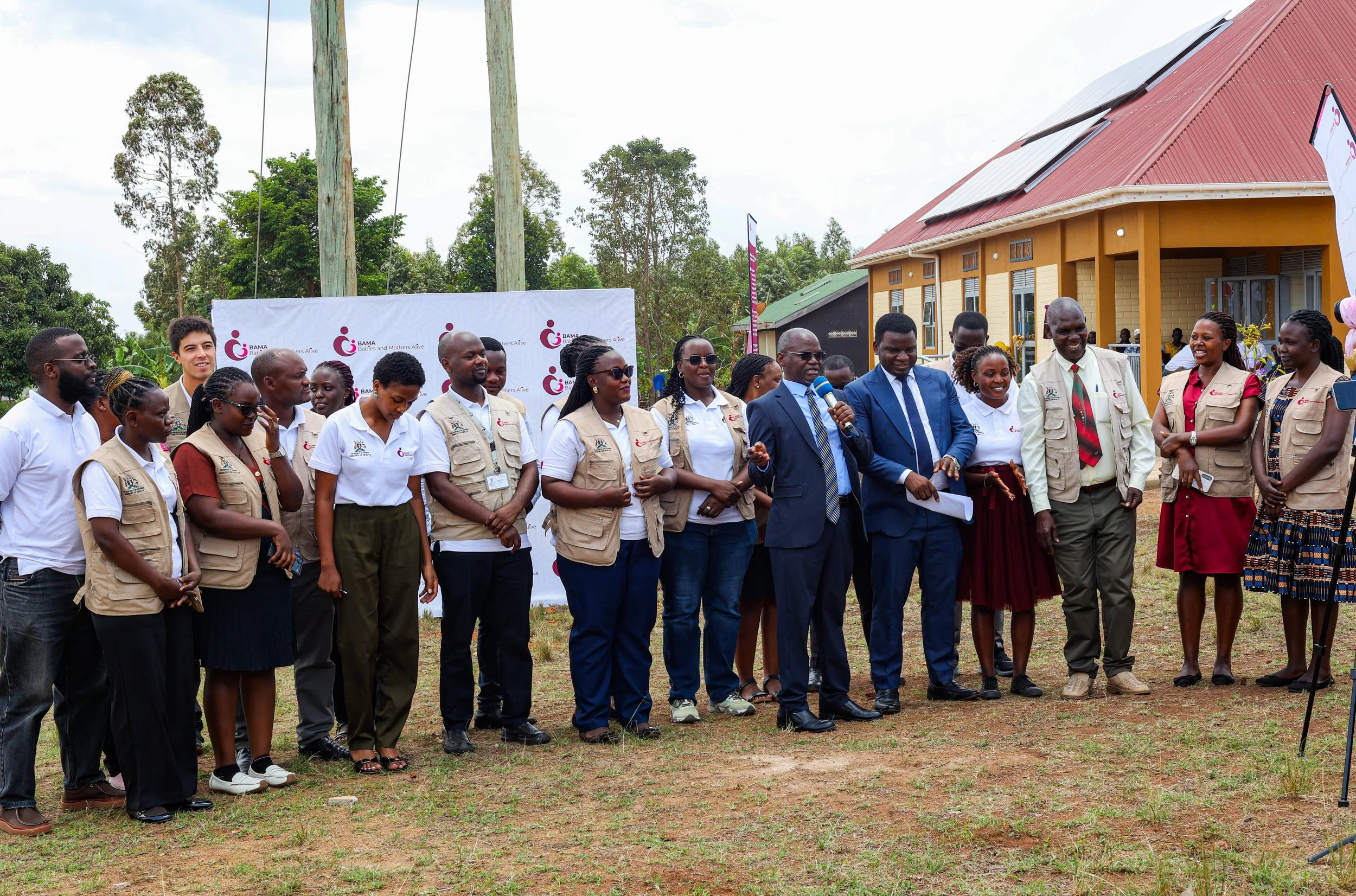
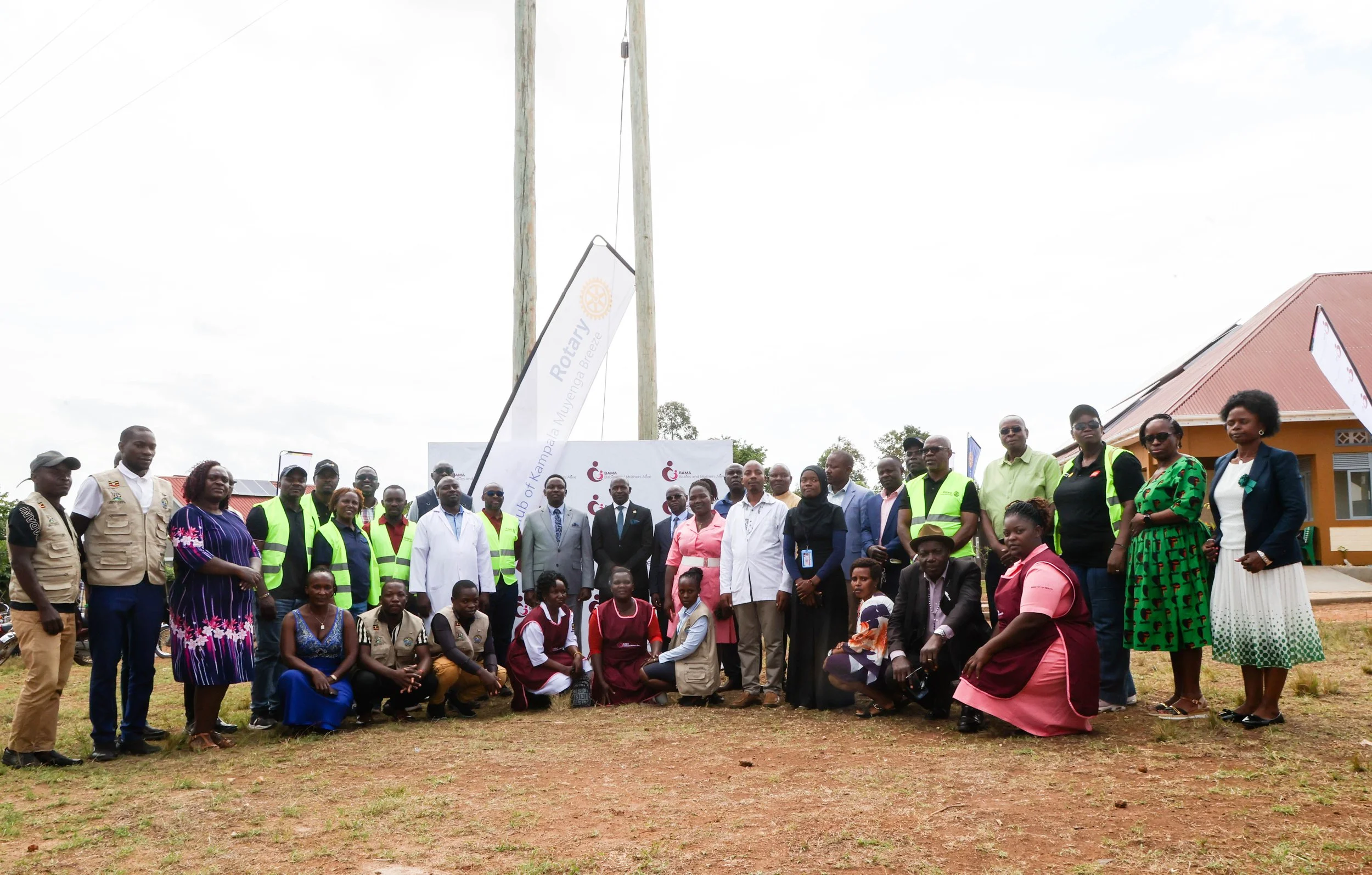
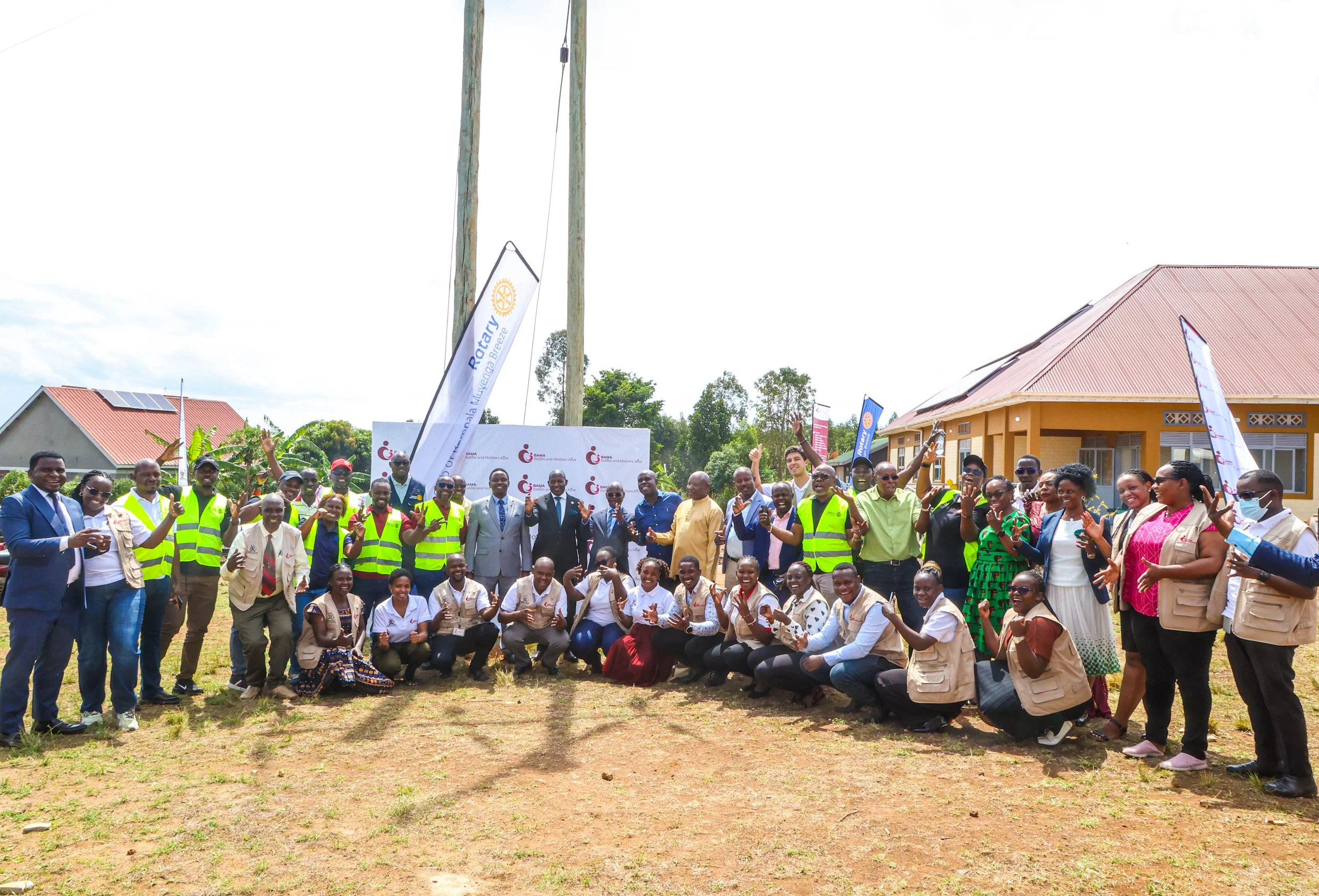
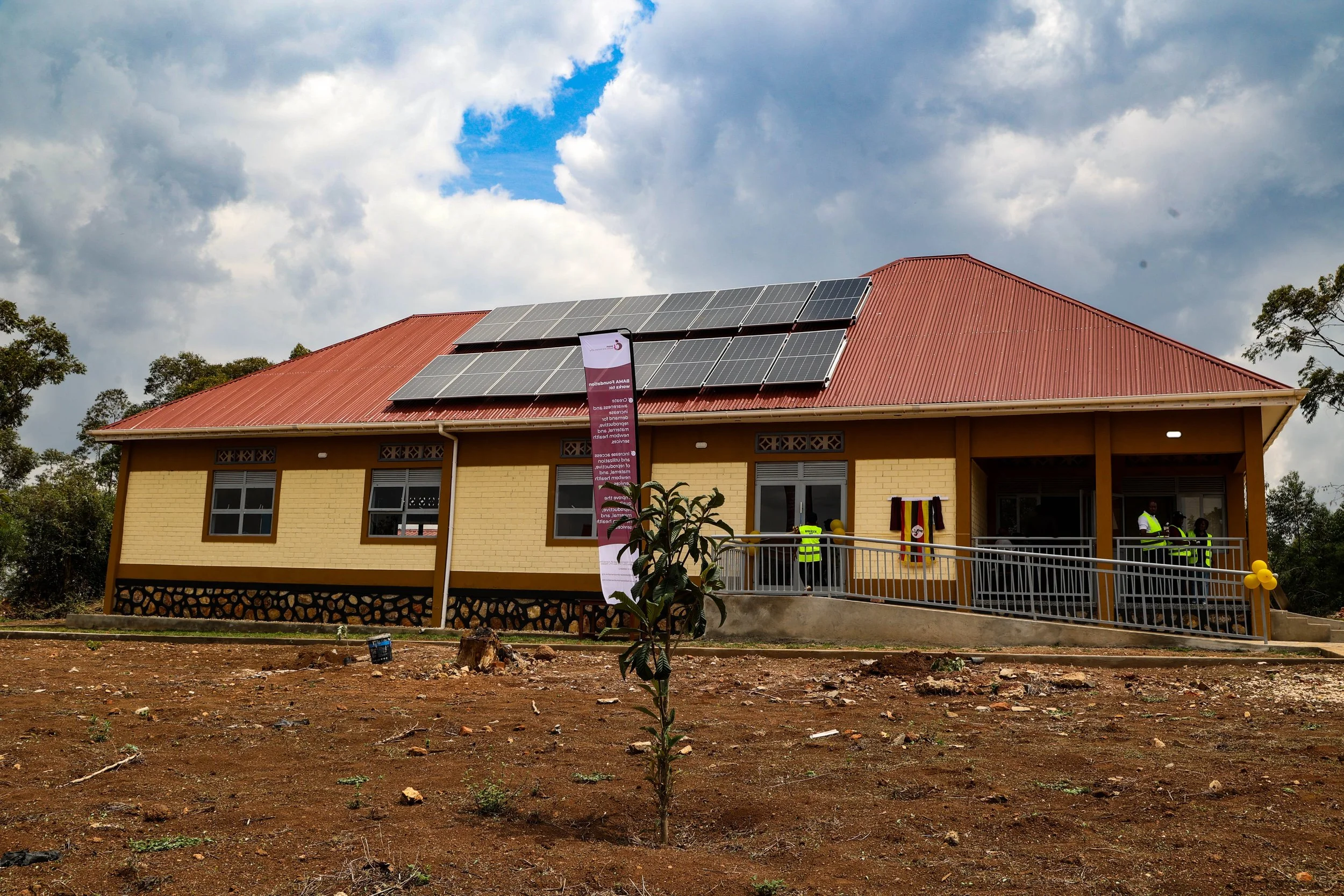
After years of providing maternity services in a cramped space, Kirumba Health Center III has a new maternity ward built through an investment led by BAMA with the Kyotera District Local Government, Kirumba Subcounty, the community and Rotary.
How it started
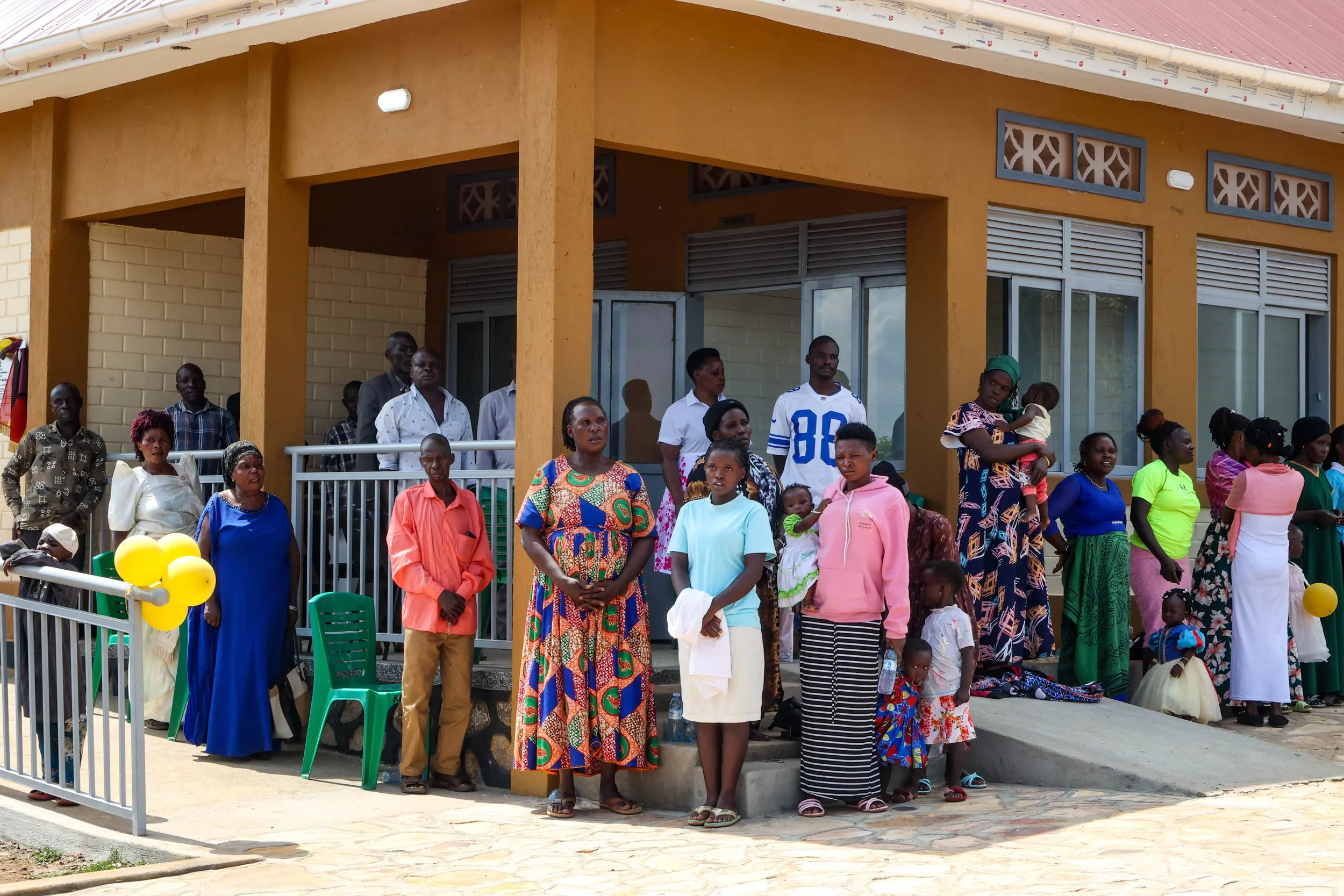
For years, women arriving at Kirumba Health Center III for antenatal care and delivery found health workers providing maternity services within a space that had become too small for the number of mothers using the facility.
Between 2020 and 2021, Kirumba recorded 553 first antenatal care visits, 622 deliveries and 678 postnatal attendances. Antenatal consultations and deliveries sometimes took place within the same limited area, affecting privacy and leaving health workers with inadequate room to organize equipment or properly separate antenatal, delivery and postnatal care. The pressure on the existing maternity space convinced the BAMA Board that Kirumba needed a new ward with enough room for health workers to provide care safely and with greater privacy and dignity for women.
“If you visited the old maternity unit, you would see that there was not enough space for mothers to sit, wait or deliver comfortably,” says Dr. William Mulindwa, BAMA's MNCH Program Officer and Kyotera Cluster Lead. “We had only one delivery bed.”
The need was closely connected to BAMA's history in the area. Founded in 2004 as Brick by Brick Uganda, the organization initially worked with schools in Rakai and Kyotera. Over the following decade, its relationships with communities and district governments deepened. In 2015, BAMA began concentrating more deliberately on maternal and newborn health, with its maternal health program operating through 48 government health facilities in the two districts.
Dr. Daniel Murokora, BAMA's Executive Director and Co-Founder, recalls how work that began around schools eventually brought the organization face to face with a more immediate health challenge. Together with his Co-Founder and fellow obstetrician, Dr. Marc Sklar, they started the organization with an understanding that stronger communities depended, in part, on the health of mothers and children.
“We started where we saw the greatest need, which was the quality of care within health facilities,” Murokora says. “At the time, many of the maternal deaths we were seeing were among women who had already reached the health facilities. So, we began by working to improve the quality of care there.”
The progress
More than 20 years after BAMA first began working in Rakai and Kyotera, the Kirumba investment reflects a concern that has shaped its maternal health work since that transition. Reaching a health facility matters, but so does the quality of care a woman receives once she gets there.
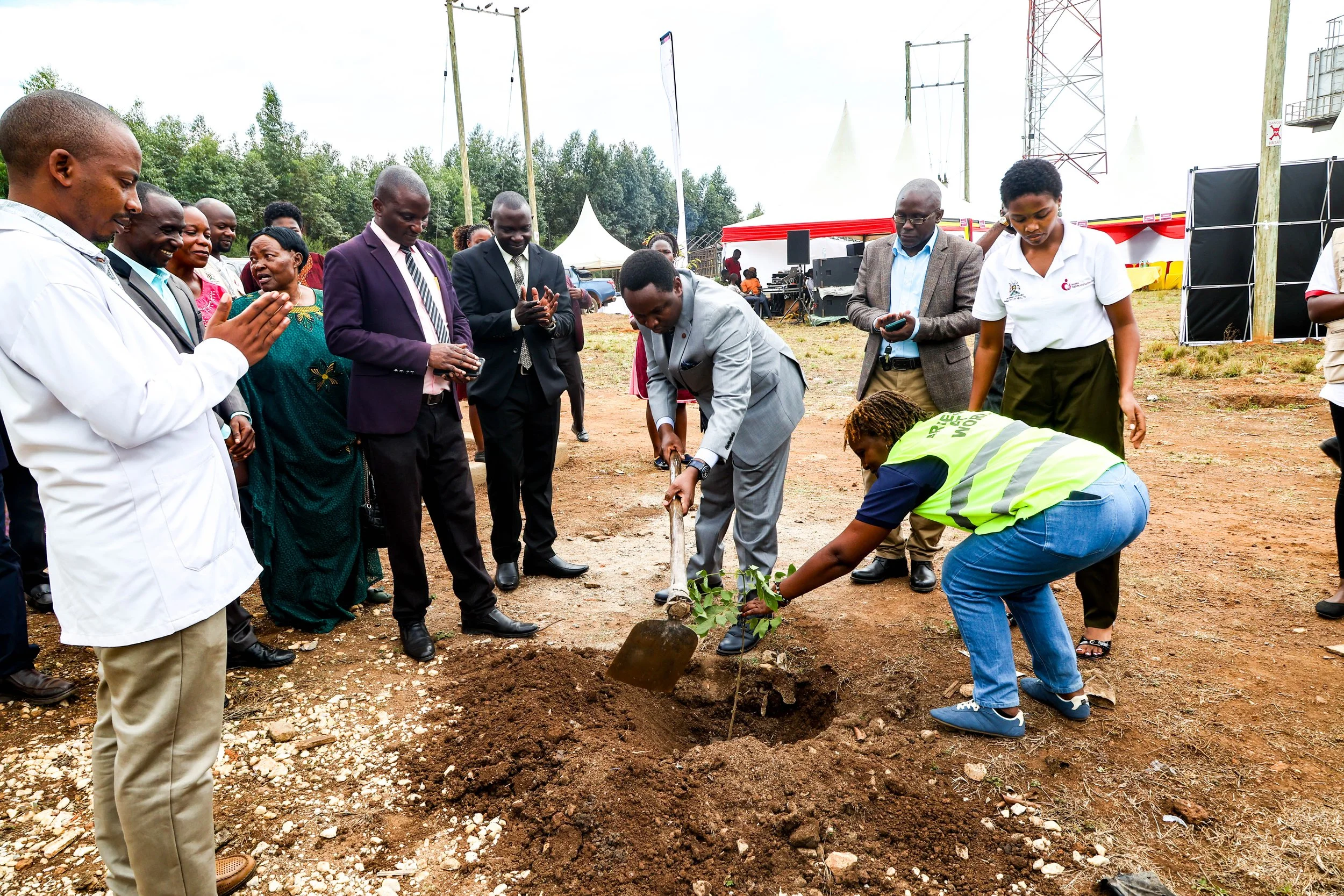
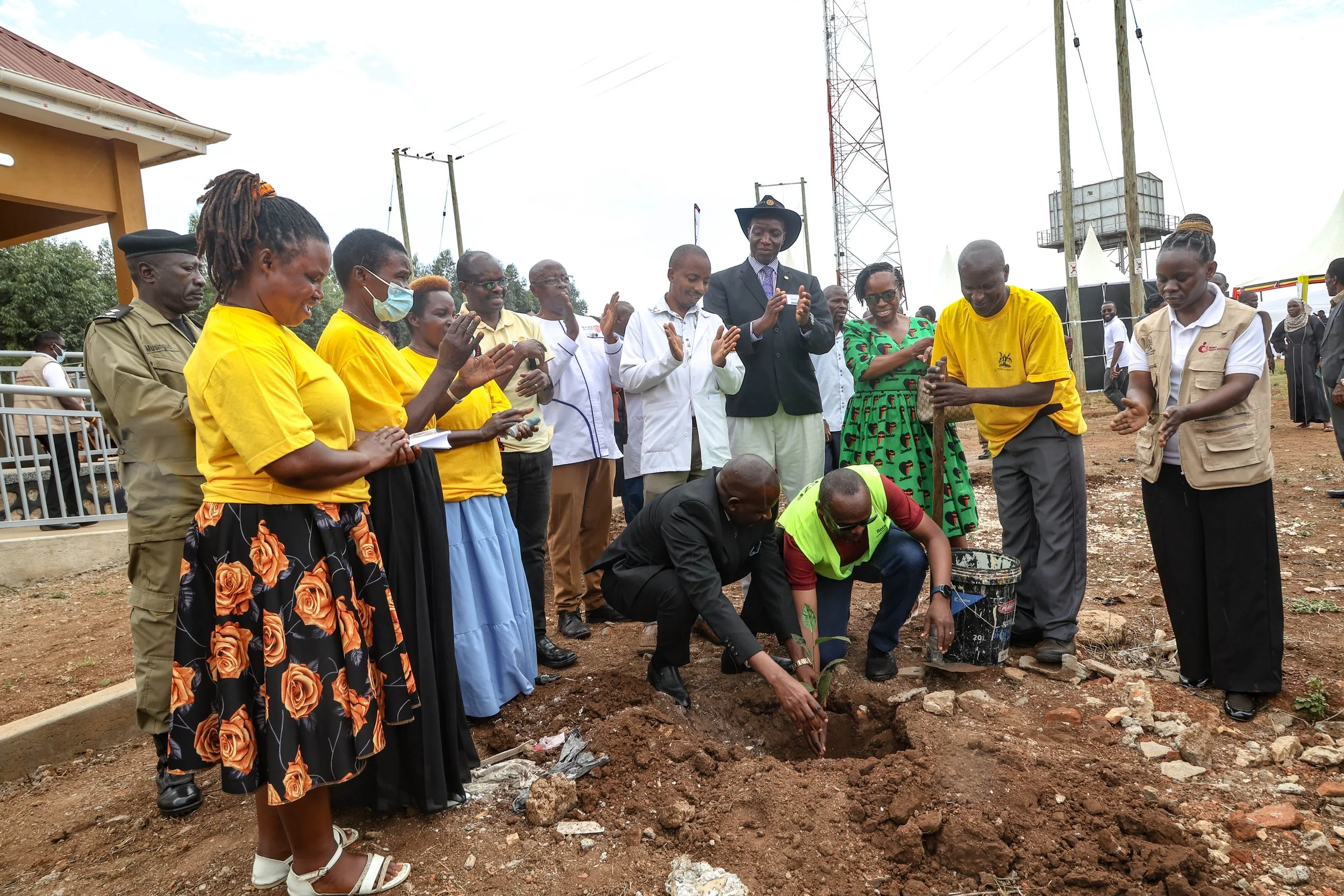
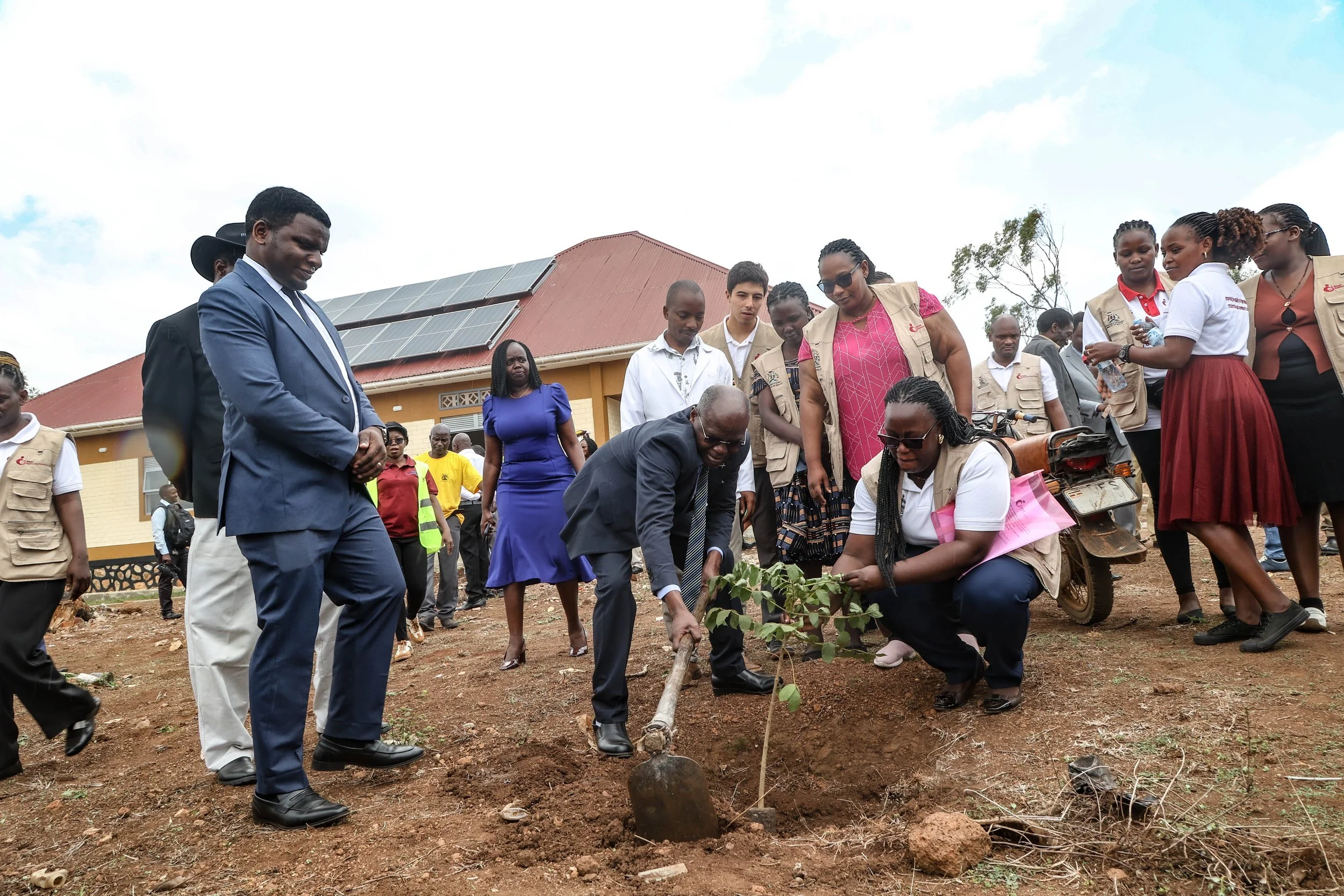
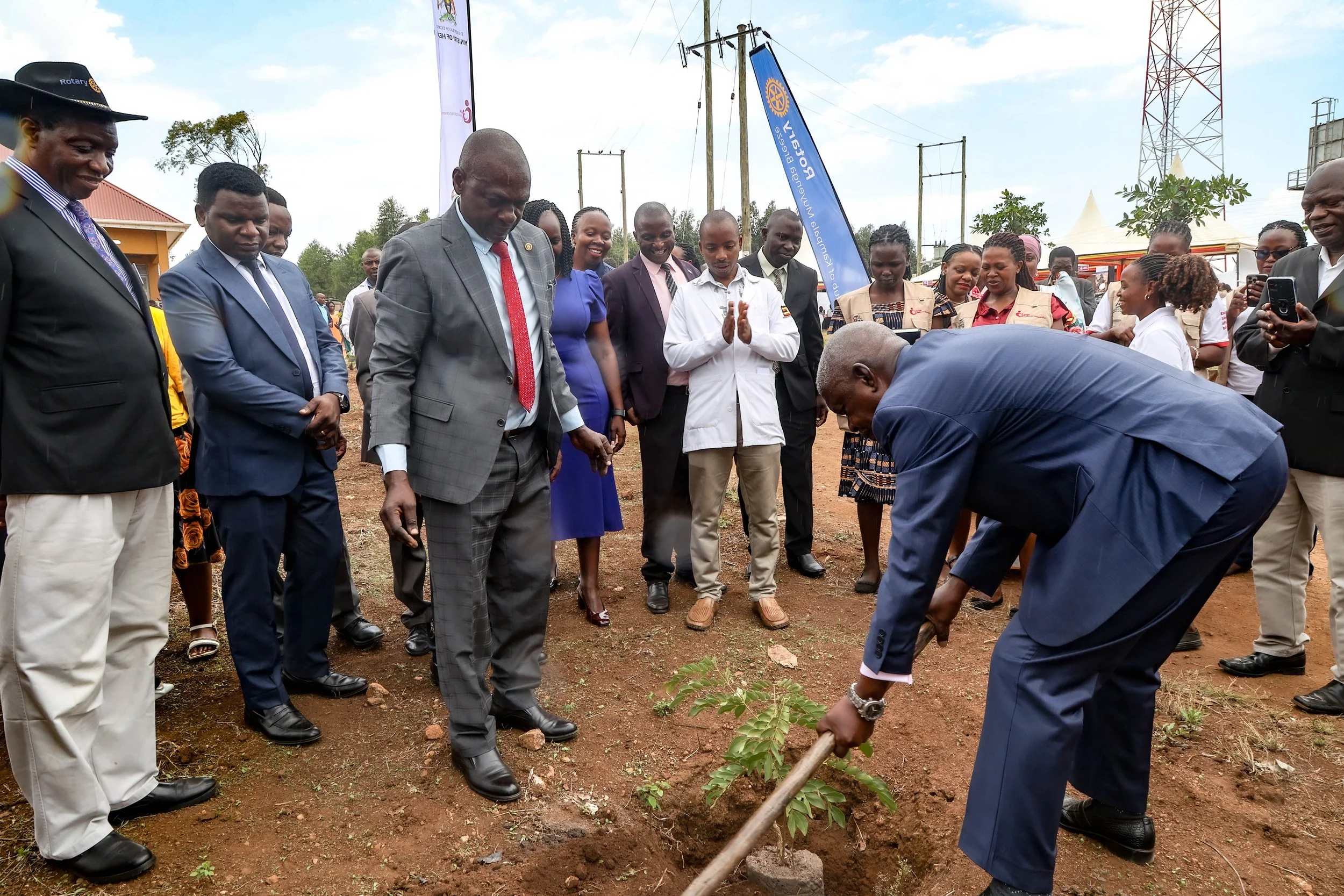
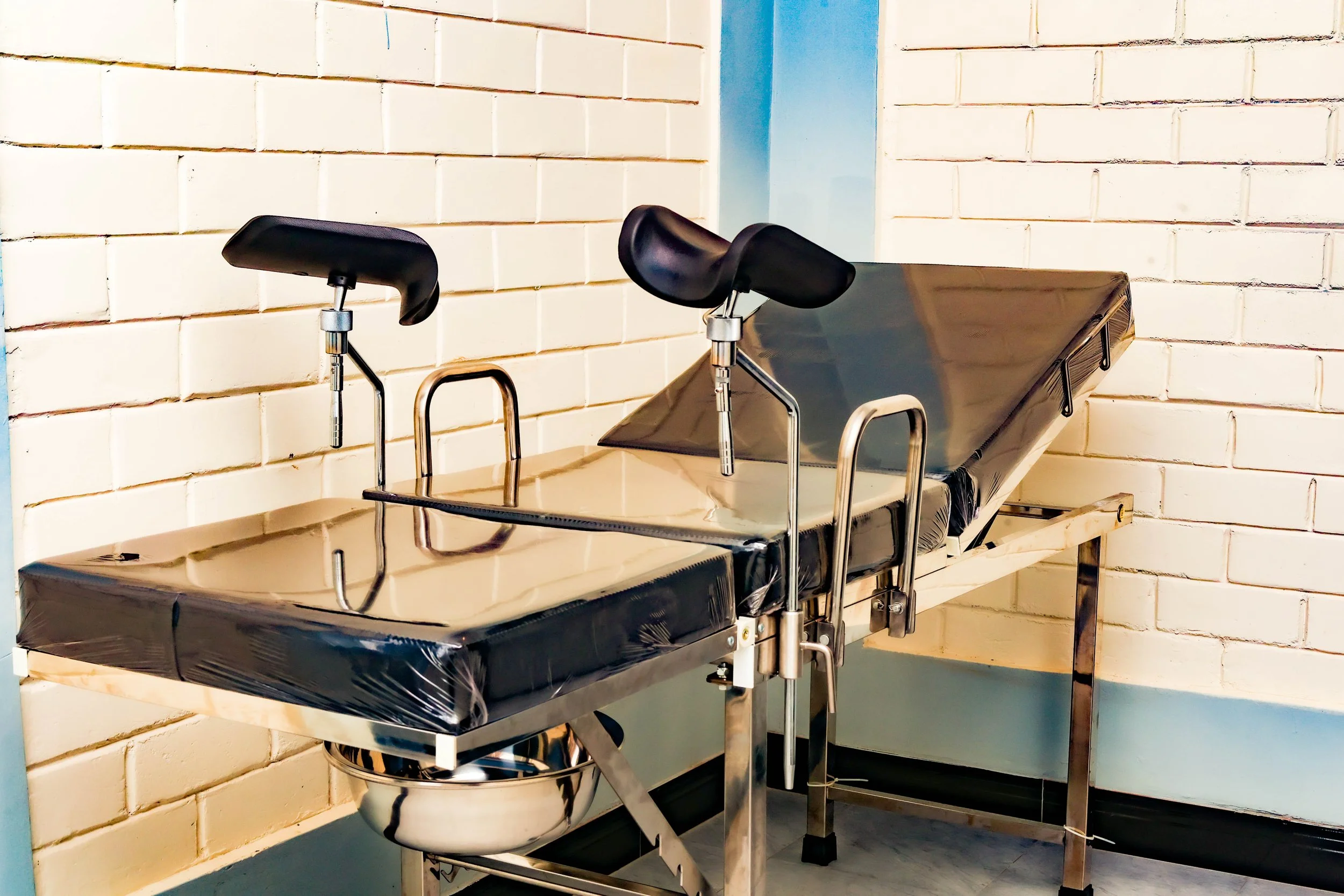
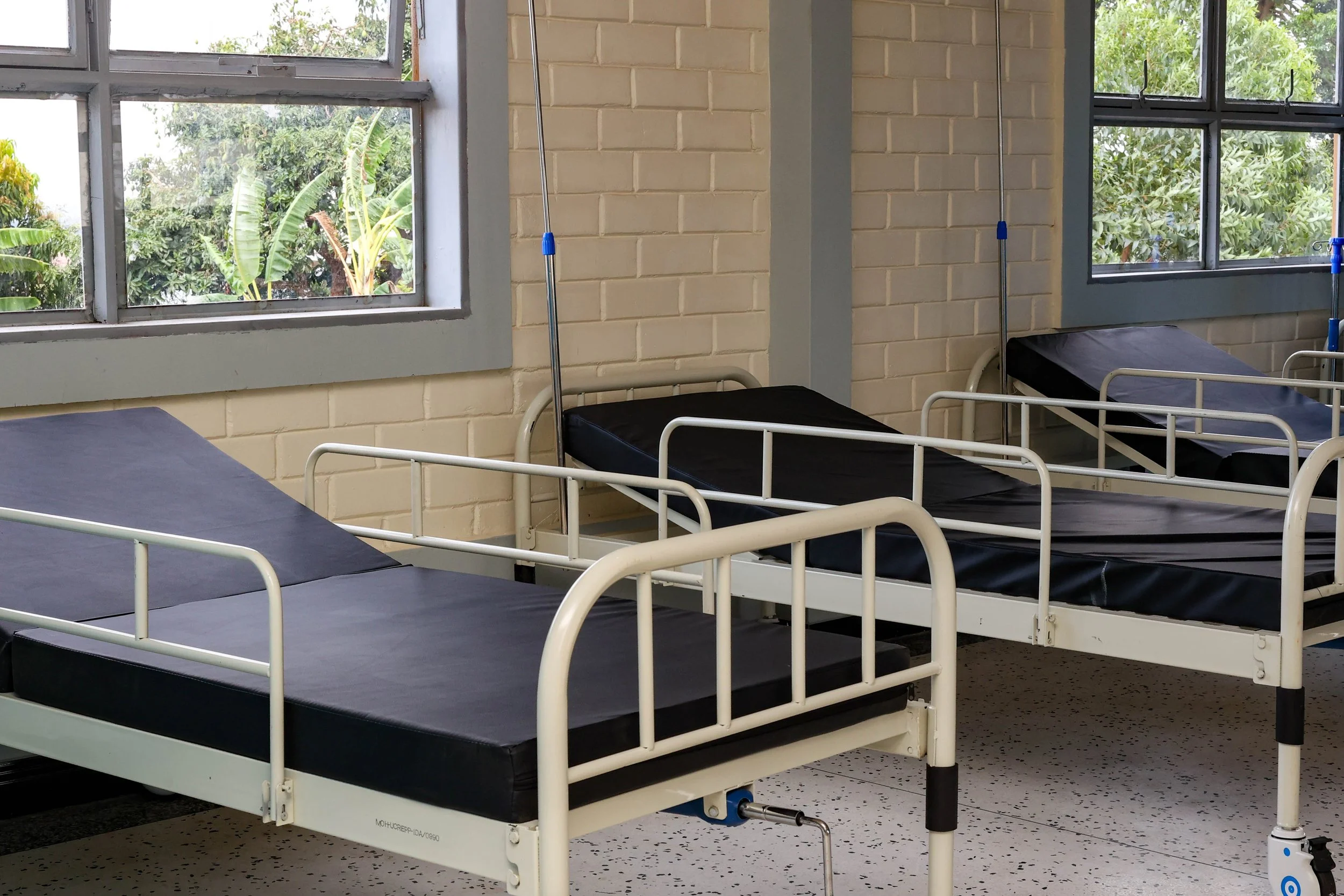
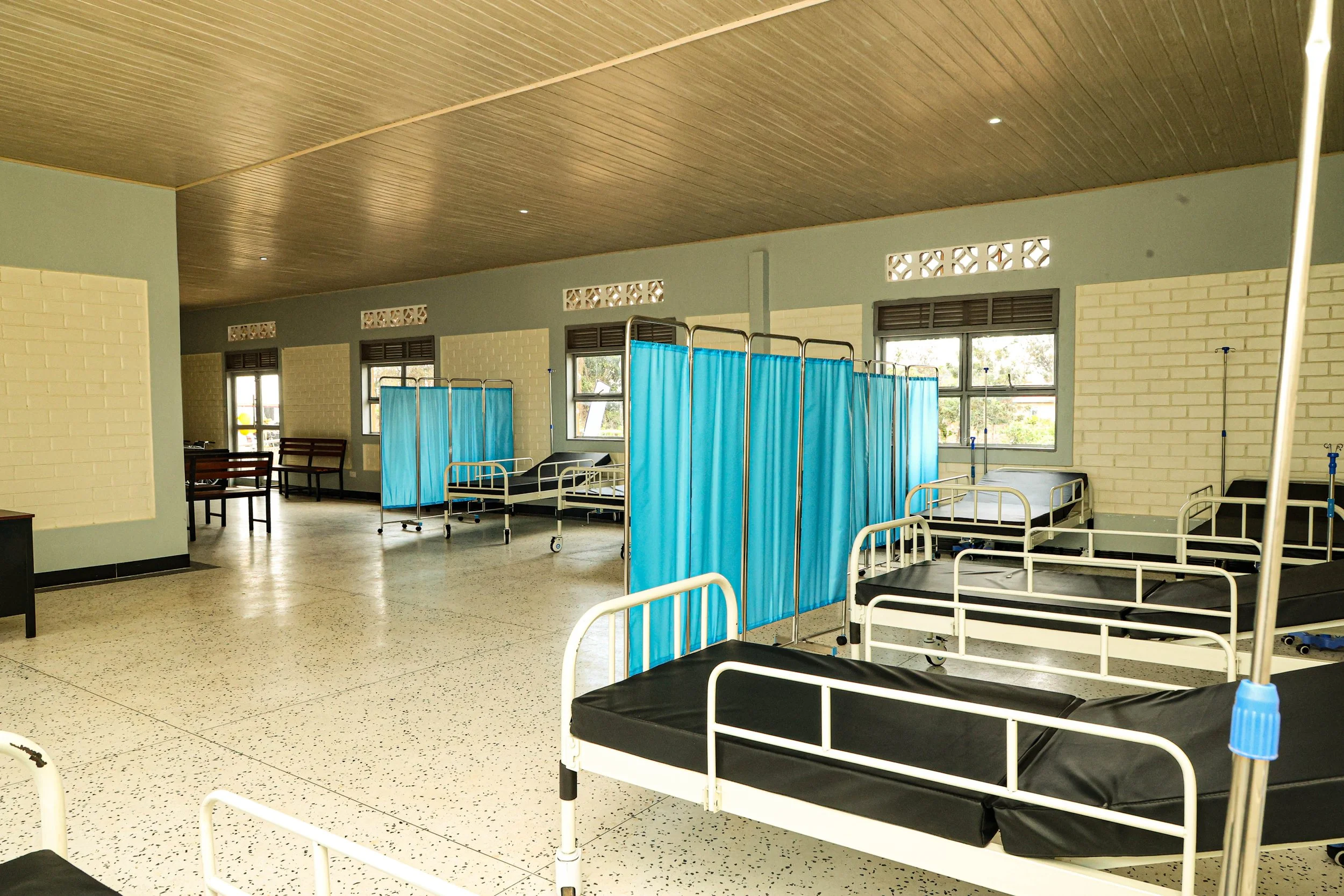
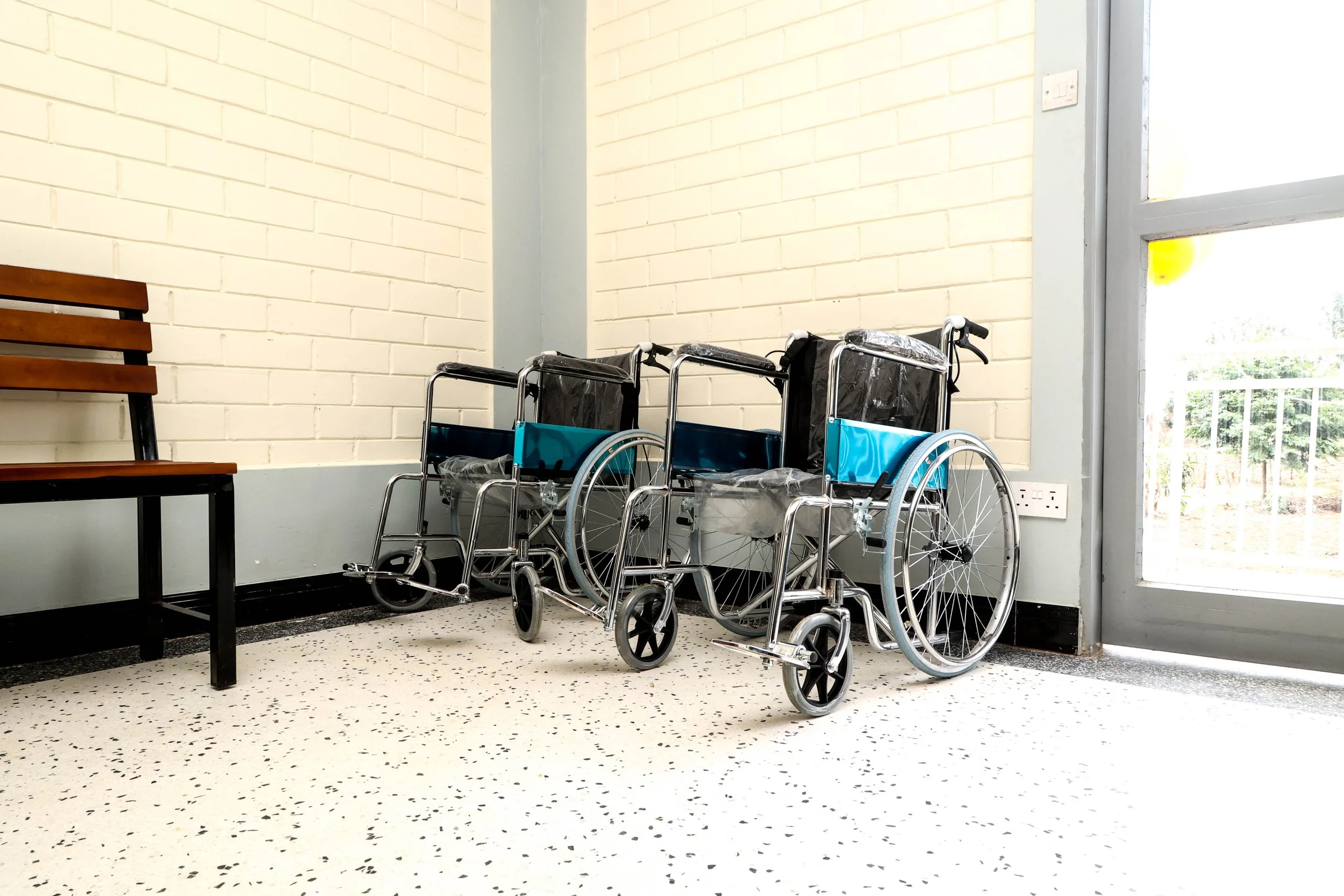
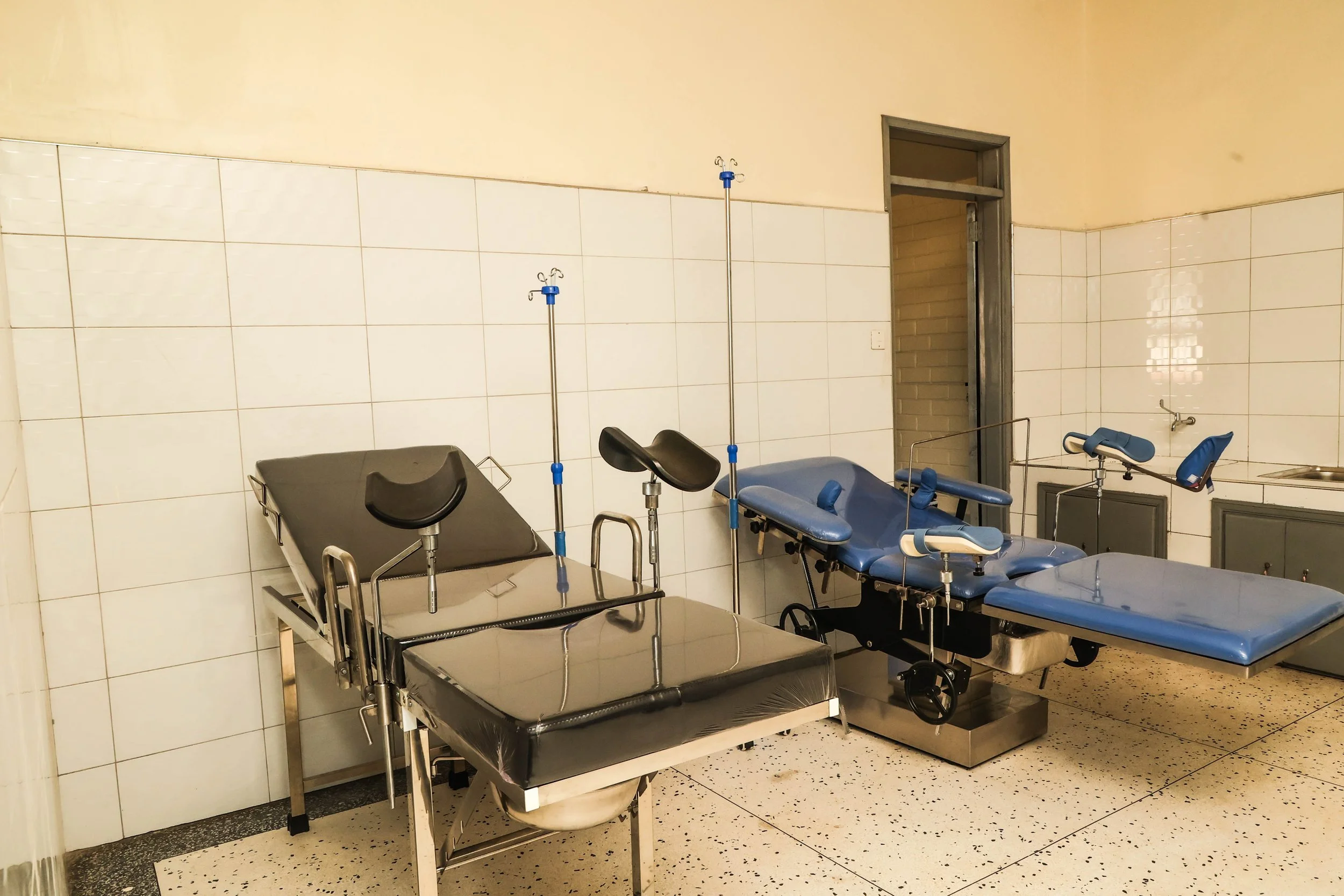
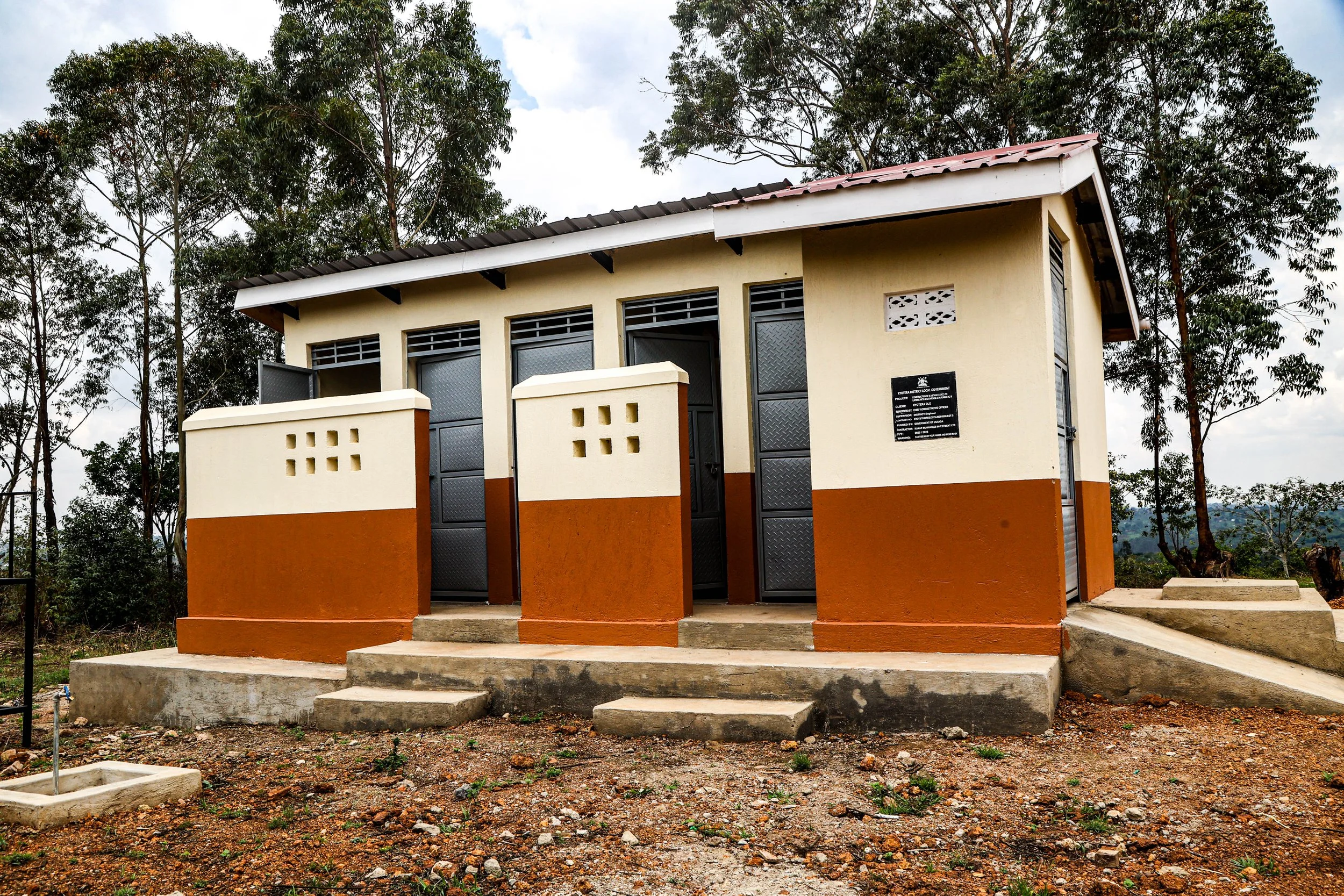
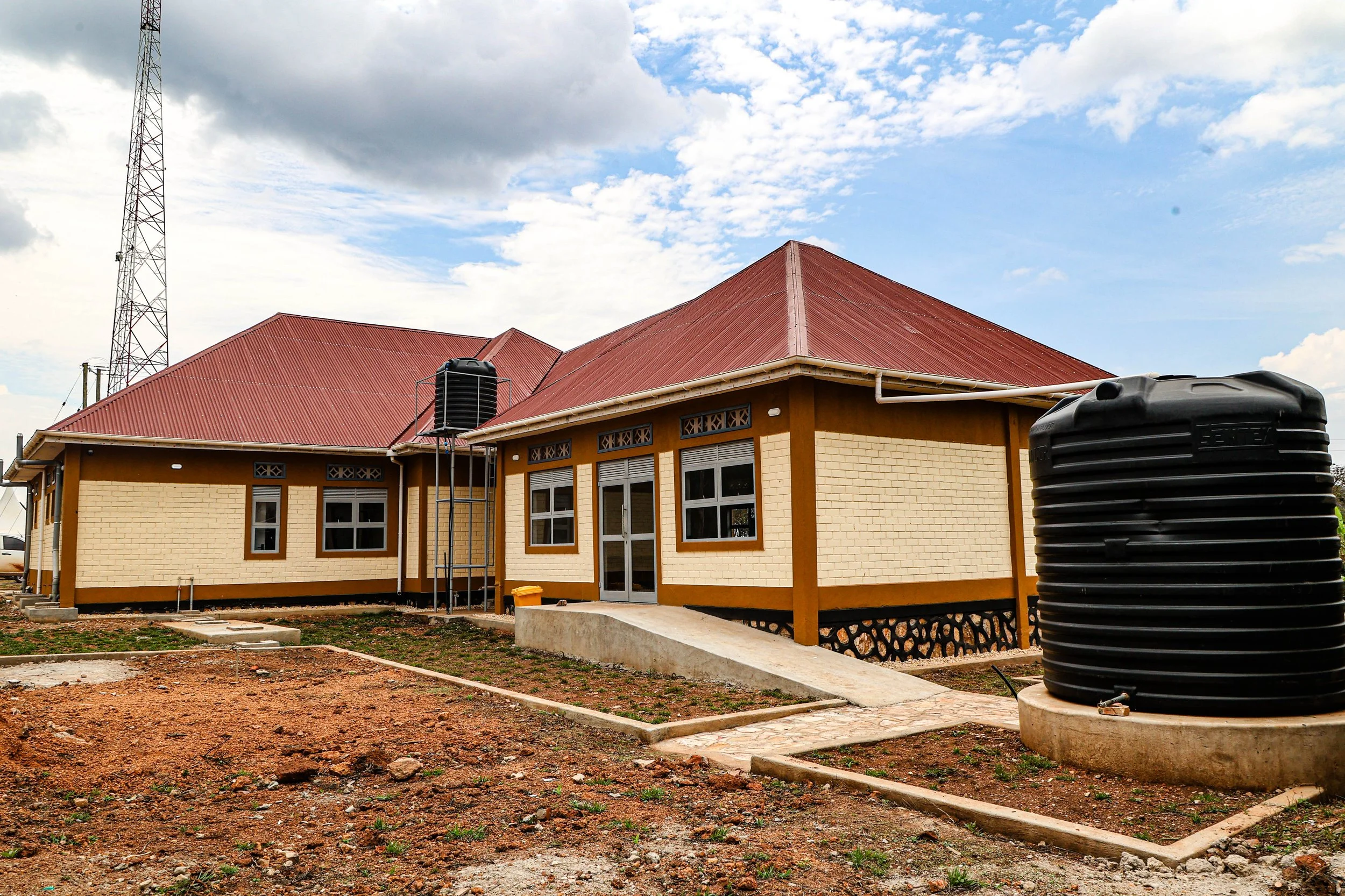
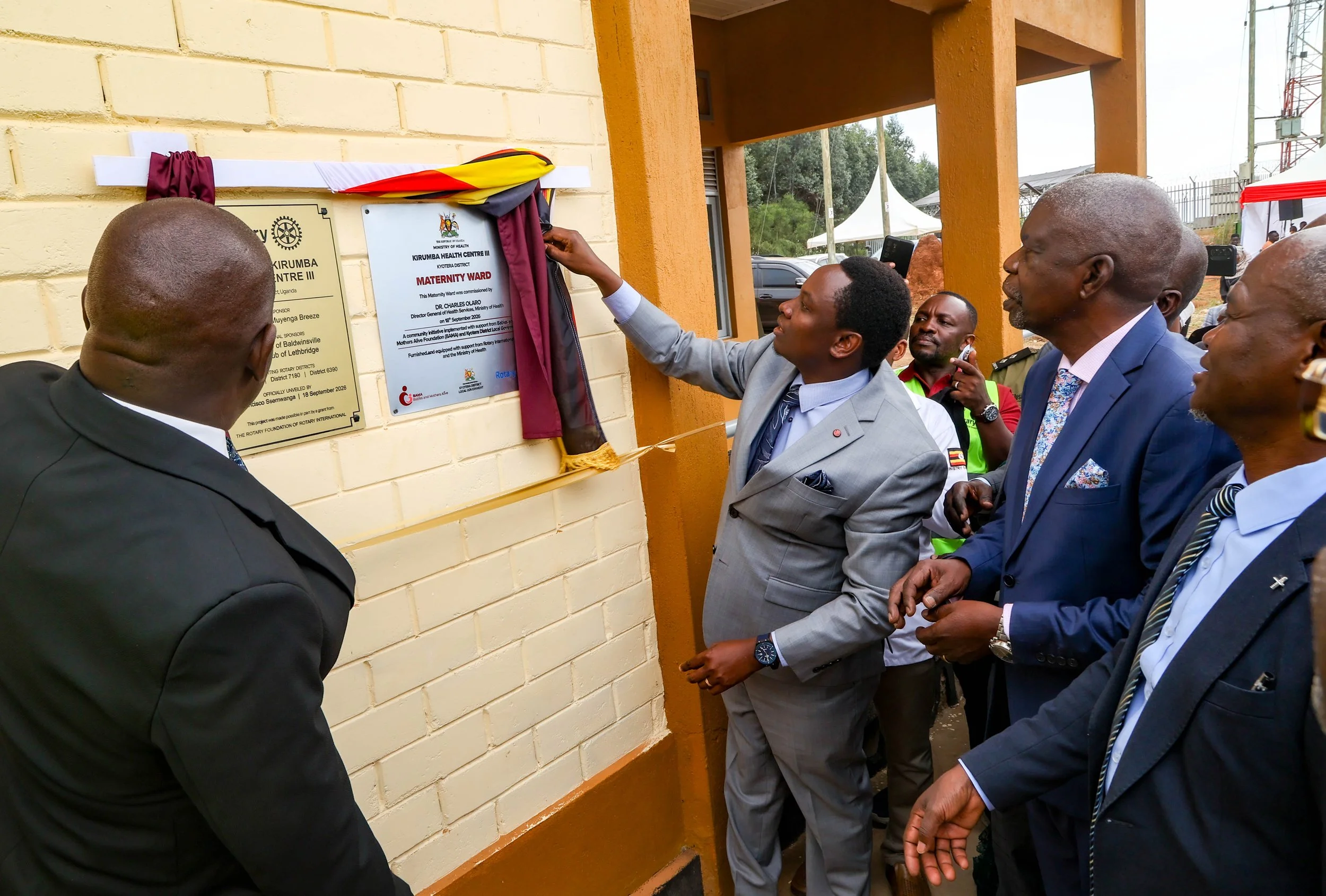
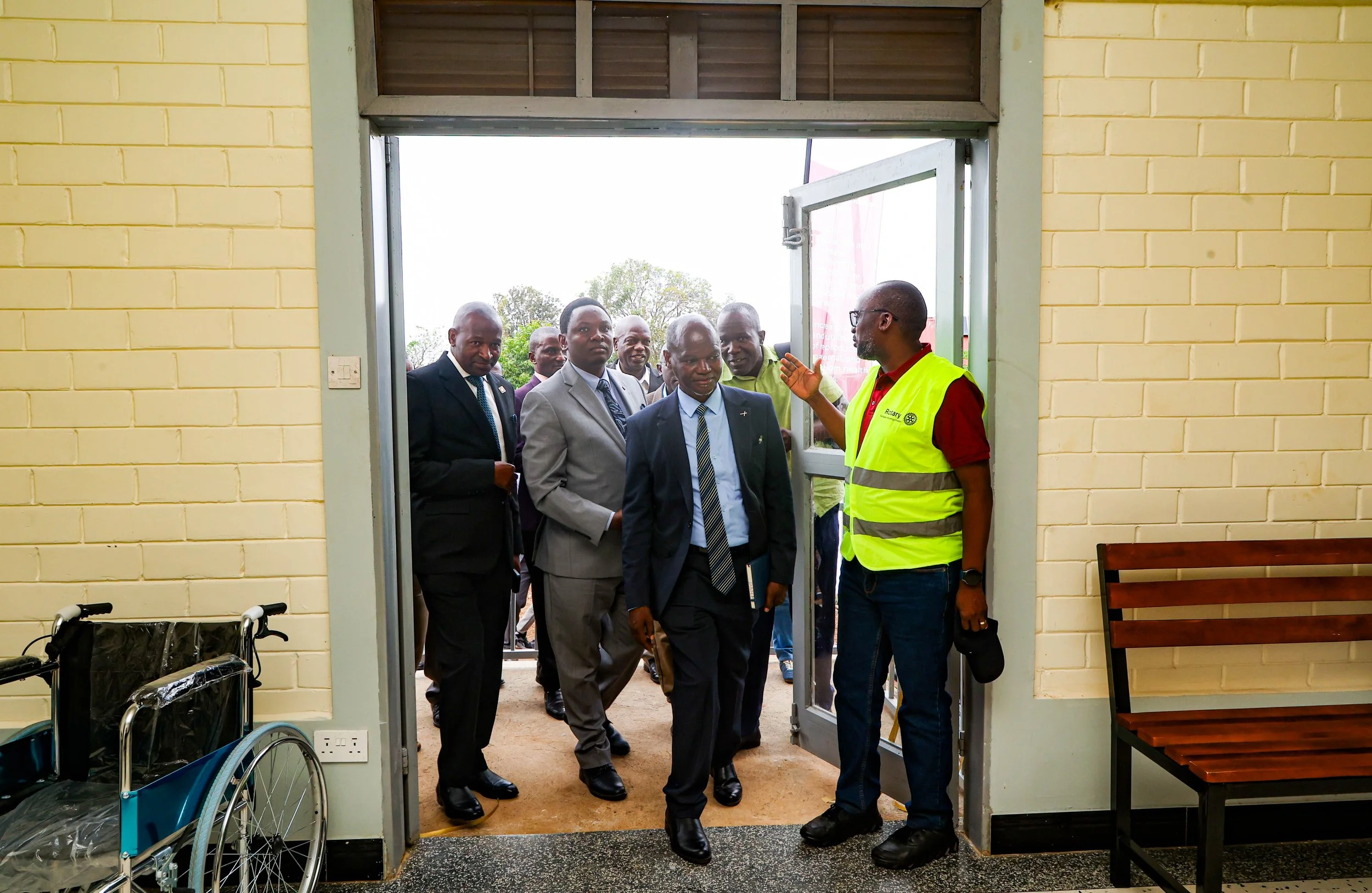
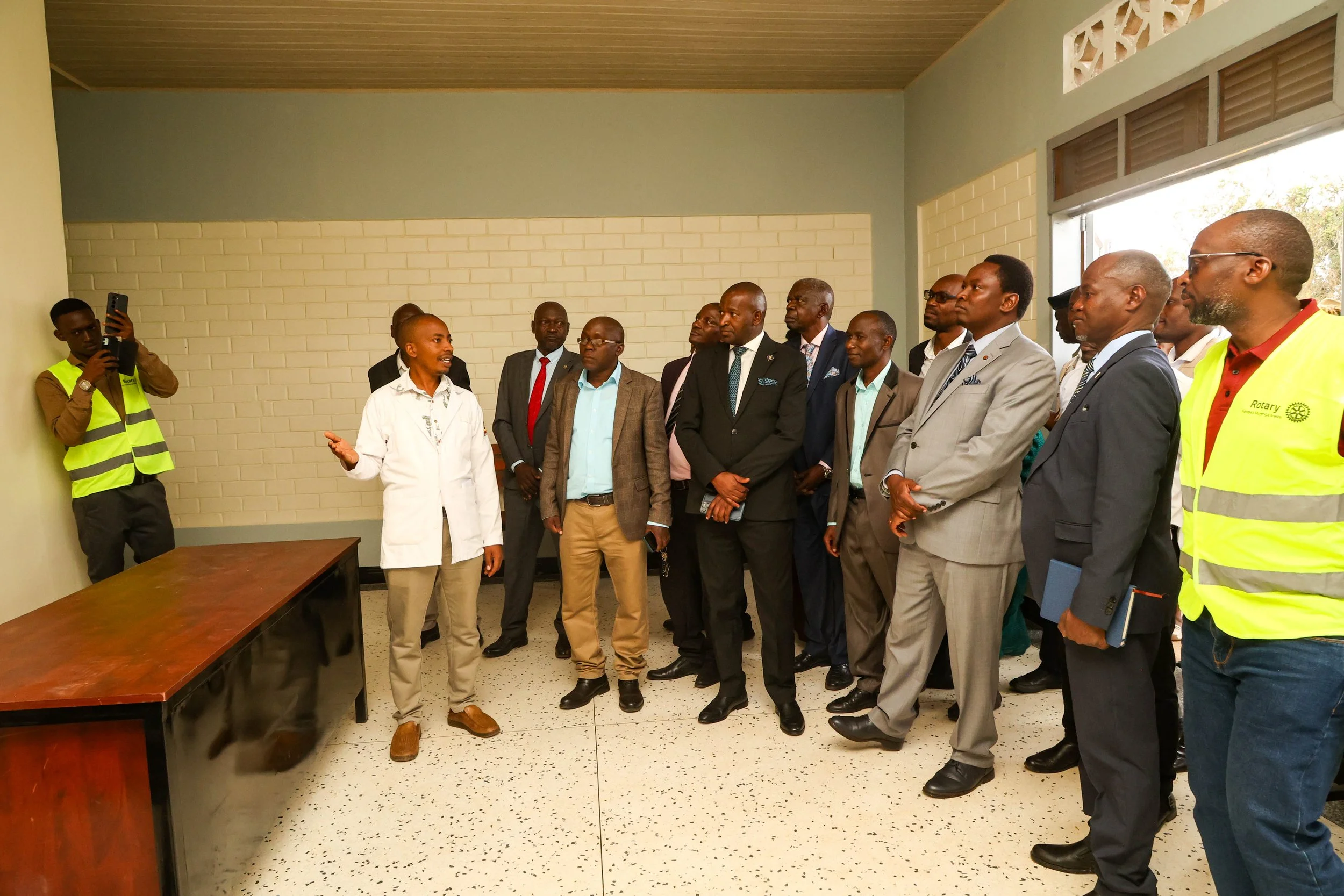
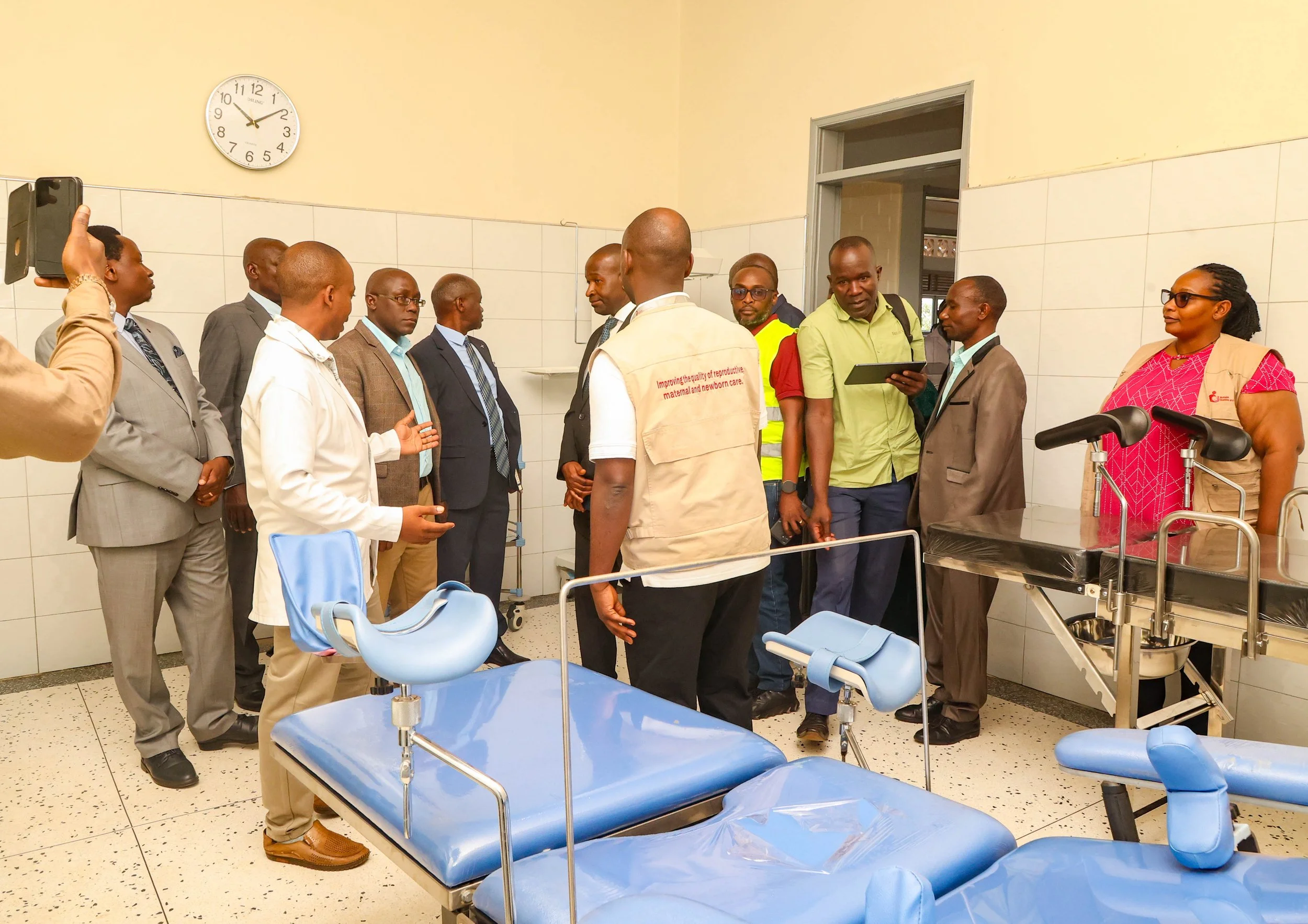
BAMA and the Kyotera District Local Government signed a Memorandum of Understanding for the new maternity ward in September 2022, and construction began in January 2023. The completed ward now provides dedicated areas for antenatal, delivery and postnatal care, high-risk mothers, family planning and mother-baby services, alongside records, storage and sanitation spaces.
Strong partnerships
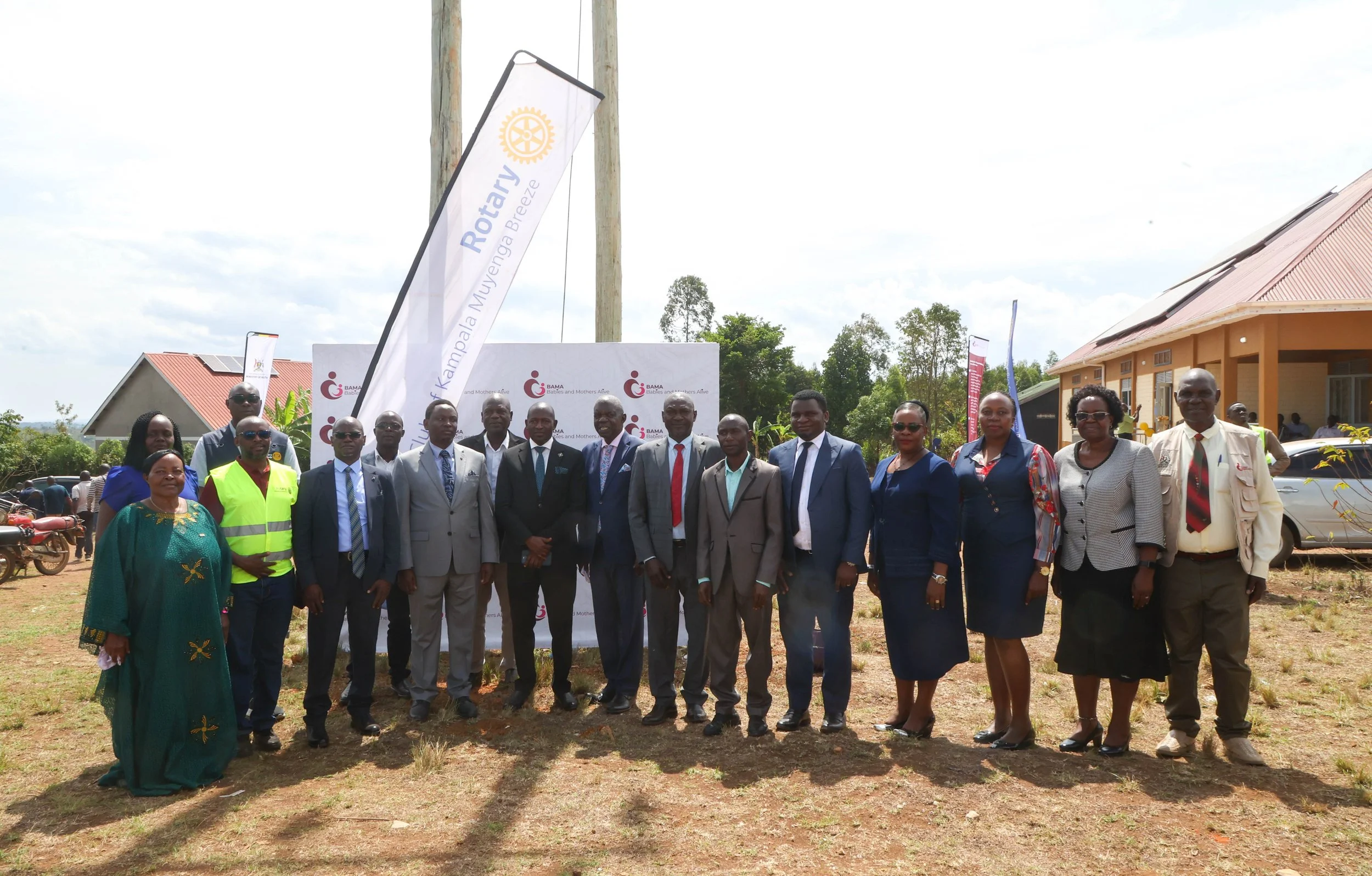
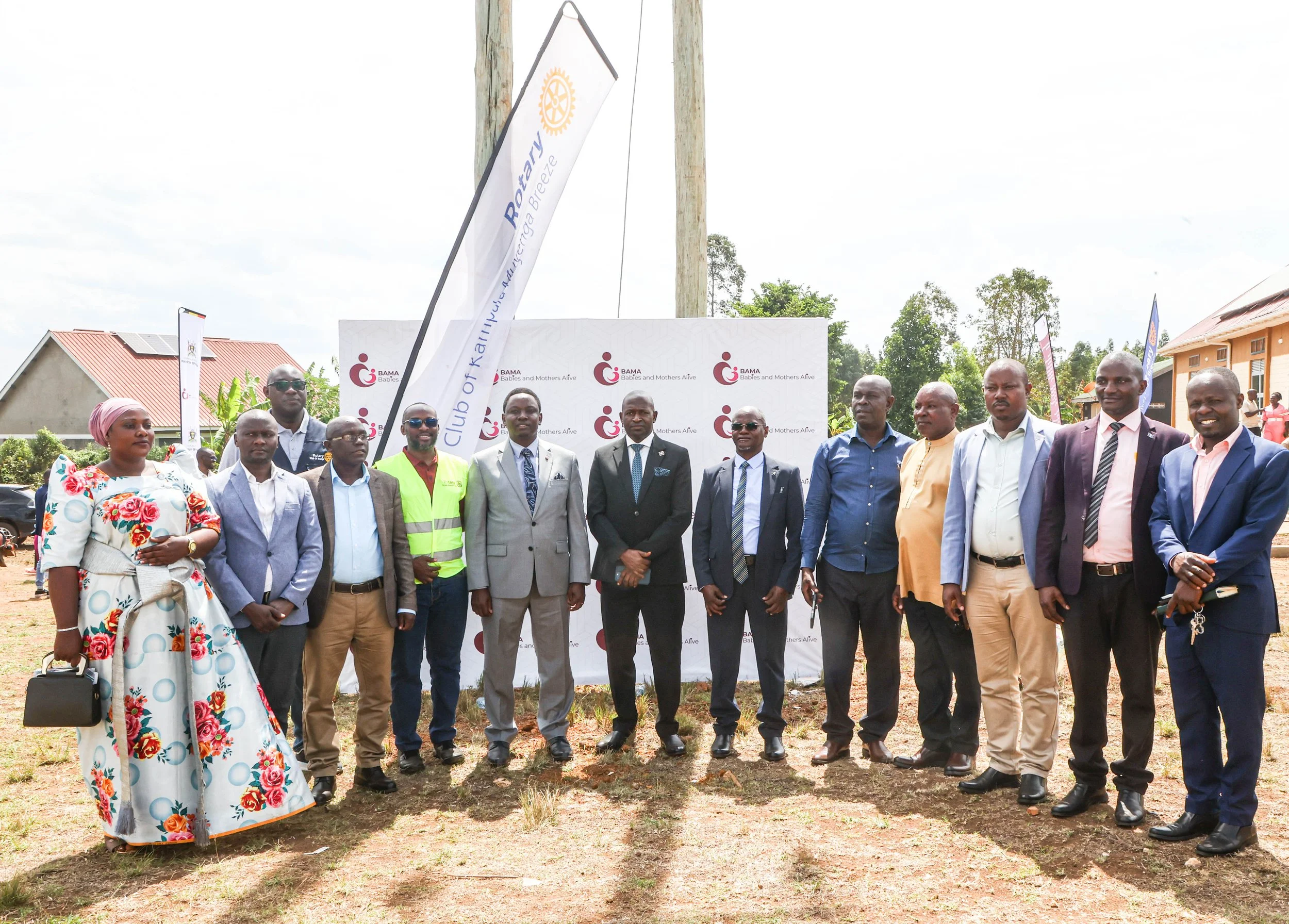
Construction cost UGX 373.5 million (approximately US$100,000). BAMA contributed UGX 224.2 million (about US$60,000), Kyotera District Local Government UGX 80.8 million (about US$22,000), Kirumba Subcounty UGX 21.25 million (about US$5,300), and residents raised UGX 47.25 million (about US$12,700) through community fundraising.
“This maternity ward was not simply brought into Kirumba,” says Vincent Mayiga, BAMA Foundation's outgoing Board Chairperson. “The people of Kirumba helped build it.”
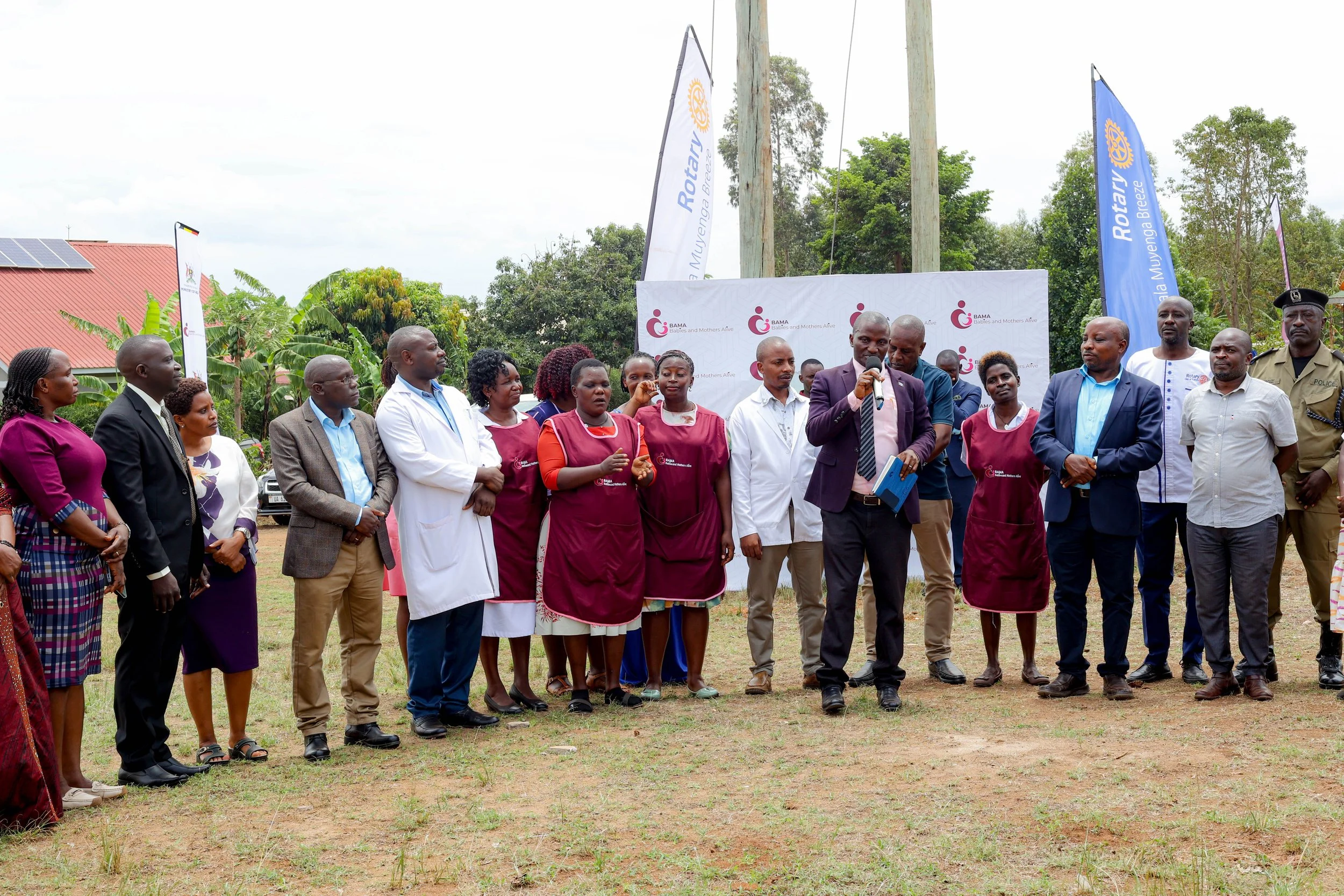
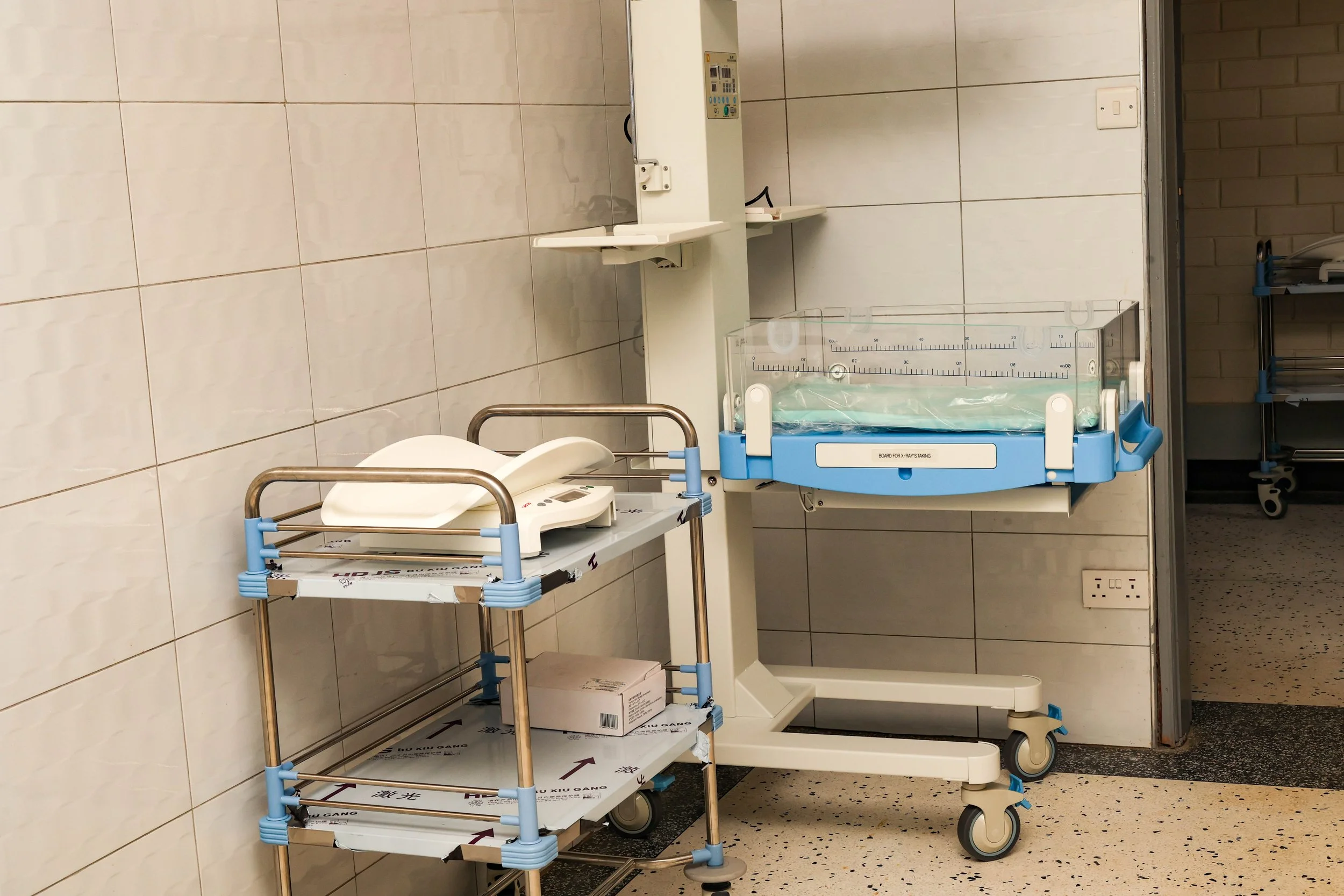
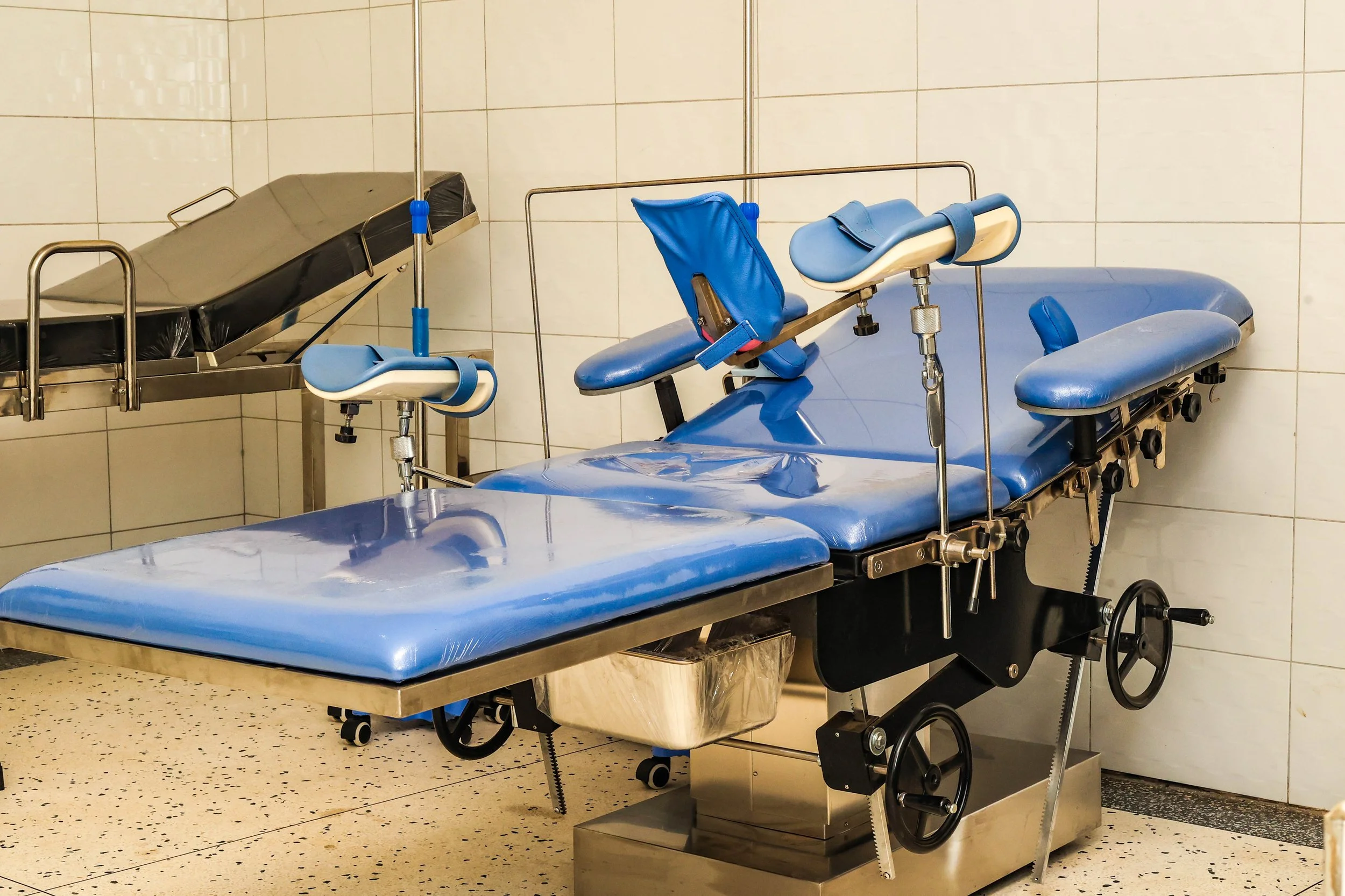
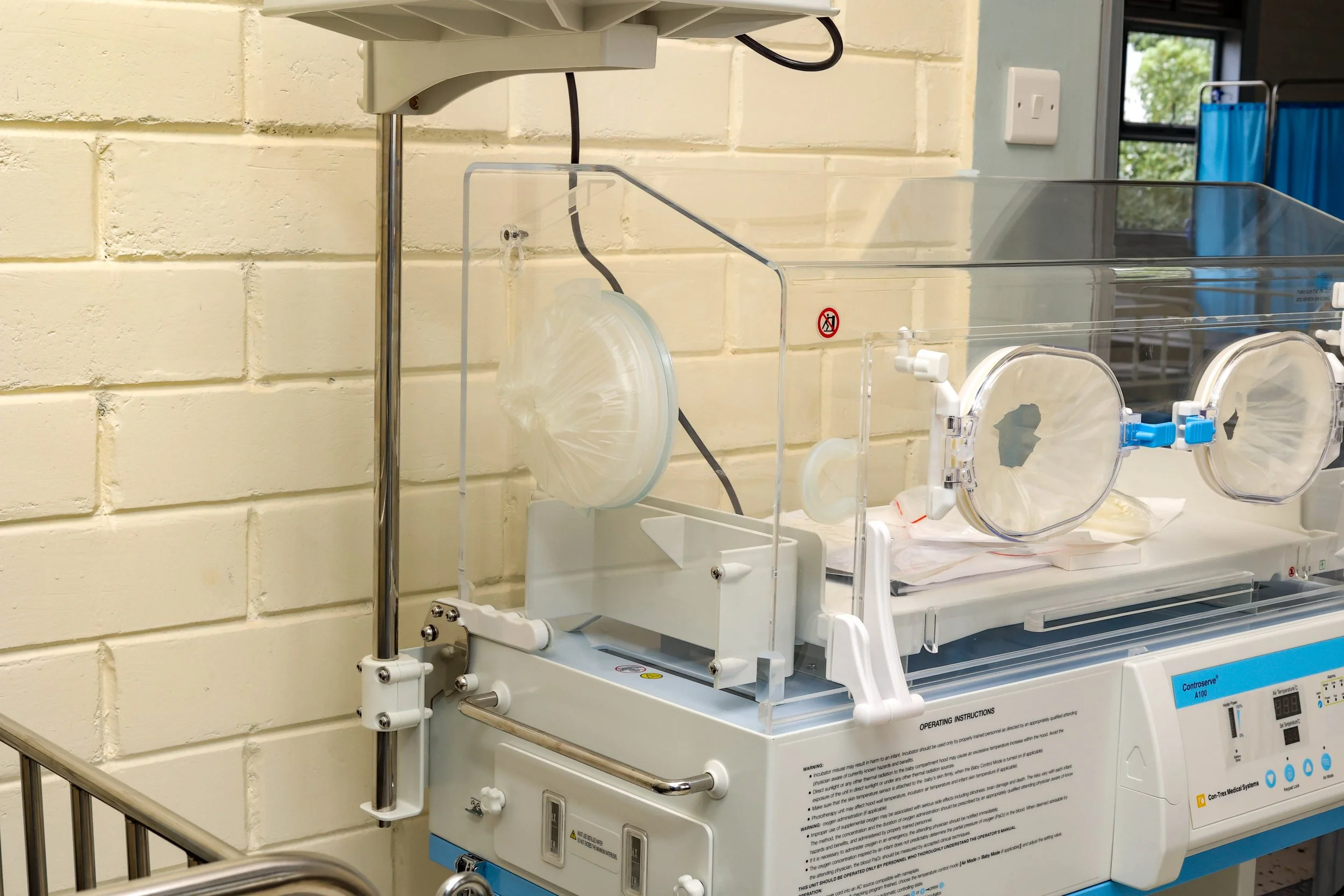
The Rotary Club of Kampala-Muyenga Breeze, working with international Rotary partners, later secured a US$40,000 Rotary Foundation grant to equip the maternity ward and install solar power. The support included an ultrasound scanner, baby incubator, baby warmer and modern delivery beds.
What the new ward makes possible
The additional space and equipment are expected to expand what health workers can manage locally. Dr. Mulindwa says premature babies and newborns with complications such as birth asphyxia previously had to be referred to Kalisizo Hospital or Masaka Regional Referral Hospital. Kirumba can now begin managing more newborns locally while referring those who require higher-level care.
“This means that some newborns will no longer have to travel those long distances for care,” Mulindwa says.
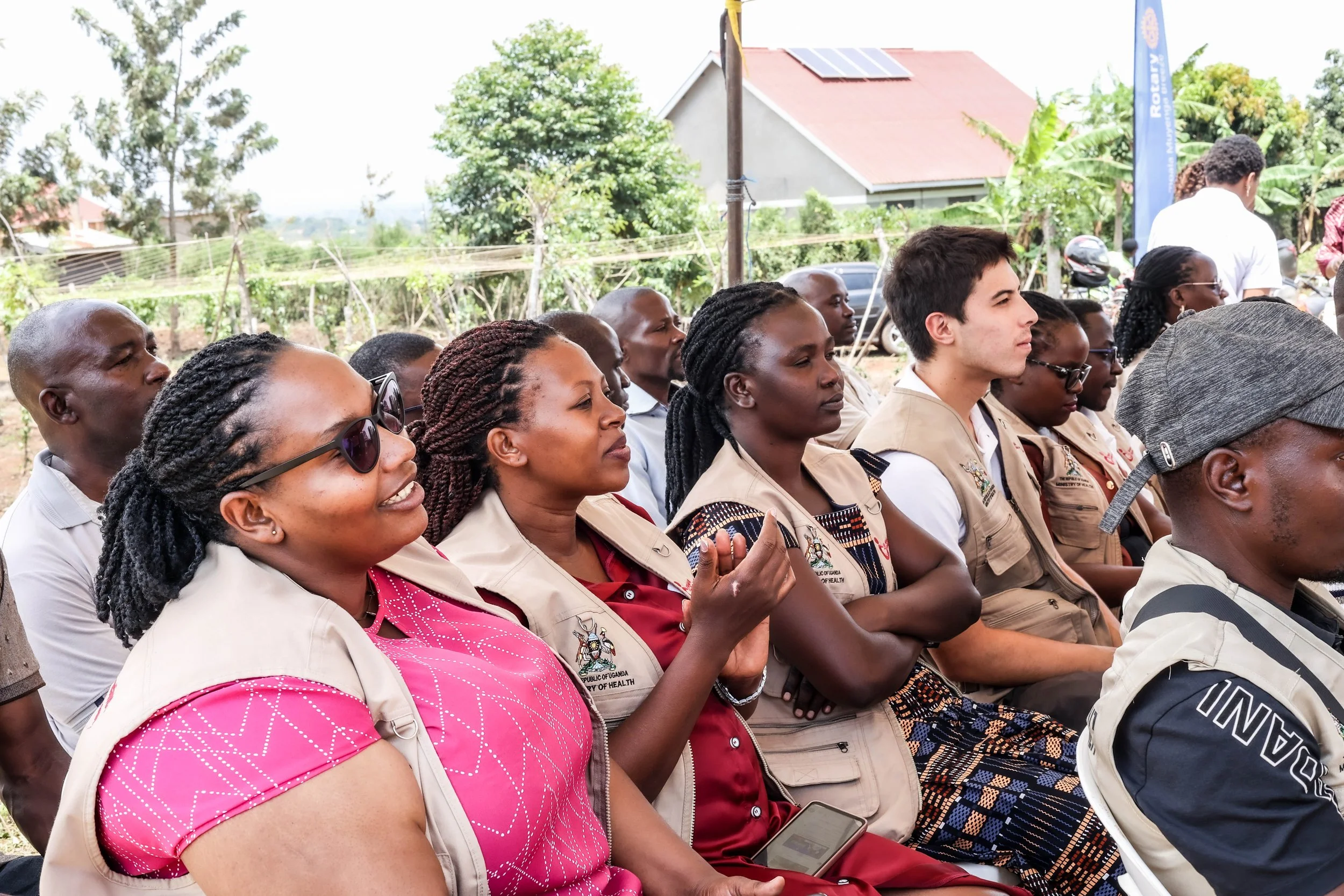
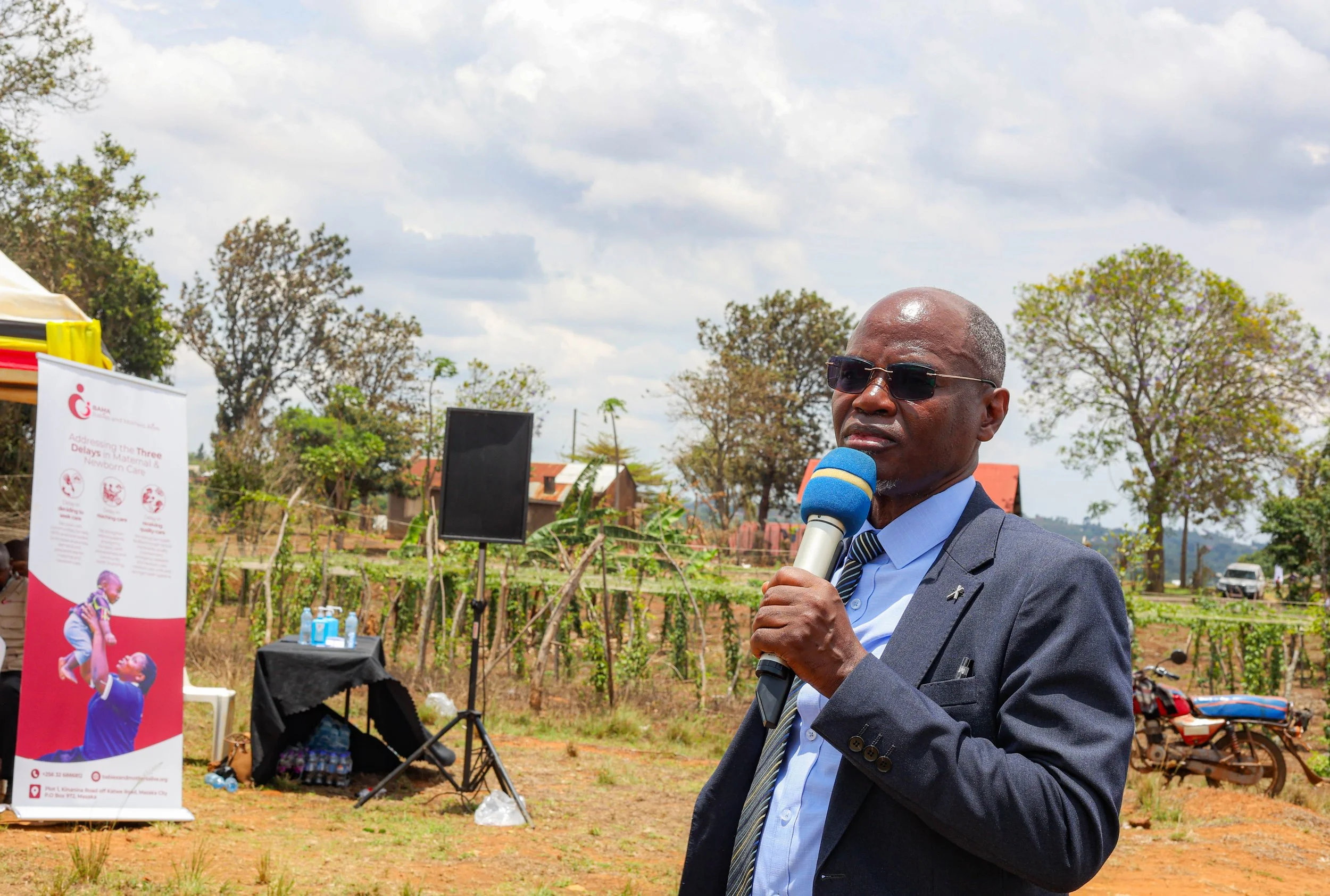
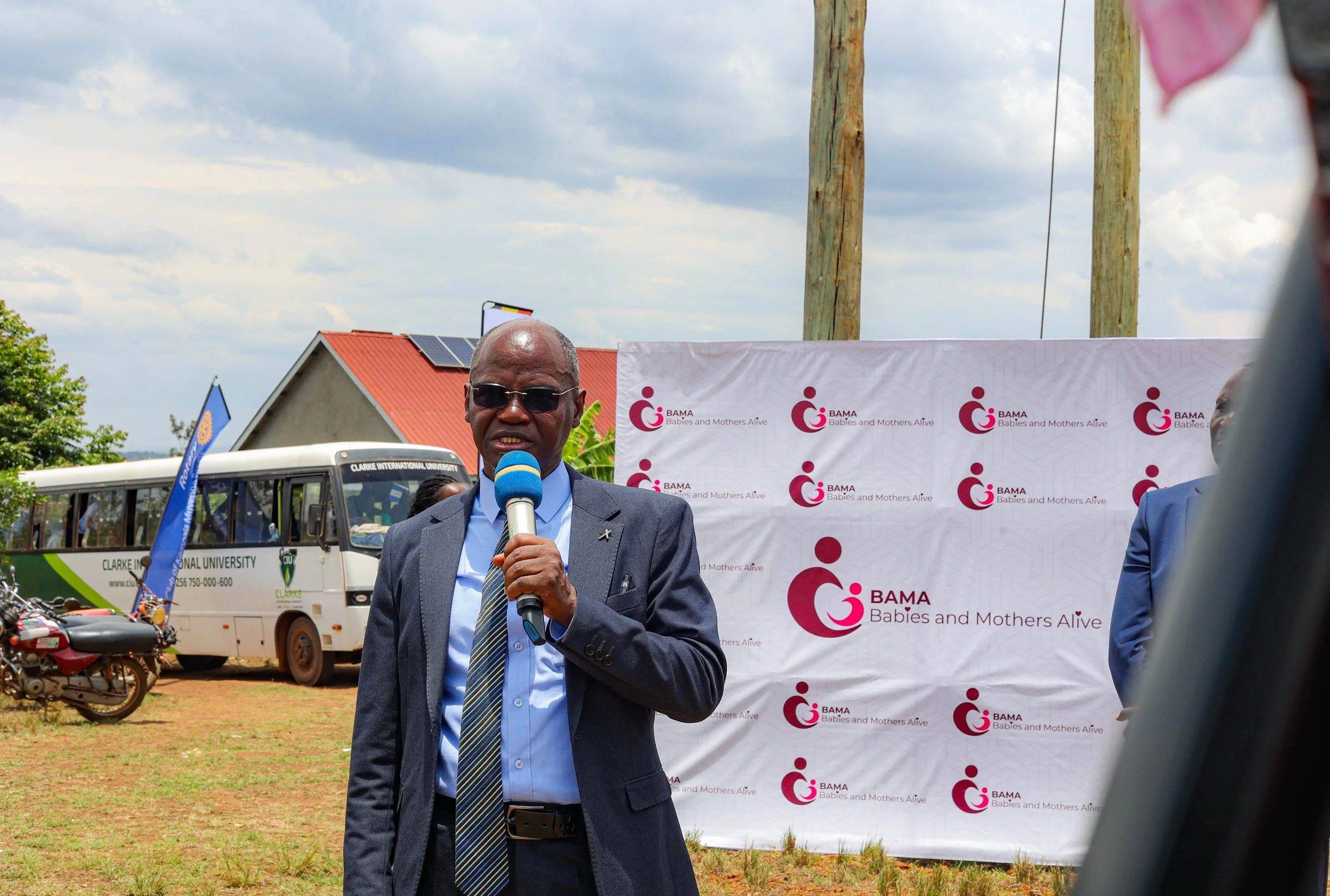
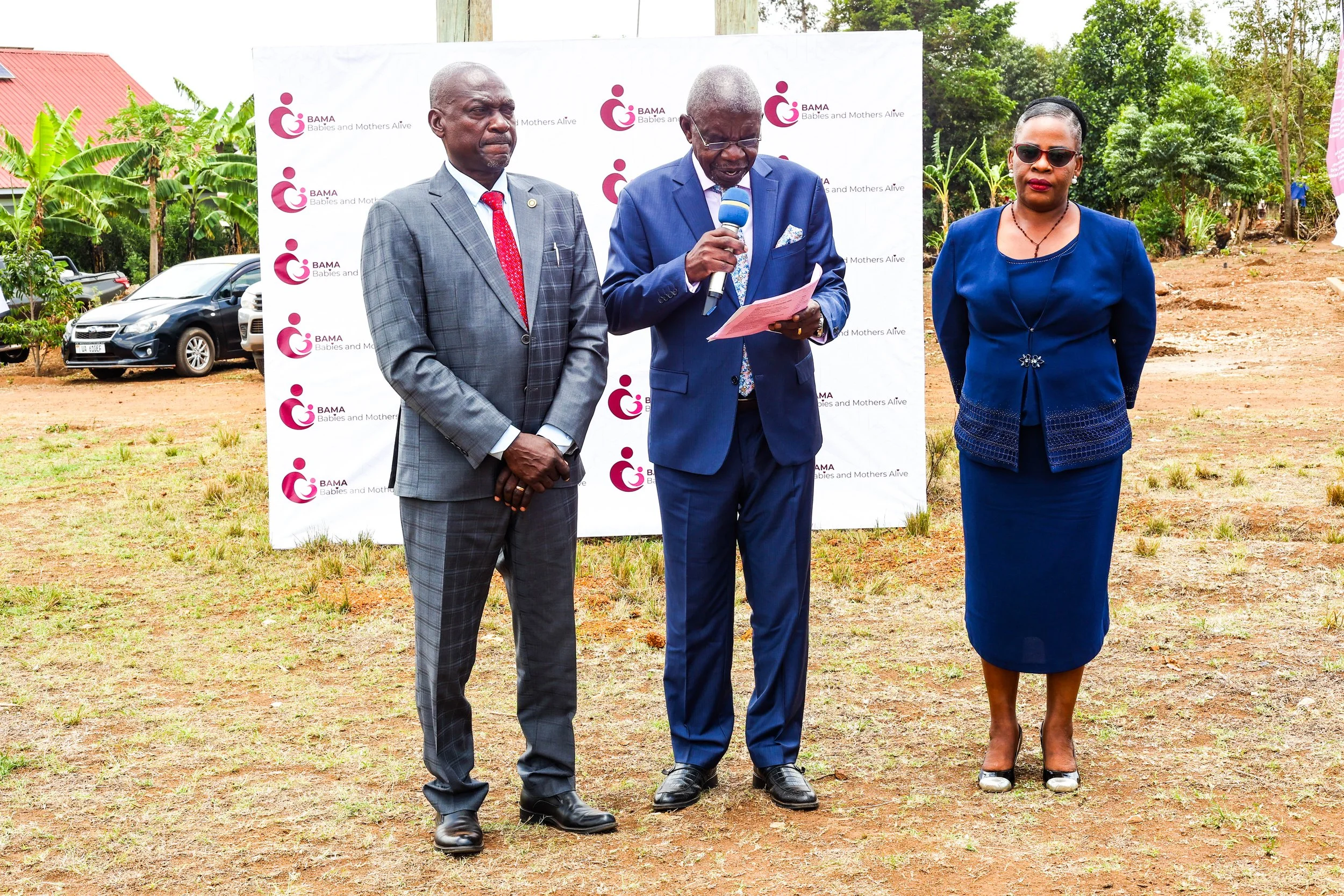
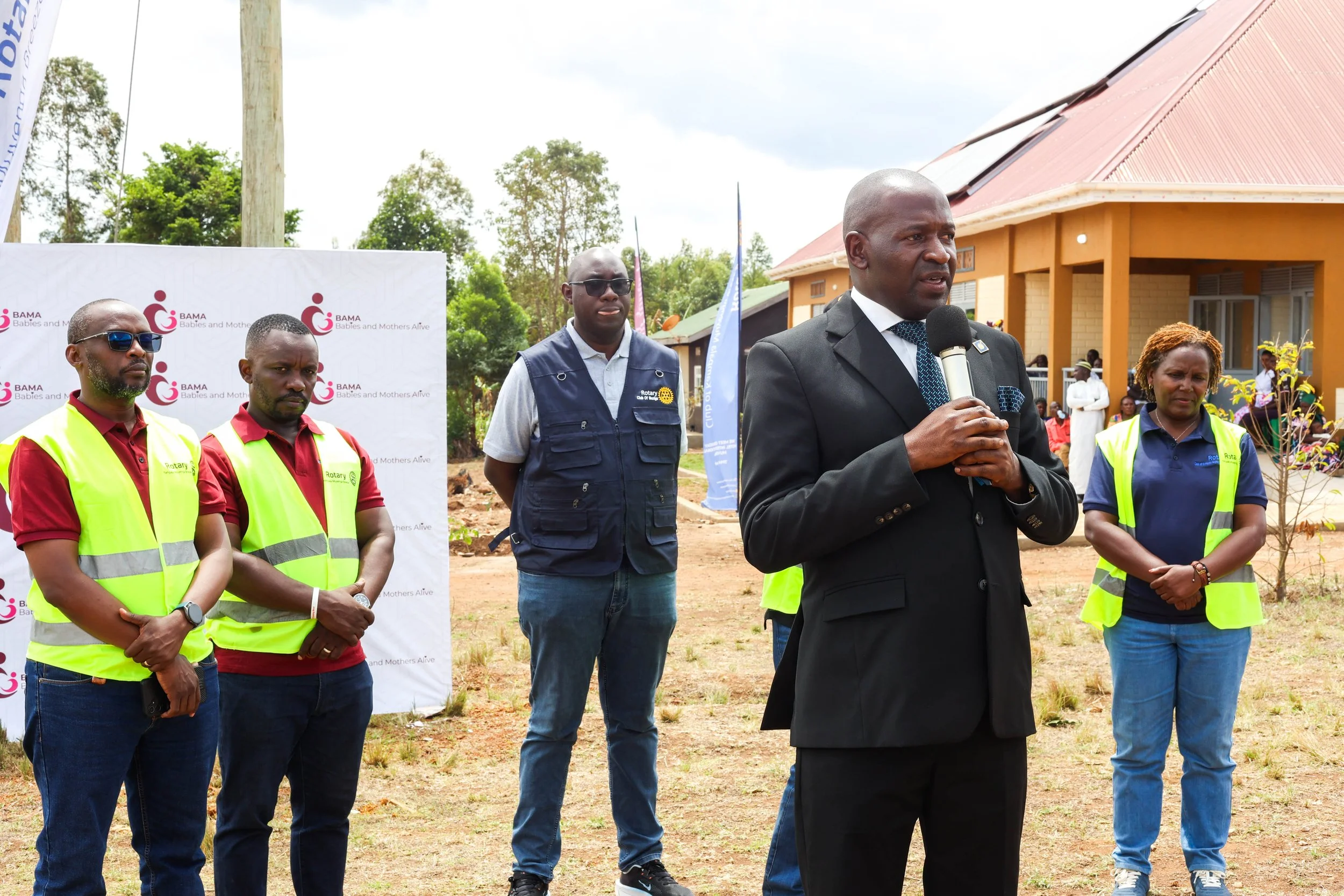
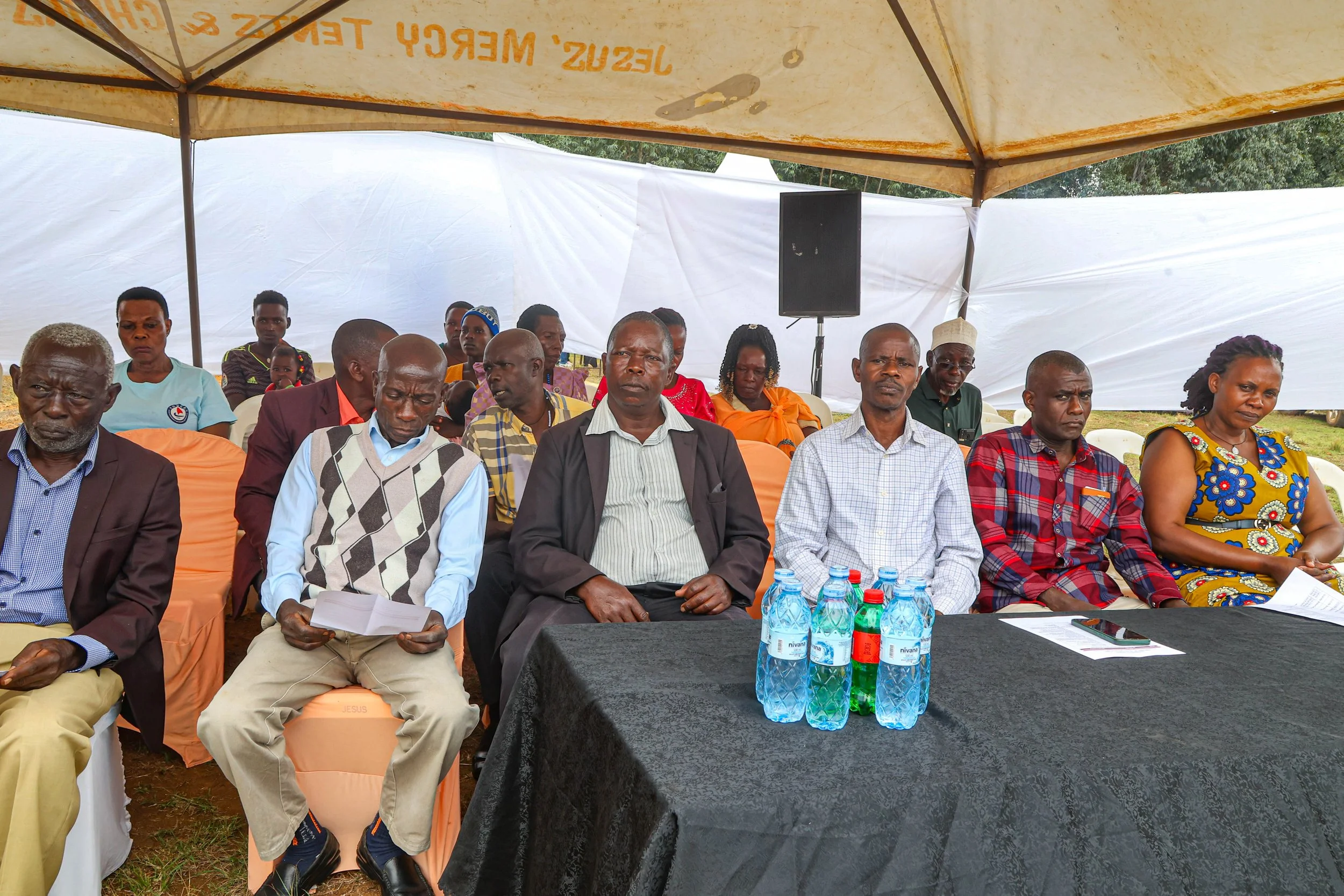
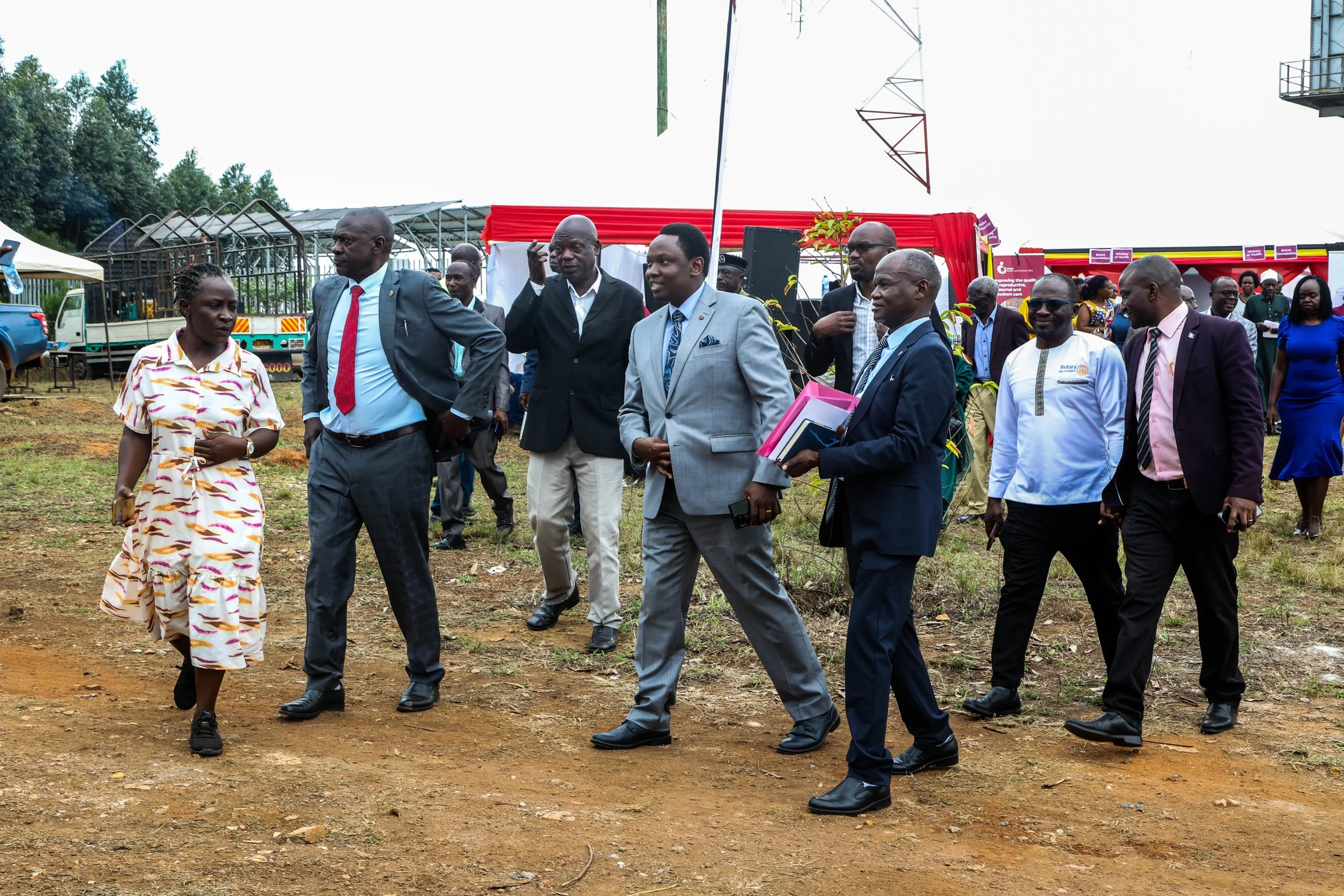
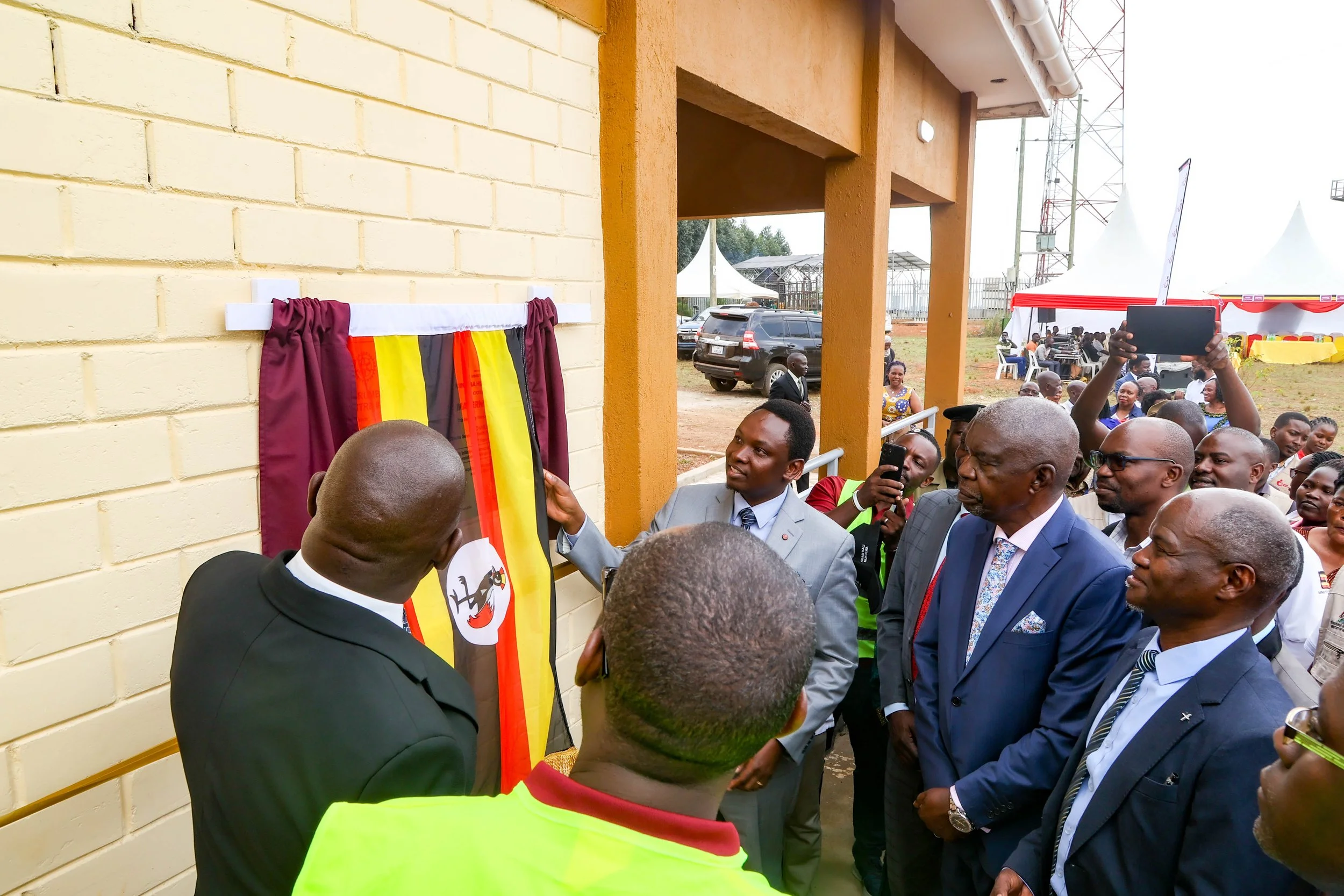
Representing Director General Health Services Dr. Charles Olaro at the September 18 commissioning, Dr. Richard Kabanda, Commissioner for Health Promotion, Education and Strategic Communication at the Ministry of Health, said strengthening facilities such as Kirumba would bring appropriate services closer to communities and reduce unnecessary referrals.
“I want to emphasize that what happens inside this maternity ward from tomorrow is what matters most,” Kabanda said.
Kyotera District Health Officer Dr. Edward Muwanga said the district would continue supporting medicines and essential supplies, health worker training and mentorship, and referral when a mother or newborn requires care beyond Kirumba's capacity.
“People of Kirumba, you have got gold,” Muwanga told residents. “Hold it preciously.”
Richard Bantubalamu, Assistant Chief Administrative Officer, also made a public commitment on behalf of Kyotera's civil servants.
“As civil servants of Kyotera District, we also commit ourselves to reporting to duty on time and providing the services that this community needs,” he said. “We will serve you because you are our clients and, ultimately, the people we are here to serve.”
Bantubalamu called for the new equipment to be formally recorded and safeguarded and encouraged residents to use community barazas to raise service delivery concerns with local leaders and civil servants.
The commissioning also brought remaining needs into focus. LCV Chairperson Peter Asiimwe Saasira called for an ambulance to strengthen emergency referral, additional staffing, a placenta pit and a reliable electricity connection to complement the solar system. Kabanda responded to one of those needs by committing his office to meet half the cost of the placenta pit and asking the district to prioritize the remaining contribution through Primary Health Care resources.
Assistant Resident District Commissioner George Mawejje Ssengooba emphasized that the experience of women seeking care would depend on more than infrastructure and equipment. He appealed to health workers to receive women with compassion and speak to them respectfully.
“We want to appeal to you to handle our mothers well and speak to them politely,” he said.
With the ward now open, the measure of the investment shifts to the care provided within it, the equipment and infrastructure being maintained, and women continuing to trust Kirumba when they need maternity services.
“The return on that investment will not be measured by the building alone,” Mayiga says. “My hope is that ten years from now, we can return to Kirumba and find this ward still serving mothers well. I hope we find the building cared for, the equipment working, health workers able to do their work properly, and families still confident to bring mothers and newborns here for care.”