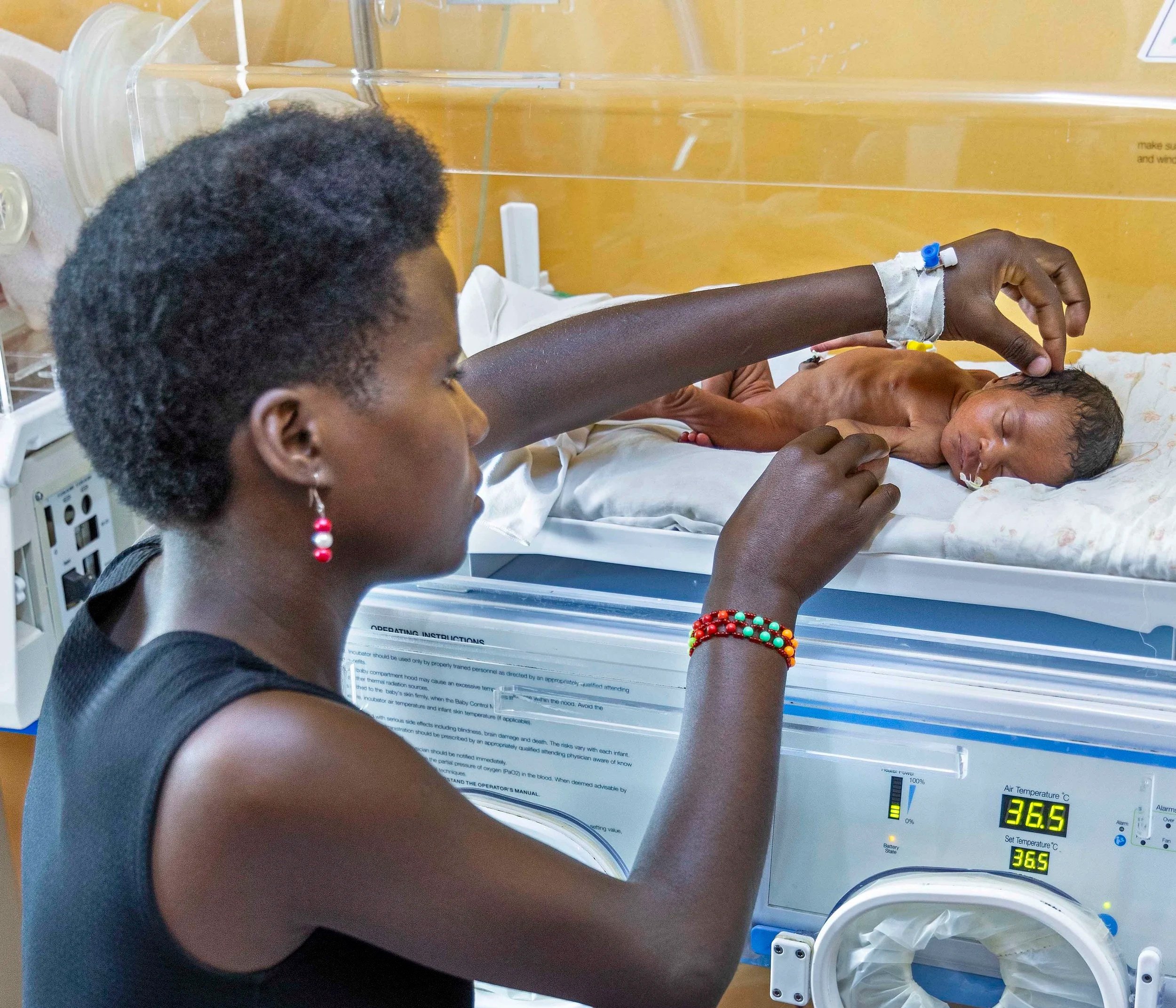
The most dangerous time in any child's life is the first 28 days.
In Uganda, 45,000 infants die every year from preventable complications of birth and the newborn period. These are not inevitable deaths — they are the result of gaps in care that BAMA is determined to close.
From the moment a baby is born to the weeks that follow, BAMA's programs wrap around mothers and newborns to ensure both survive and thrive.
THE CRITICAL WINDOW: BIRTH TO 28 DAYS
Most newborn deaths occur in the first week of life — and the majority of those within the first 24 hours. Skilled care at birth is essential, but so is what comes after: skilled postnatal checks, support for breastfeeding and skin-to-skin care, and rapid identification of danger signs.
In the communities BAMA serves, women have historically had limited access to postnatal follow-up. Distance, cost, and a shortage of trained providers mean that a mother who survives delivery may return home without the support she and her baby need in the days that follow.
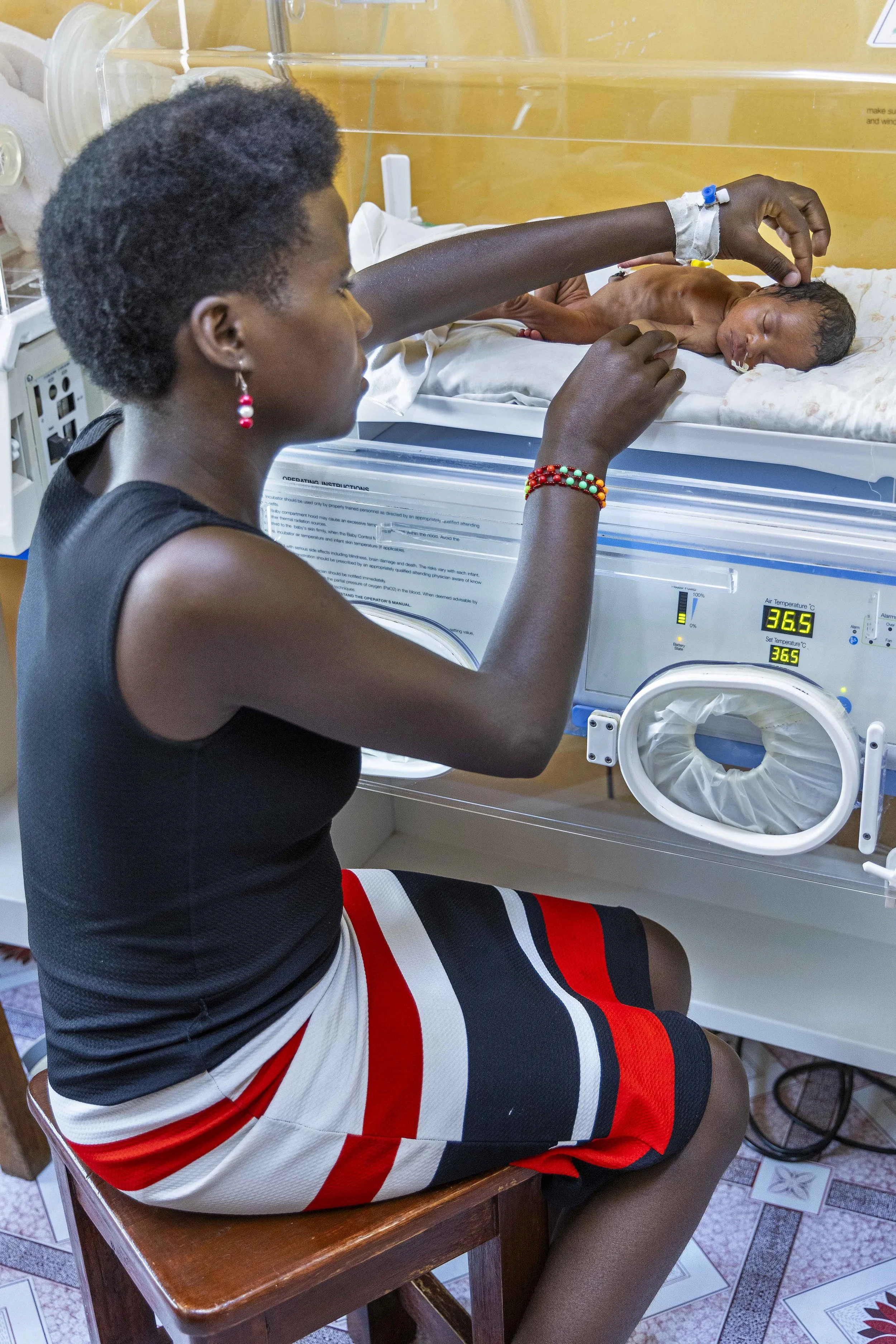
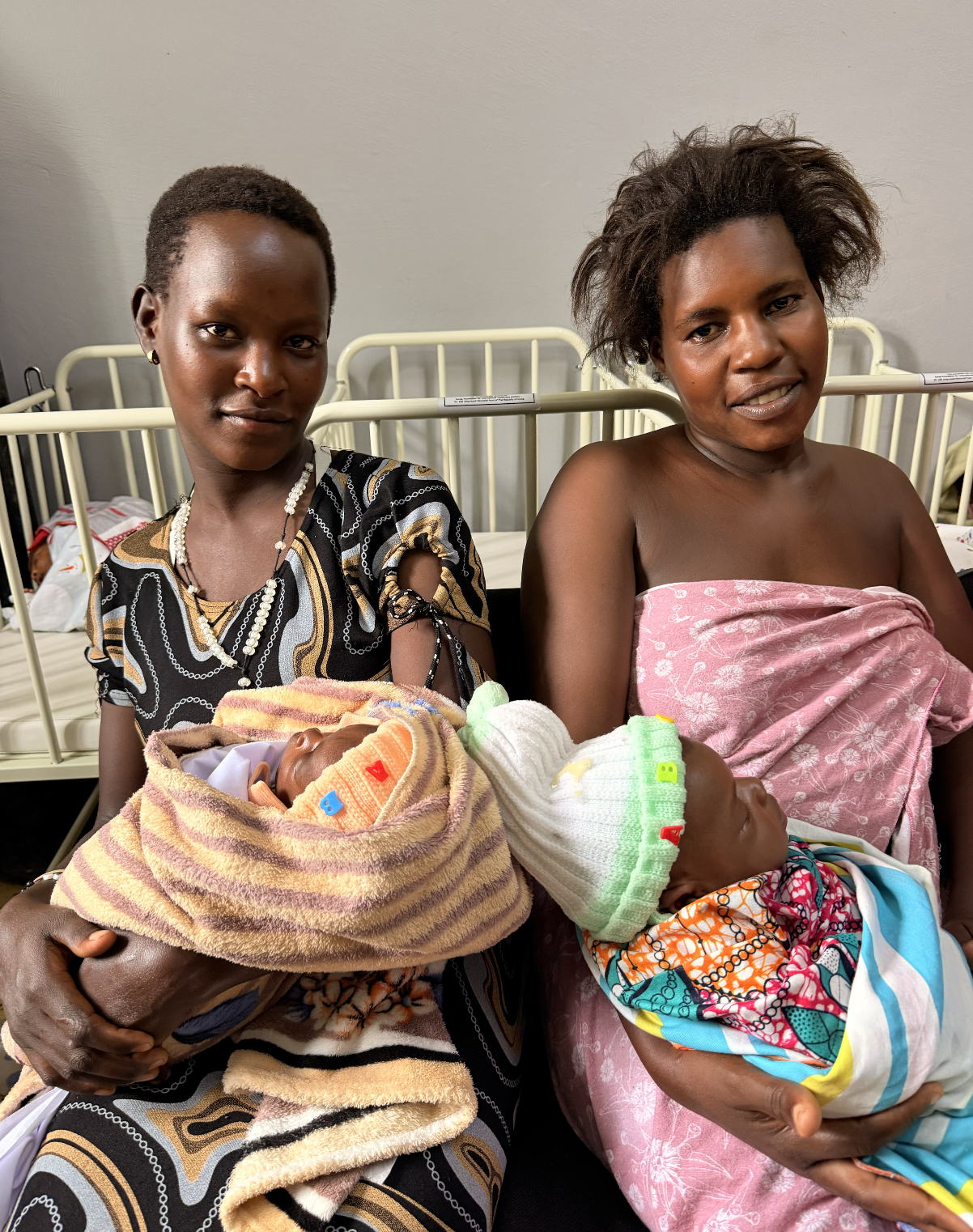
“After my baby was admitted to the NICU, I didn’t know what to do. The nurses showed me how to do kangaroo care — holding him against my chest. He grew stronger every day. Now he is healthy.”
OUR HOSPITAL-TO-HOME MODEL
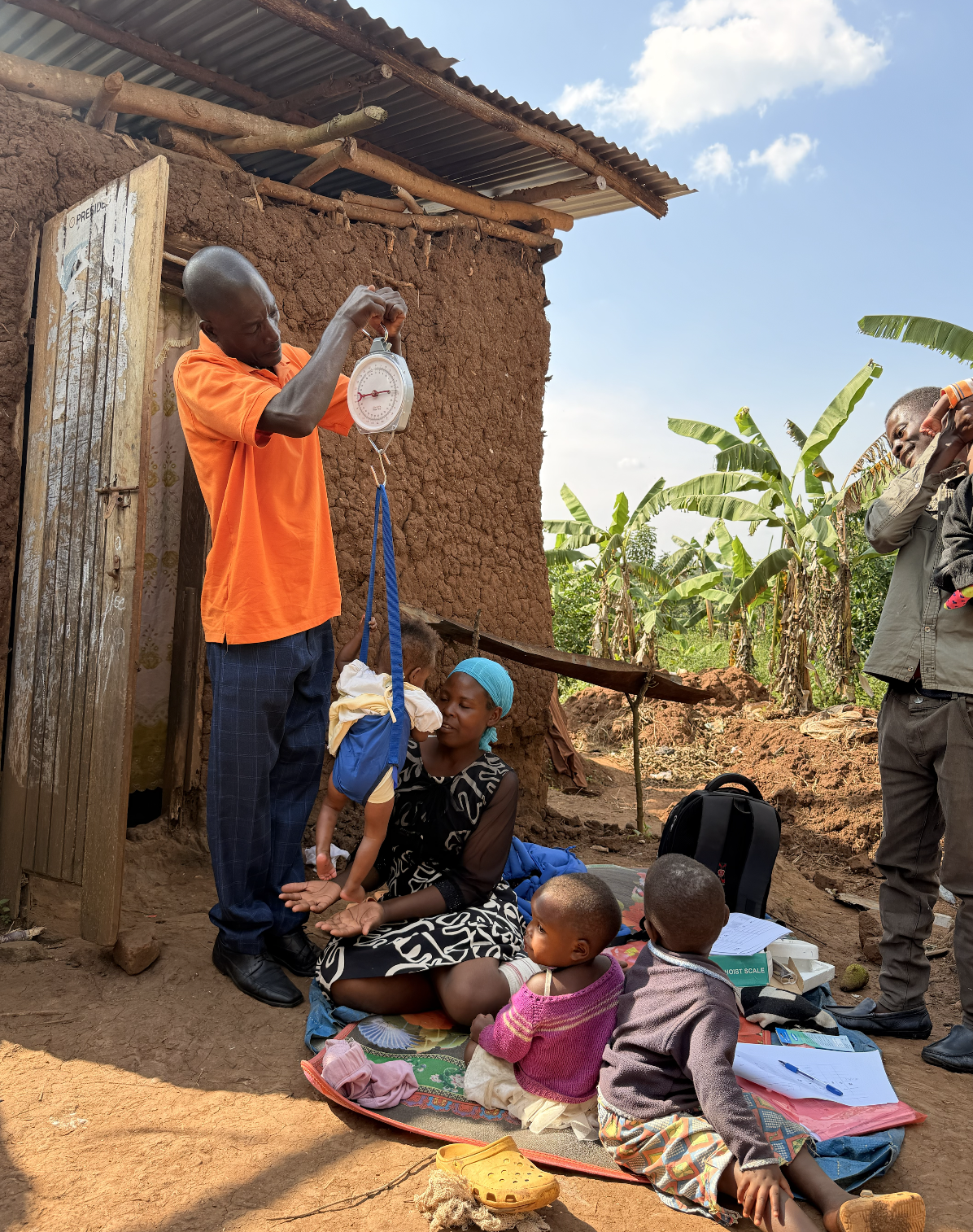
In partnership with Adara, BAMA's Hospital to Home programme bridges the gap between facility-based delivery and the first weeks of life at home. Our trained community health workers follow up with mothers after discharge, providing:
Postnatal check-ins in the first days and weeks after birth
Breastfeeding support, including exclusive breastfeeding education
Newborn danger sign recognition and rapid referral pathways
Kangaroo mother care for low-birth-weight and premature babies
Early childhood development guidance from birth to three years
NEONATAL INTENSIVE CARE: SAVING THE MOST VULNERABLE NEWBORNS
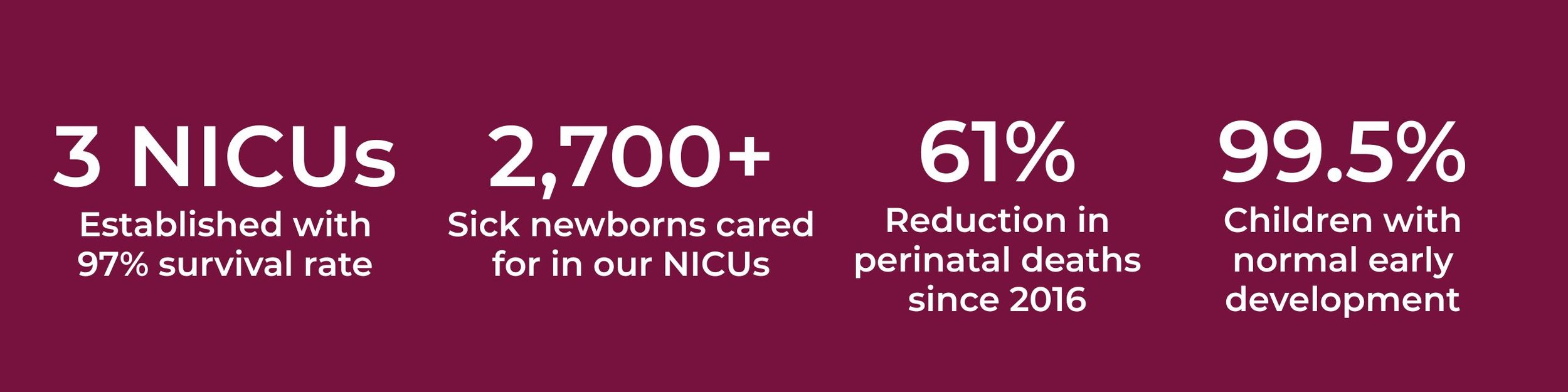
BAMA has established three Neonatal Intensive Care Units (NICUs) at district hospitals and a Health Centre IV in the Masaka region. These are the only specialist newborn care facilities many families in this area have ever had access to.
Our NICUs have achieved a 97% newborn survival rate — a remarkable outcome in one of the most under-resourced healthcare settings in the world. Of the 2,700+ sick newborns admitted since opening, 99% have been discharged alive.
NICU Services Include:
Care for premature and low-birth-weight babies
Treatment for birth asphyxia, neonatal sepsis, and jaundice
Oxygen therapy and phototherapy
Training for healthcare workers in essential newborn care
Family-centred care that keeps mothers involved in their baby's recovery
ADOLESCENT MOTHERS & THEIR BABIES
One in four women in Uganda gives birth before the age of 19. Young mothers and their babies face heightened risks in the postnatal period — from complications of obstructed labour to postpartum depression and challenges with infant feeding.
Through our Mama Ambassador Programme, we provide monthly peer support groups for over 1,300 adolescent mothers. These sessions focus on practical newborn care skills, play and communication for early development, and identifying when to seek help.