One Million More Midwives: Reflections from the International Day of Midwives Symposium 2026
In early May 2026, International Day of Midwives Symposium 2026 brought together some of the most committed voices in maternal and newborn health. Under the powerful theme “One Million More Midwives,” the symposium created space for practitioners, researchers, policymakers, and advocates to reflect on one central truth: midwives are not just part of the system — they are the system. Over 500 midwives gathered in Moroto ahead of the International Day of the Midwife celebrations.
For Babies and Mothers Alive (BAMA), this was more than a conference. It was a moment to showcase what becomes possible when midwives are trusted, trained, and empowered to lead.
A Strong BAMA Presence
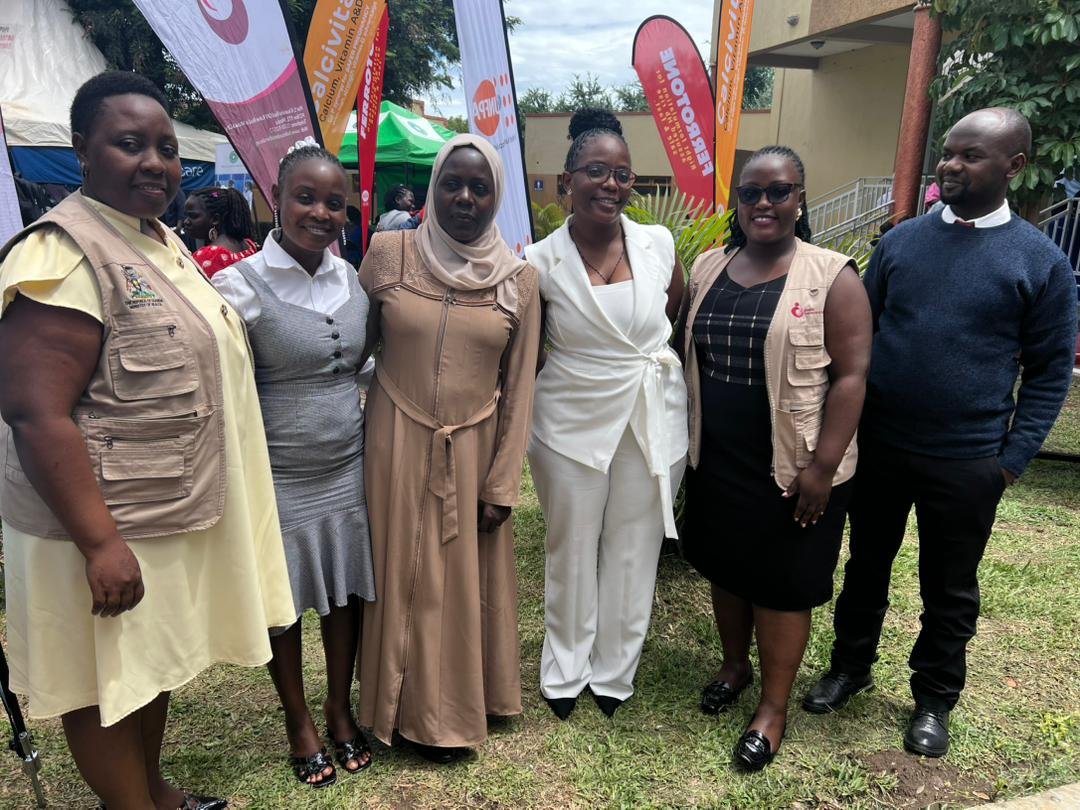
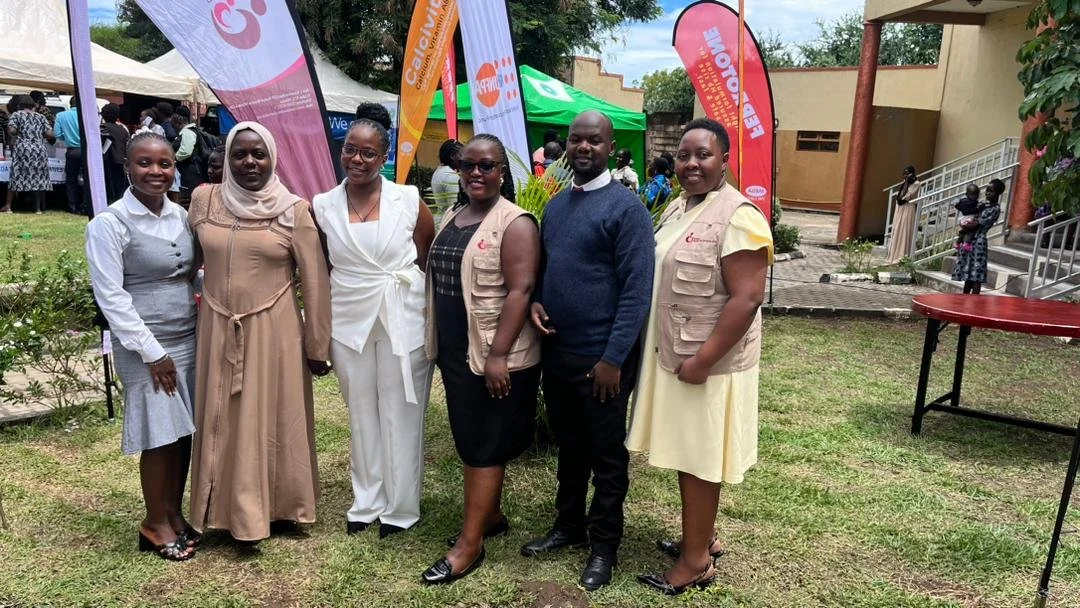
BAMA was proudly represented by six team members, each contributing to the growing evidence base that midwife-led models can transform outcomes at scale.
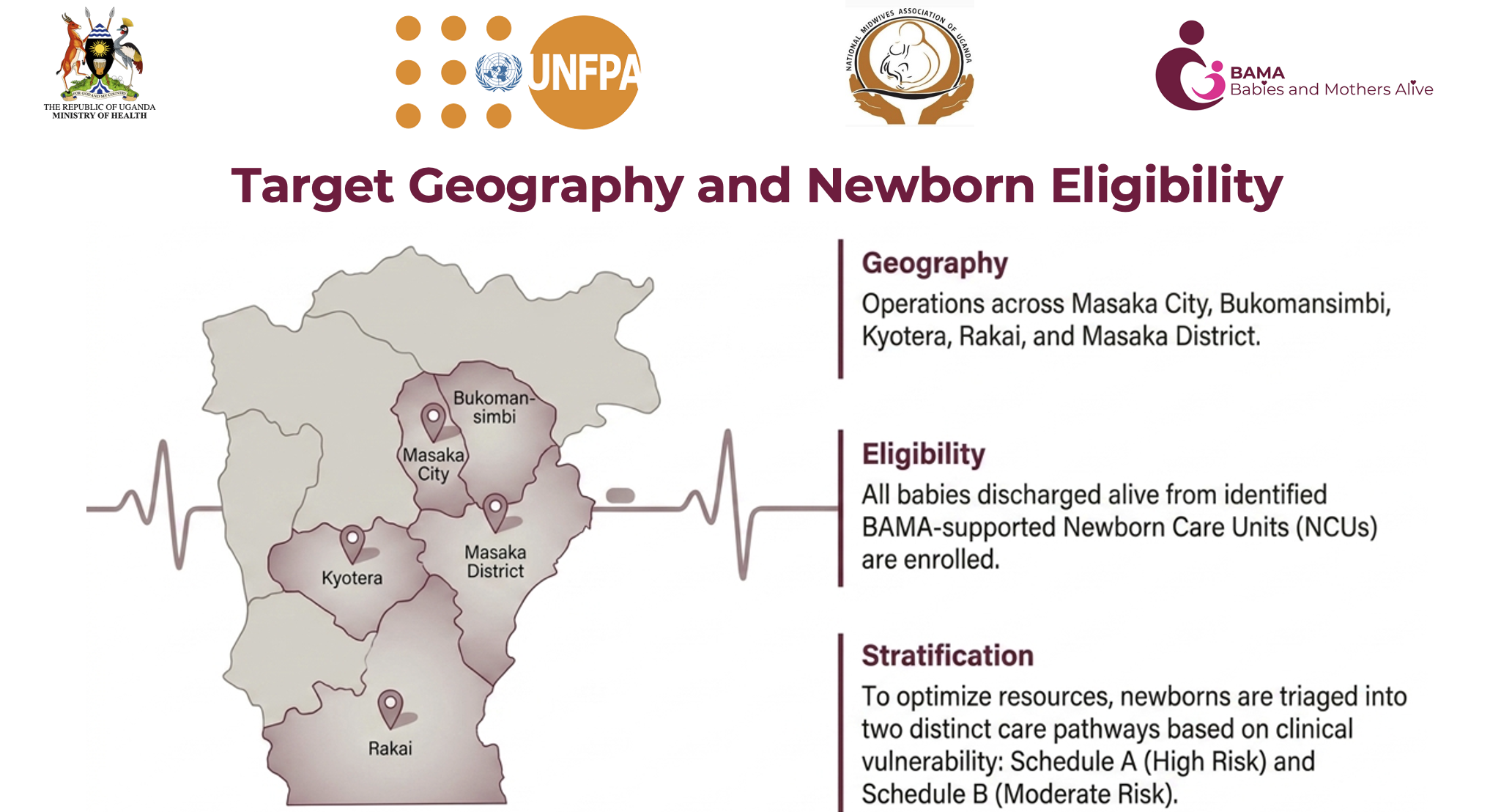
From post-discharge care to neonatal intensive care expansion, the team shared practical, field-tested approaches from Greater Masaka — demonstrating how systems strengthening can work in real-world settings.
Midwives as the Link Between Hospital and Home
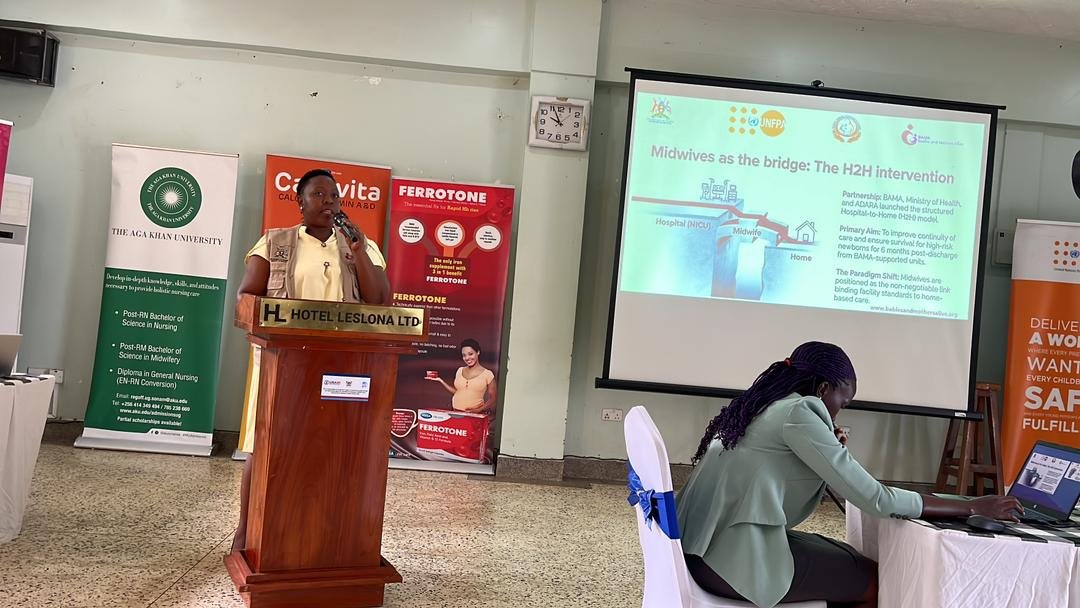
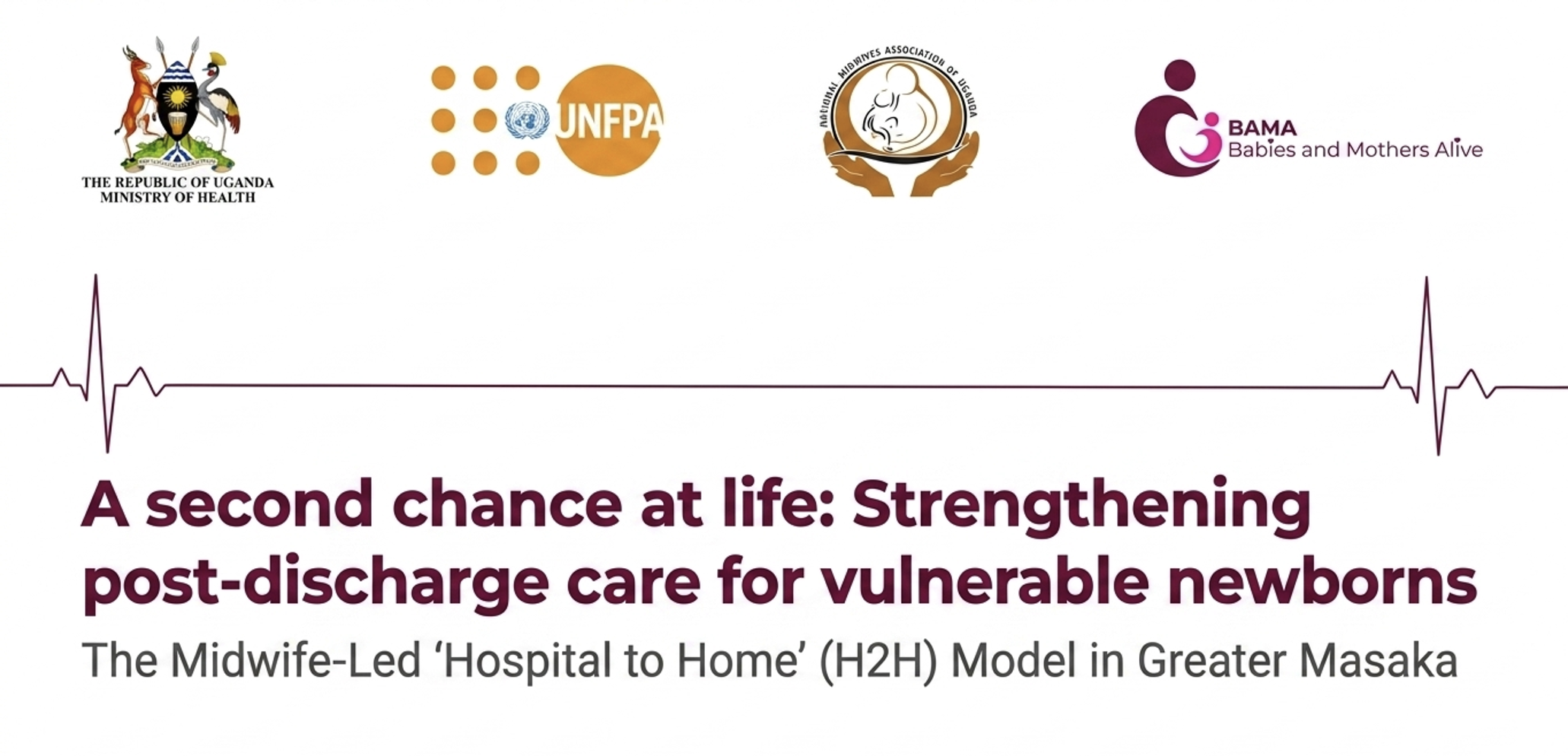
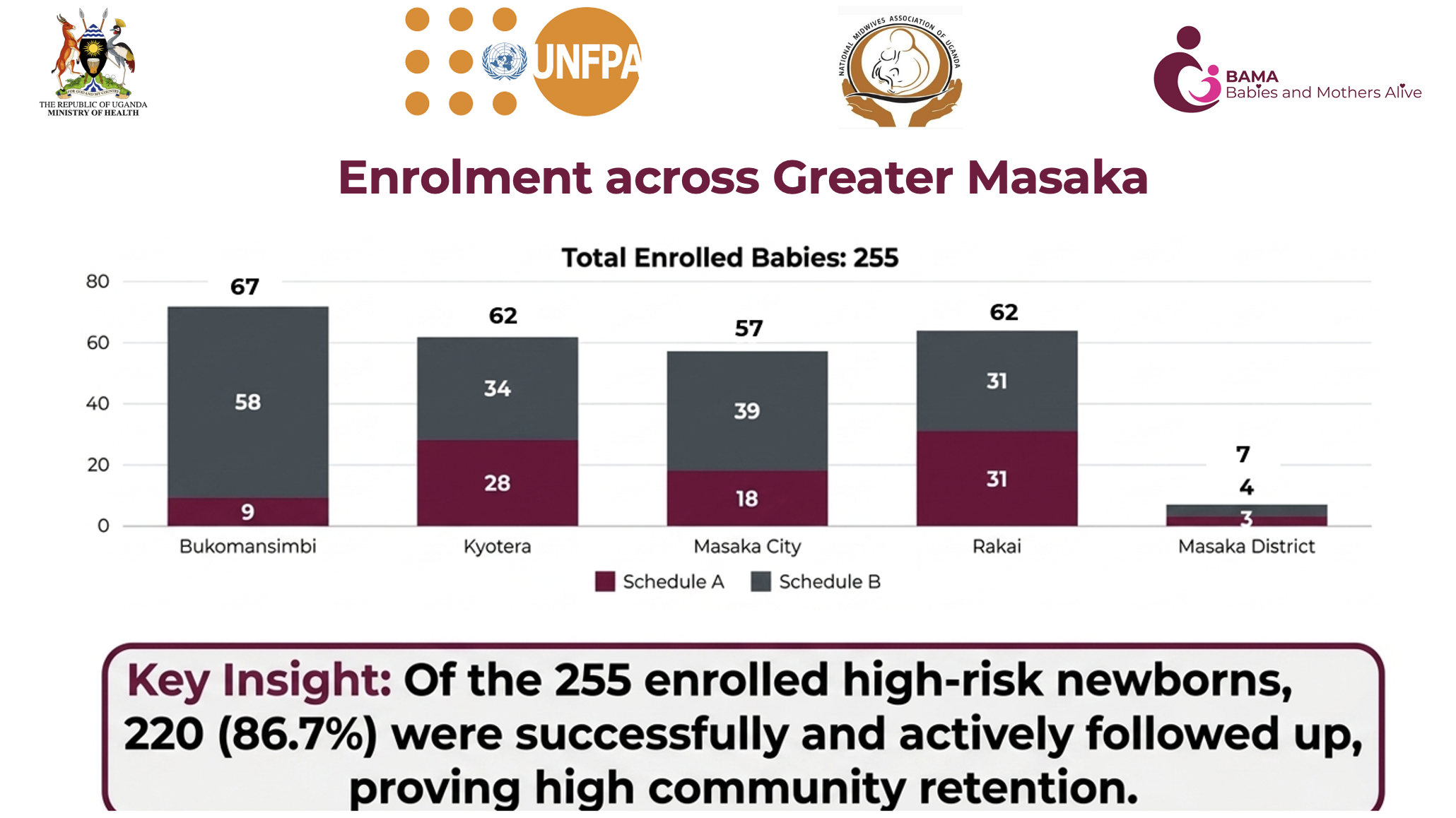
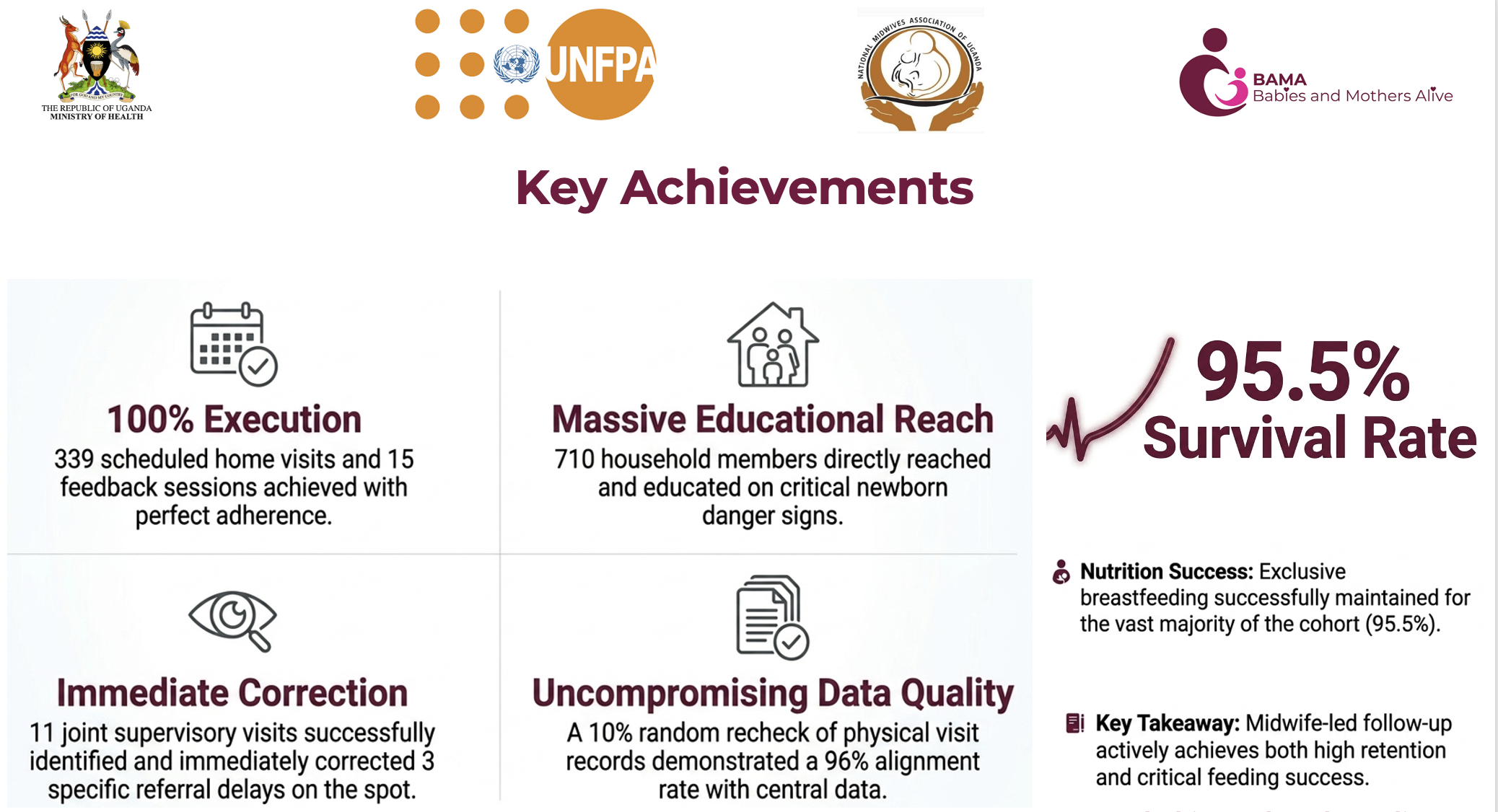
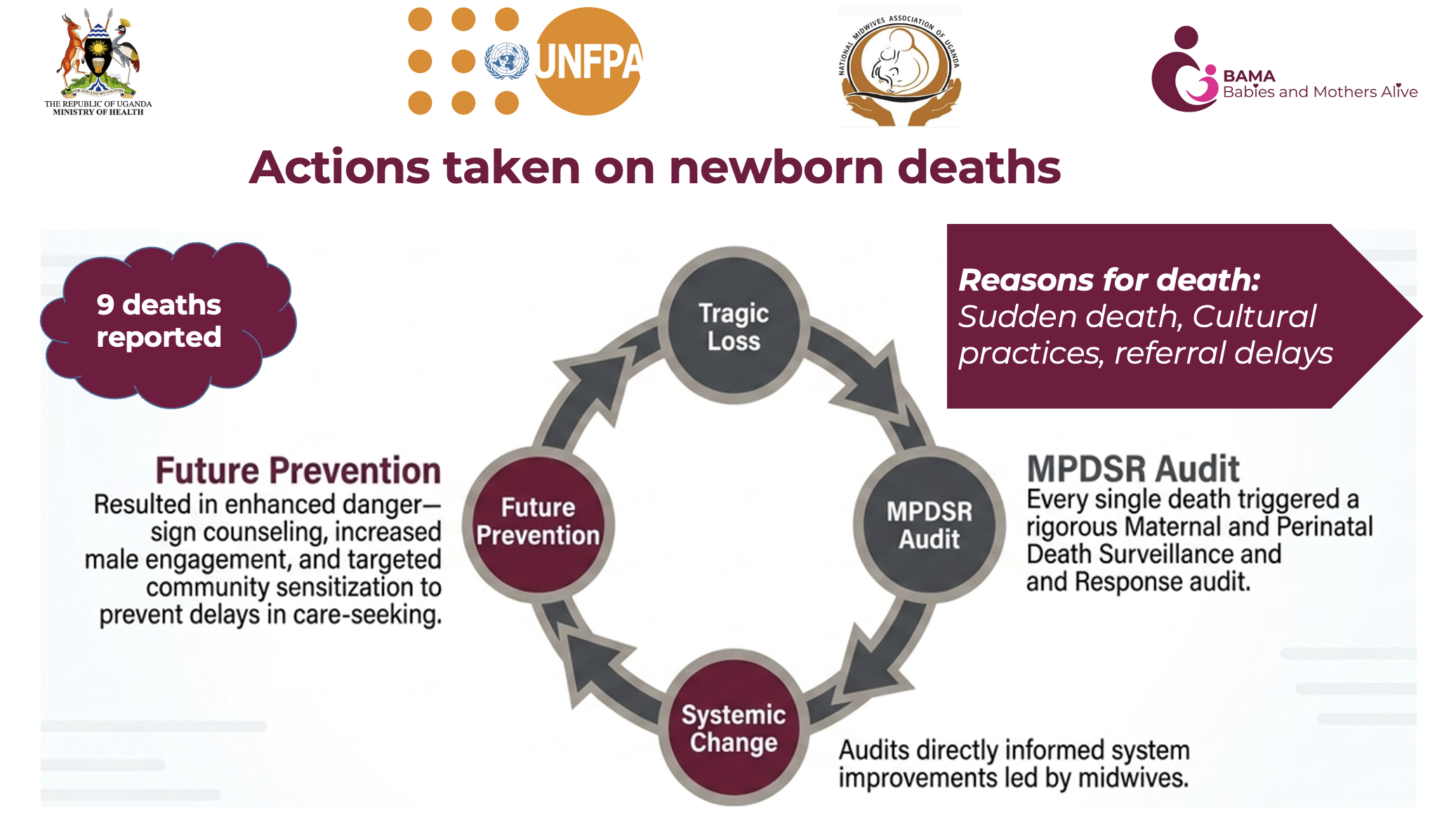
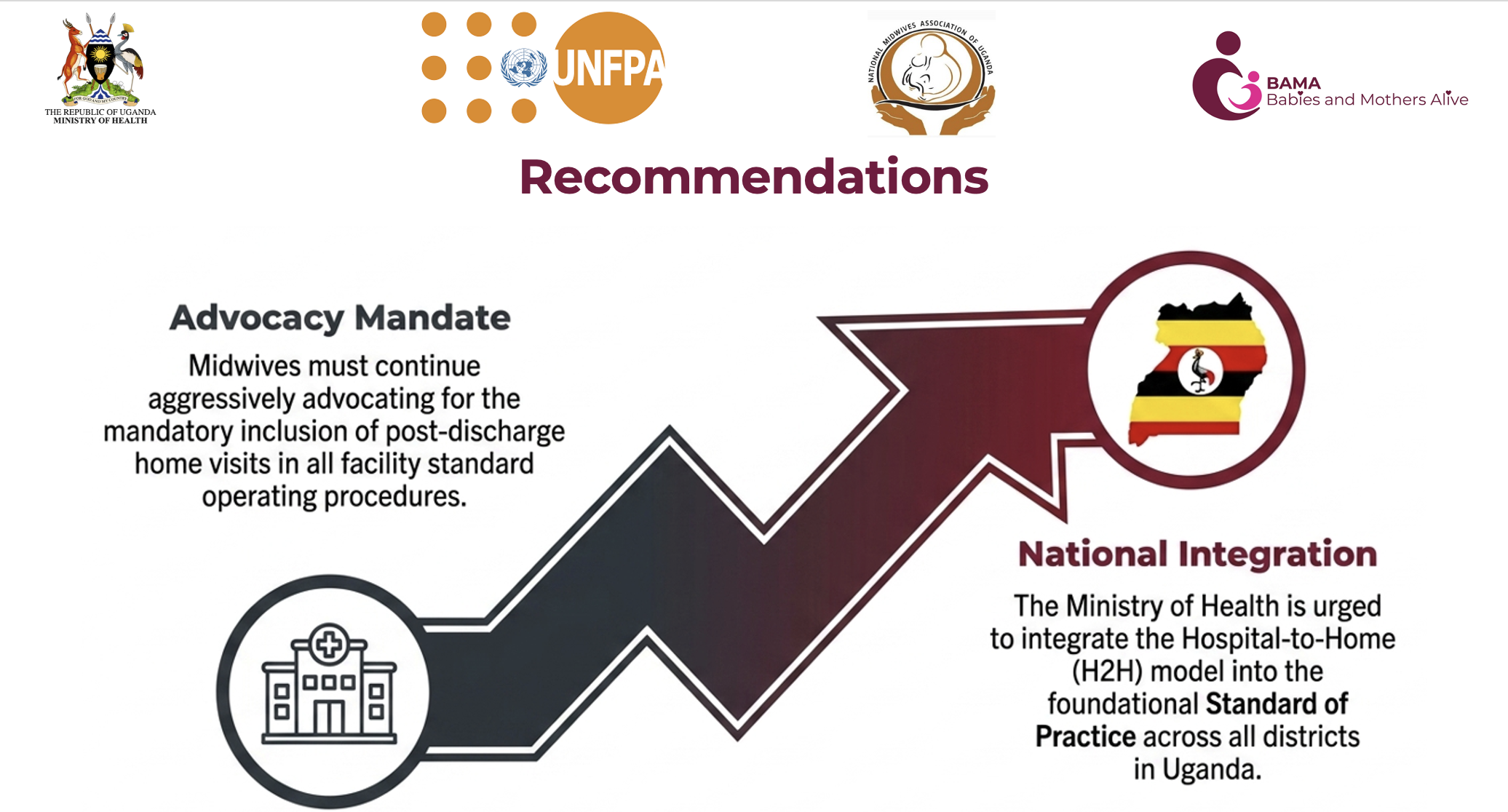
During the opening plenary, Rose Kahangire presented: “A Second Chance at Life: Strengthening Post-Discharge Care for Vulnerable Newborns Using the Midwife-Led Hospital-to-Home Model in Greater Masaka.”
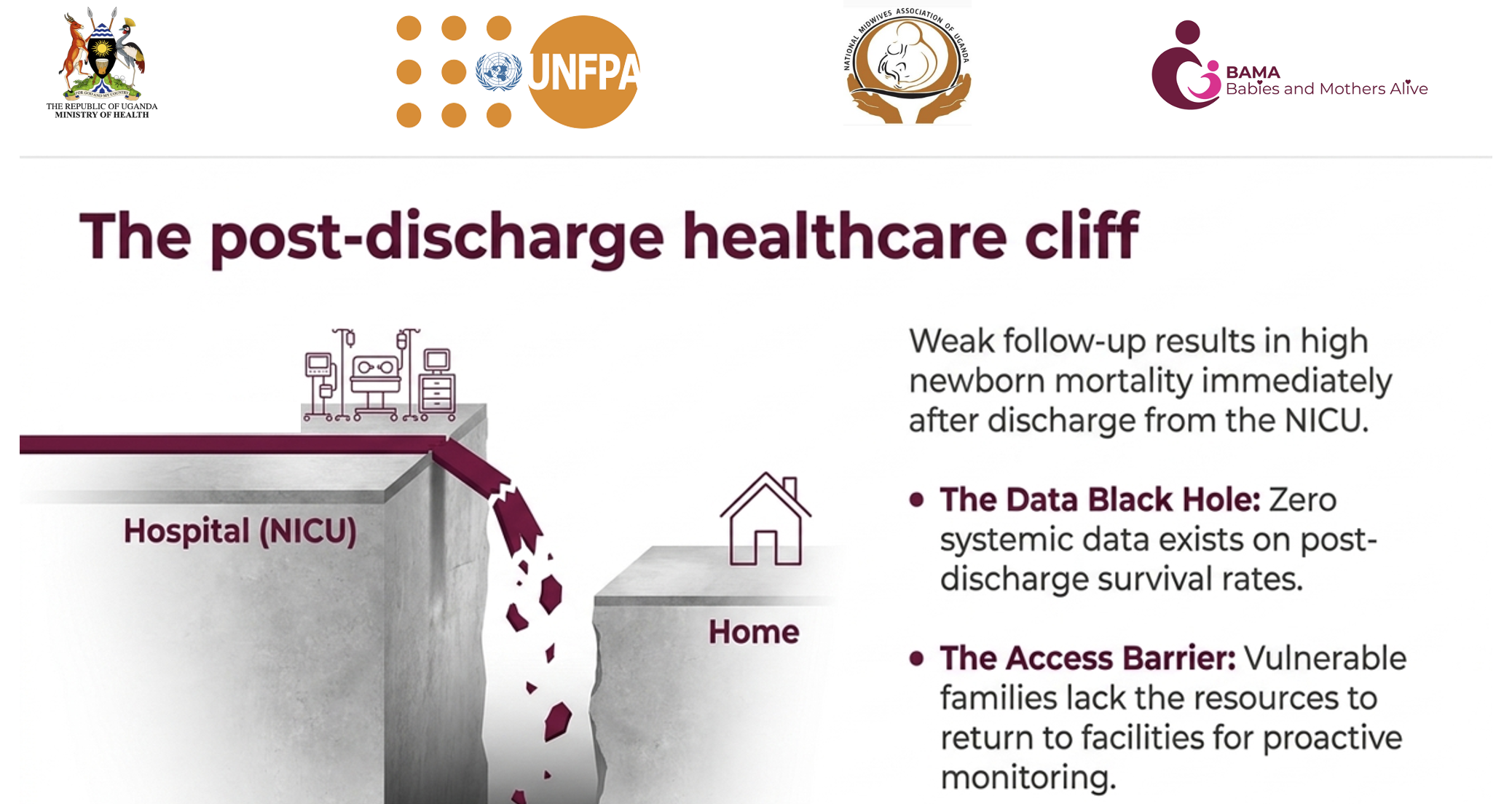
Her presentation highlighted a critical, often overlooked gap: what happens after a newborn leaves the hospital.
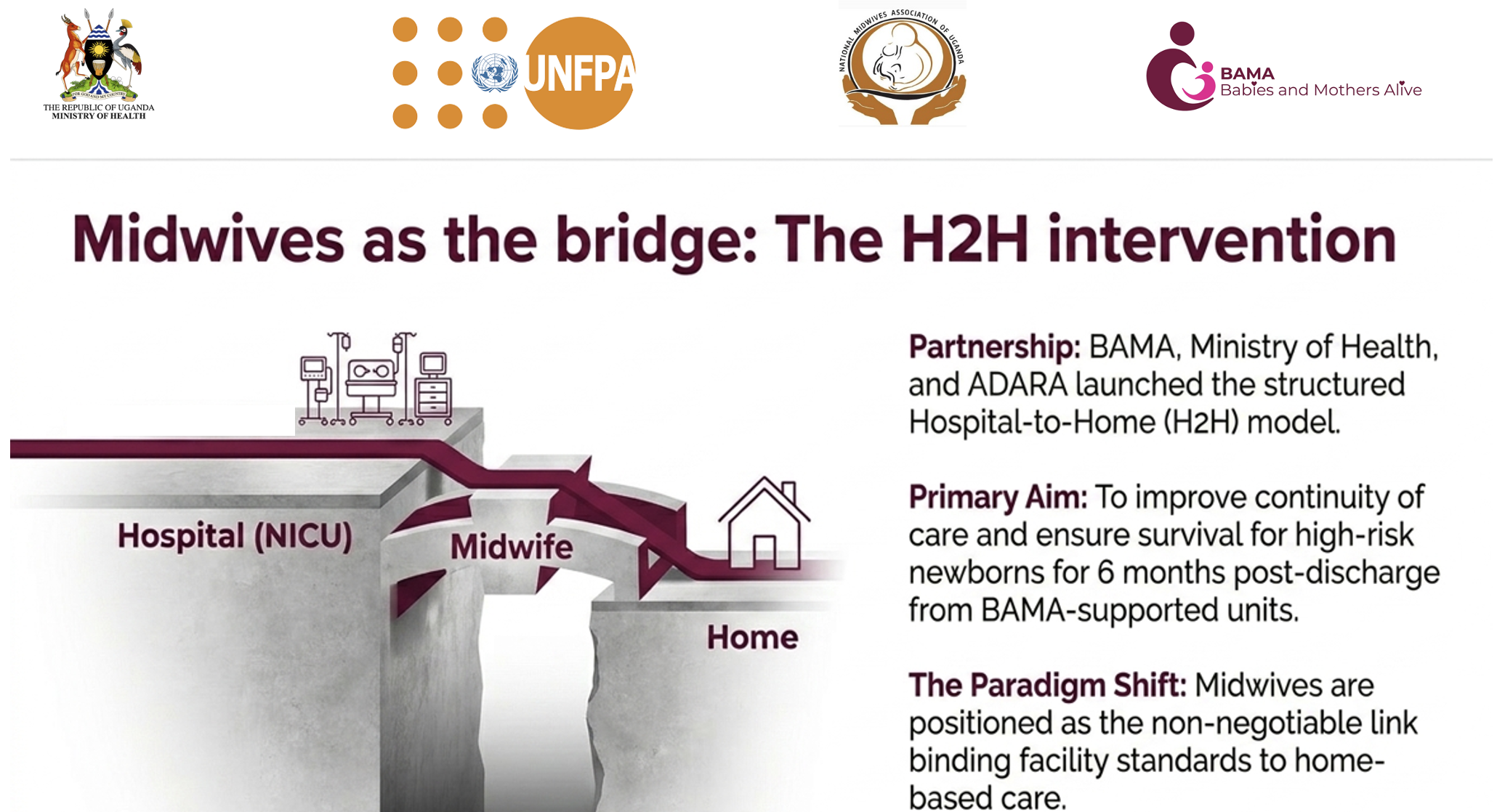
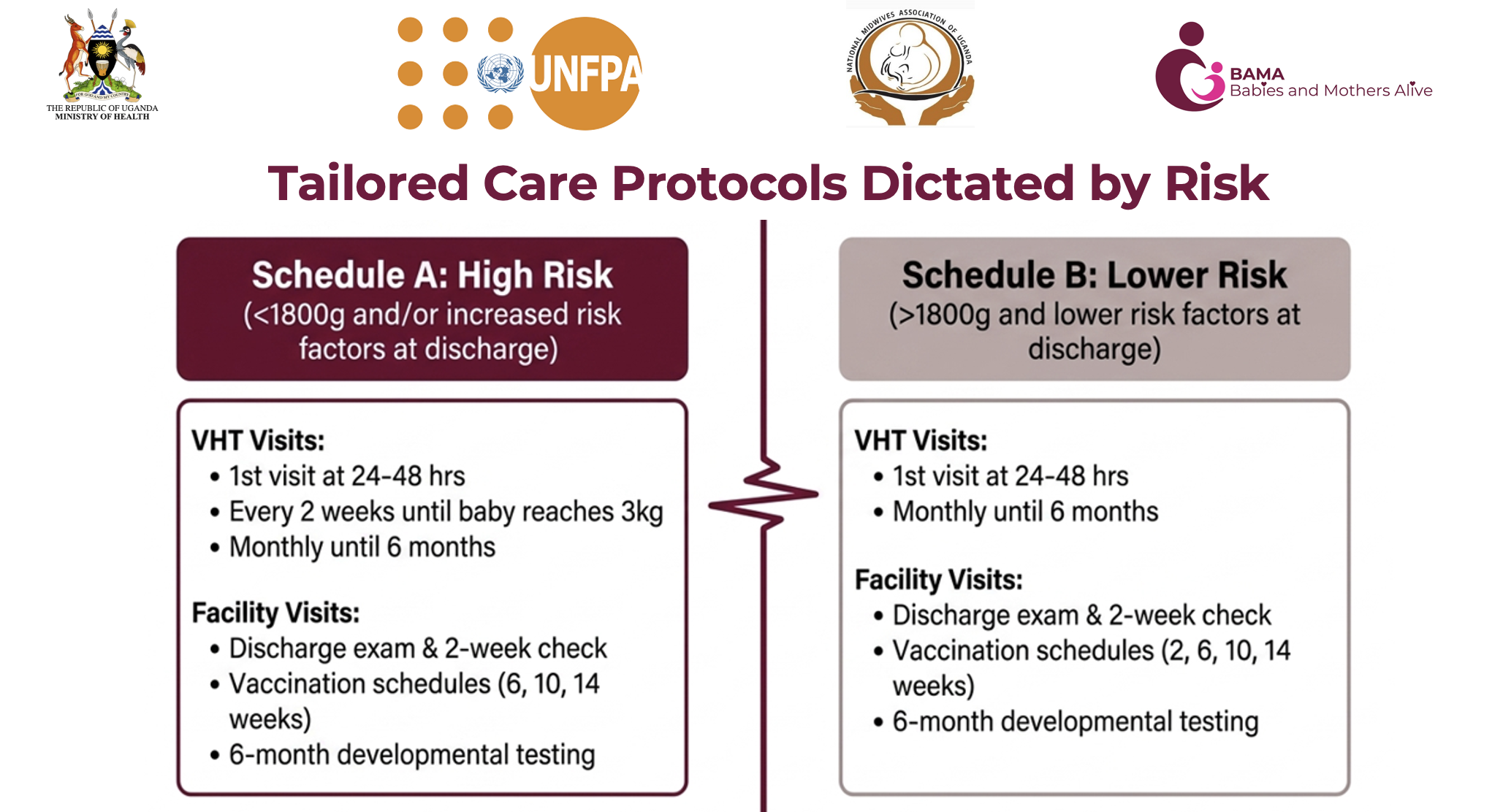
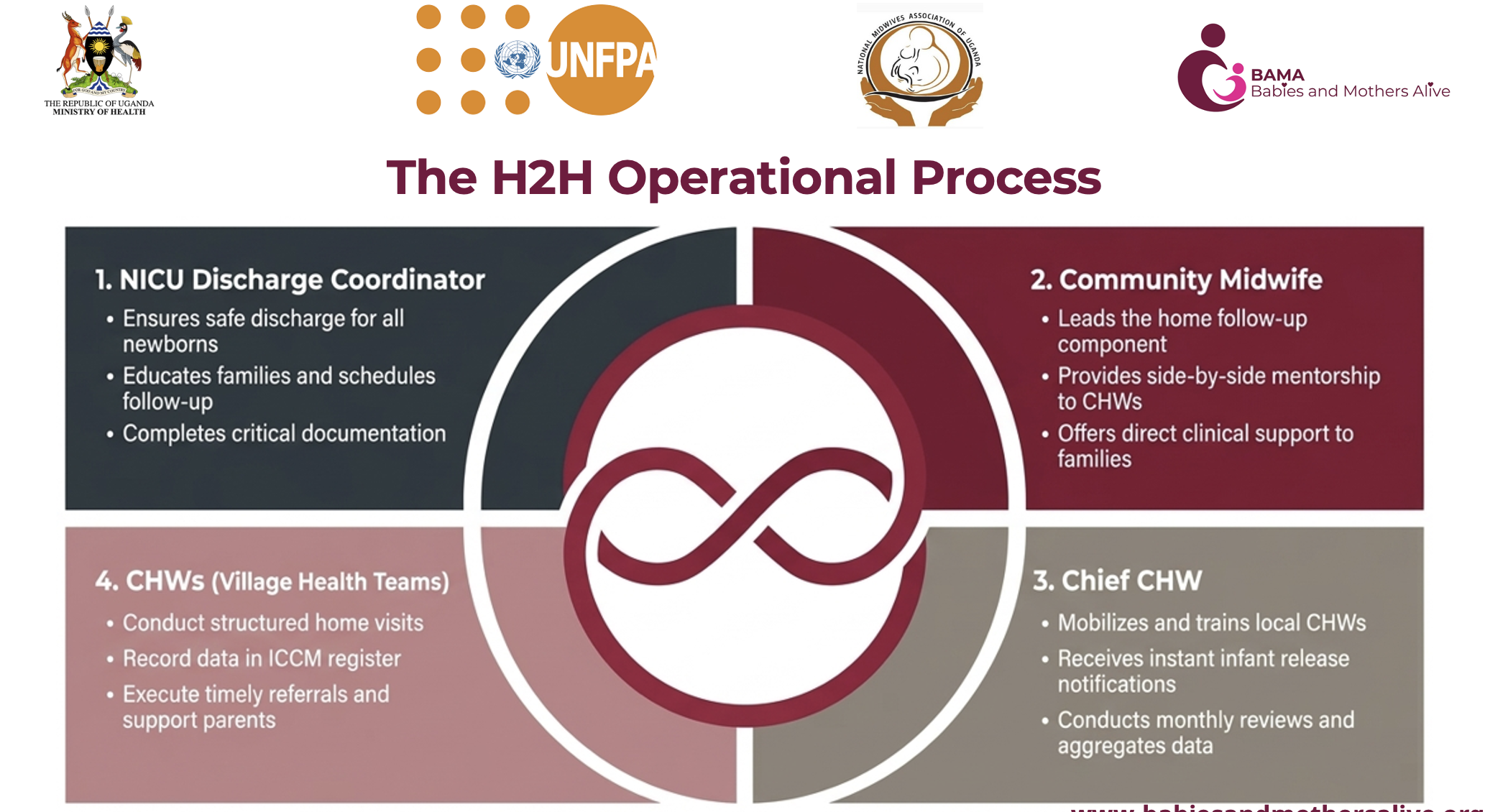
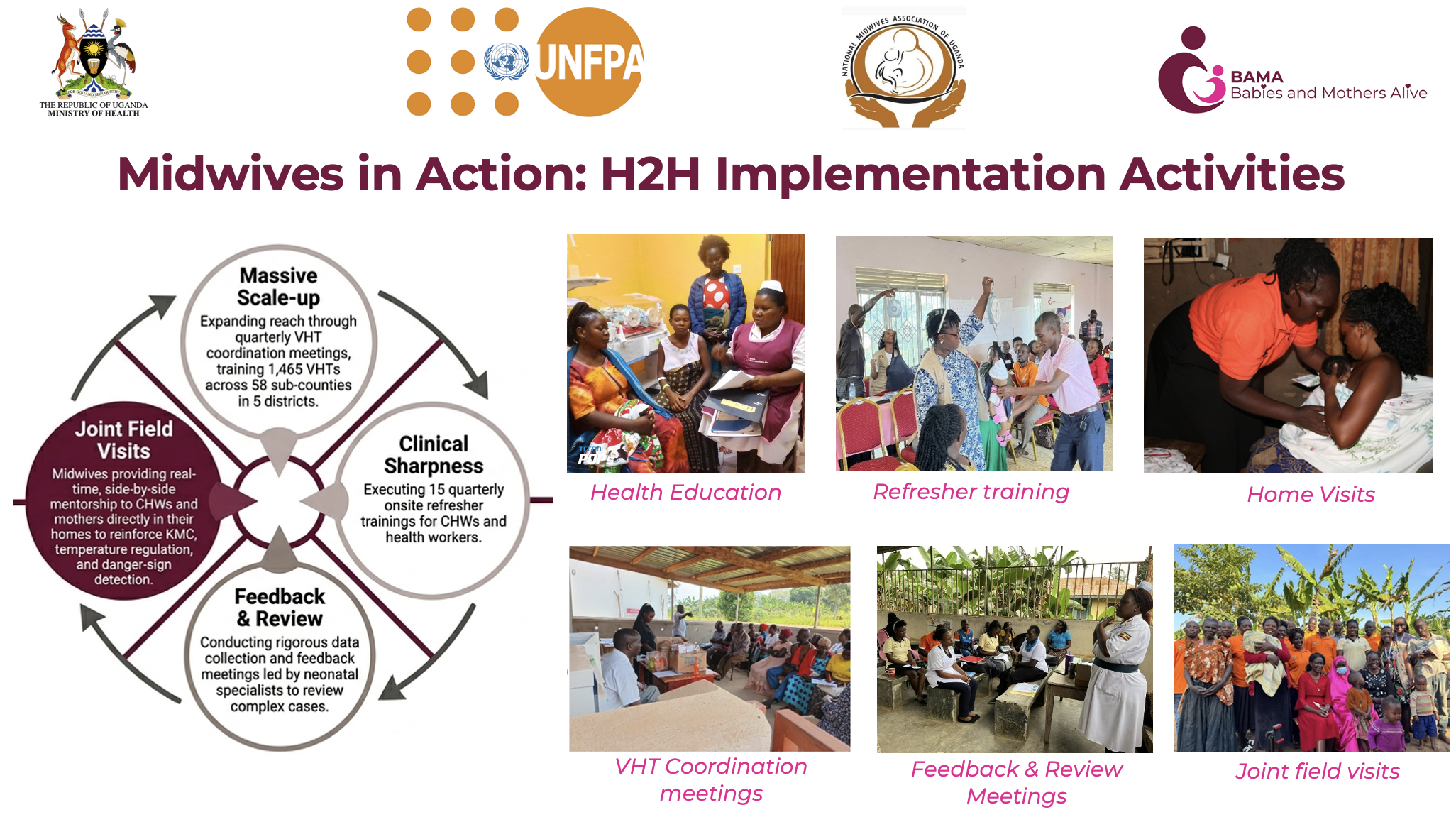
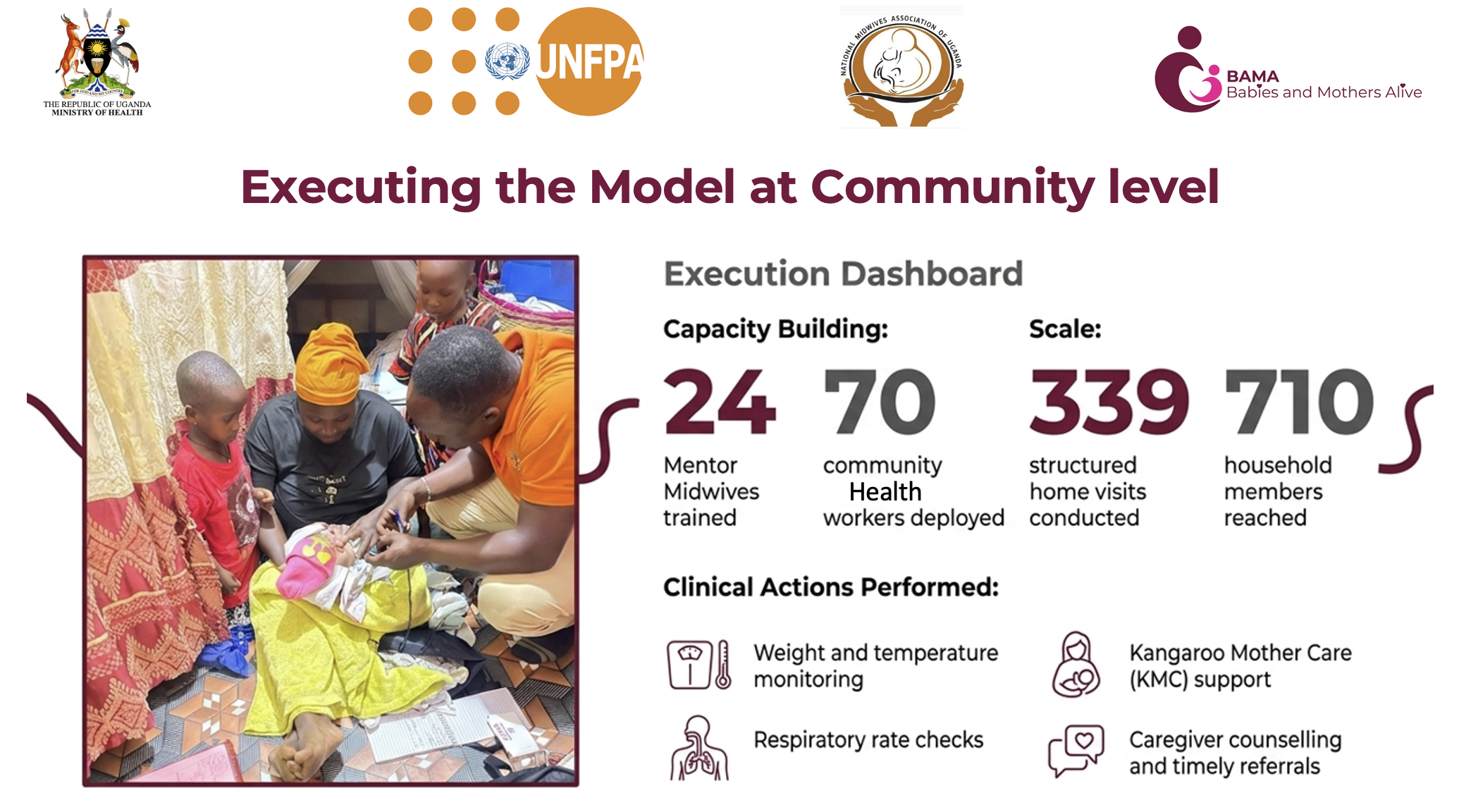
Through BAMA’s Hospital-to-Home (H2H) model, midwives extend care beyond facility walls — ensuring that vulnerable newborns continue to receive follow-up, monitoring, and support at home. The results are clear:
Improved continuity of care
Early identification of complications
Stronger trust between families and the health system
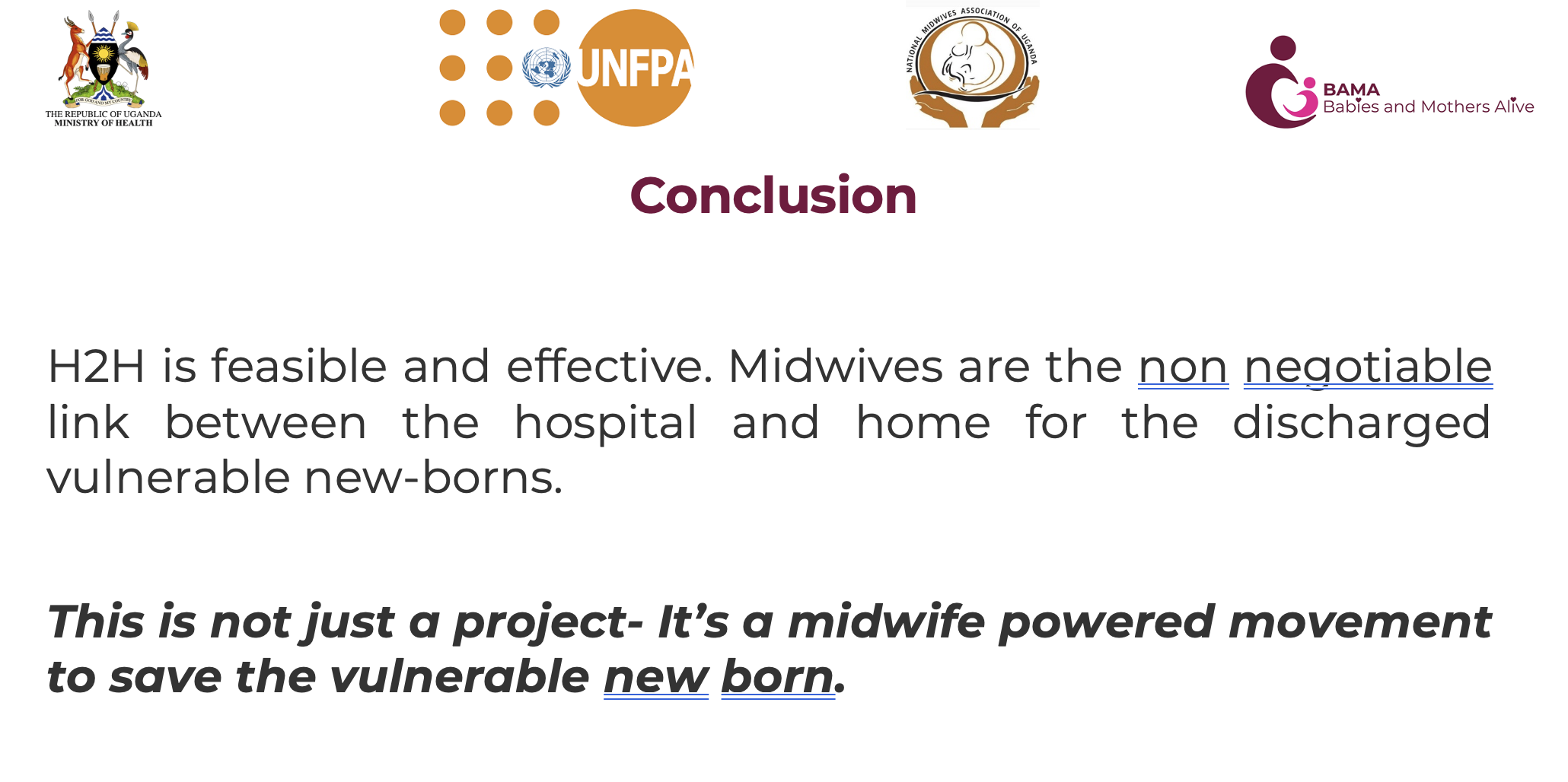
At its core, the model reinforces a simple but powerful idea: midwives are the non-negotiable link between clinical care and community health.
Building Skills That Save Lives
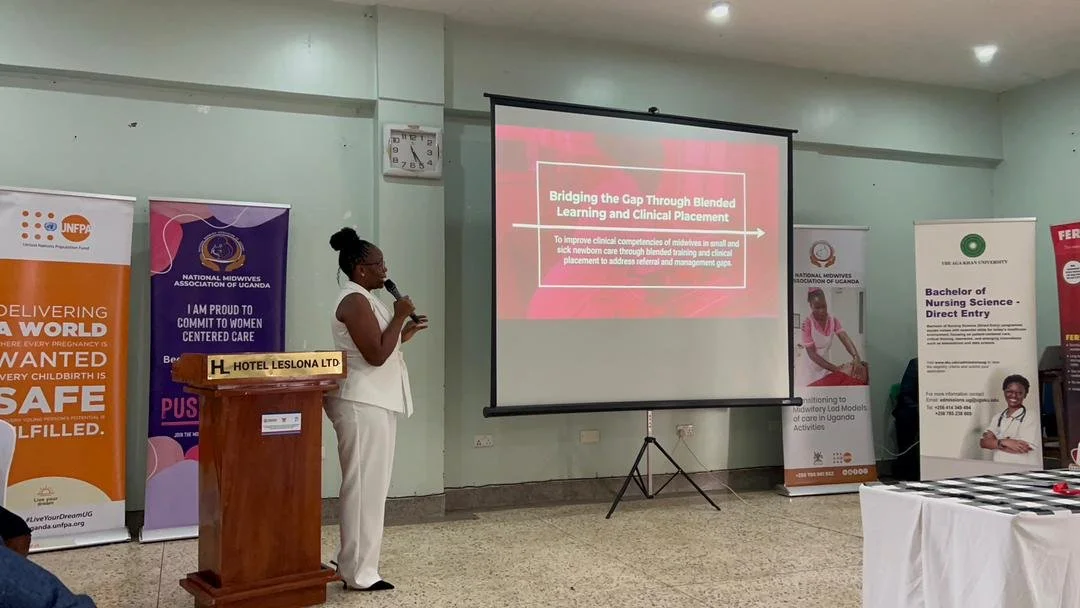
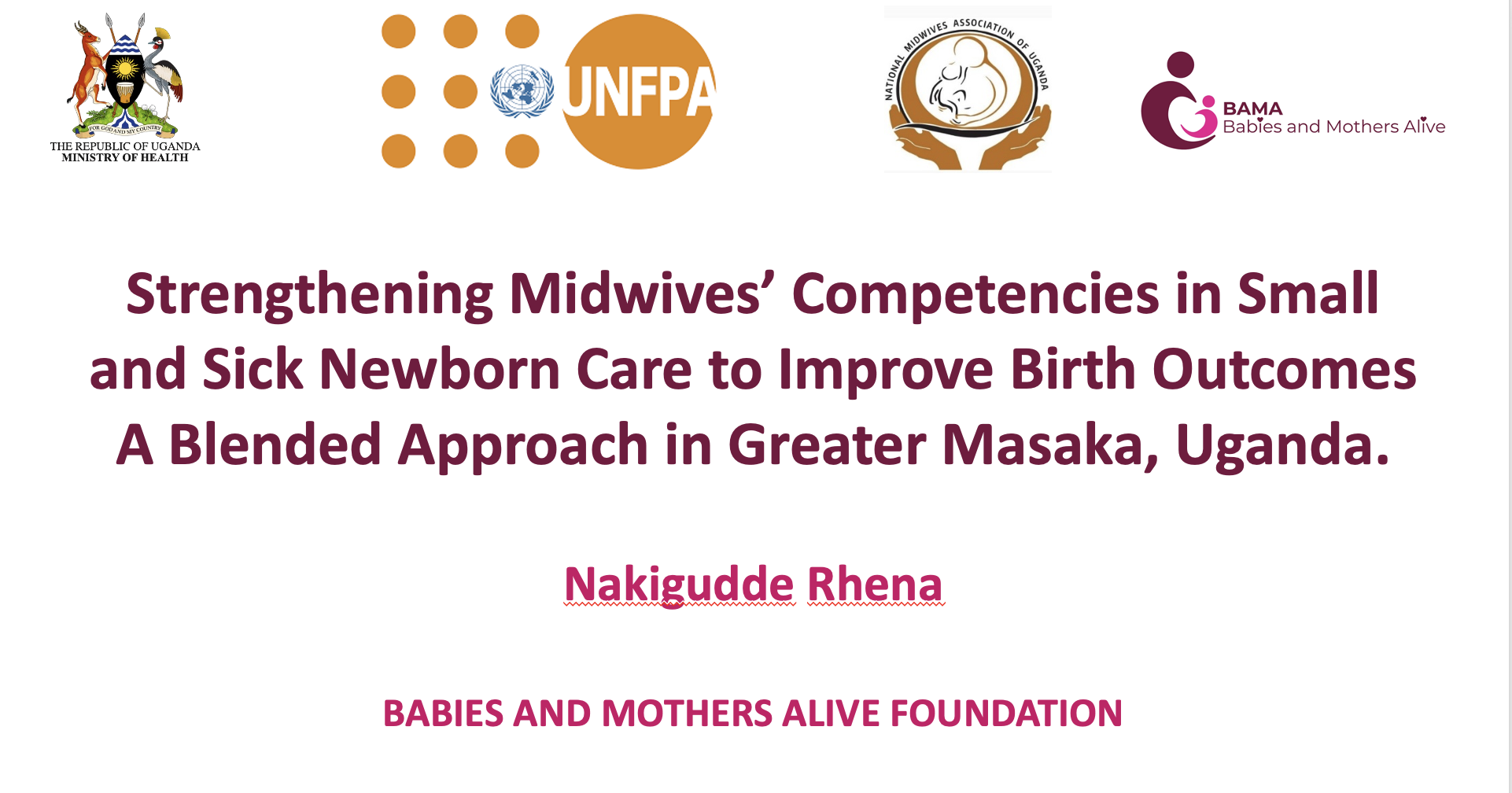
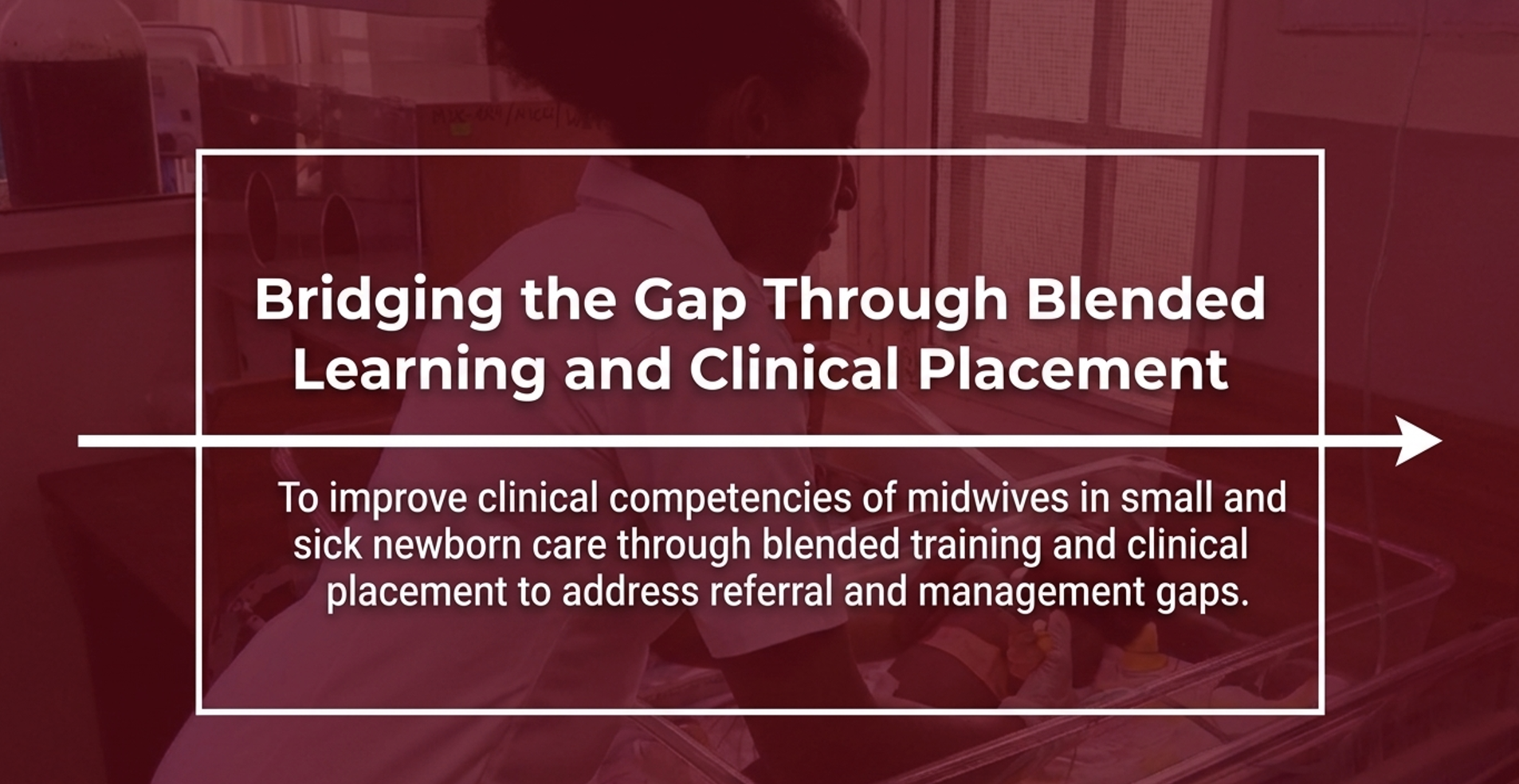
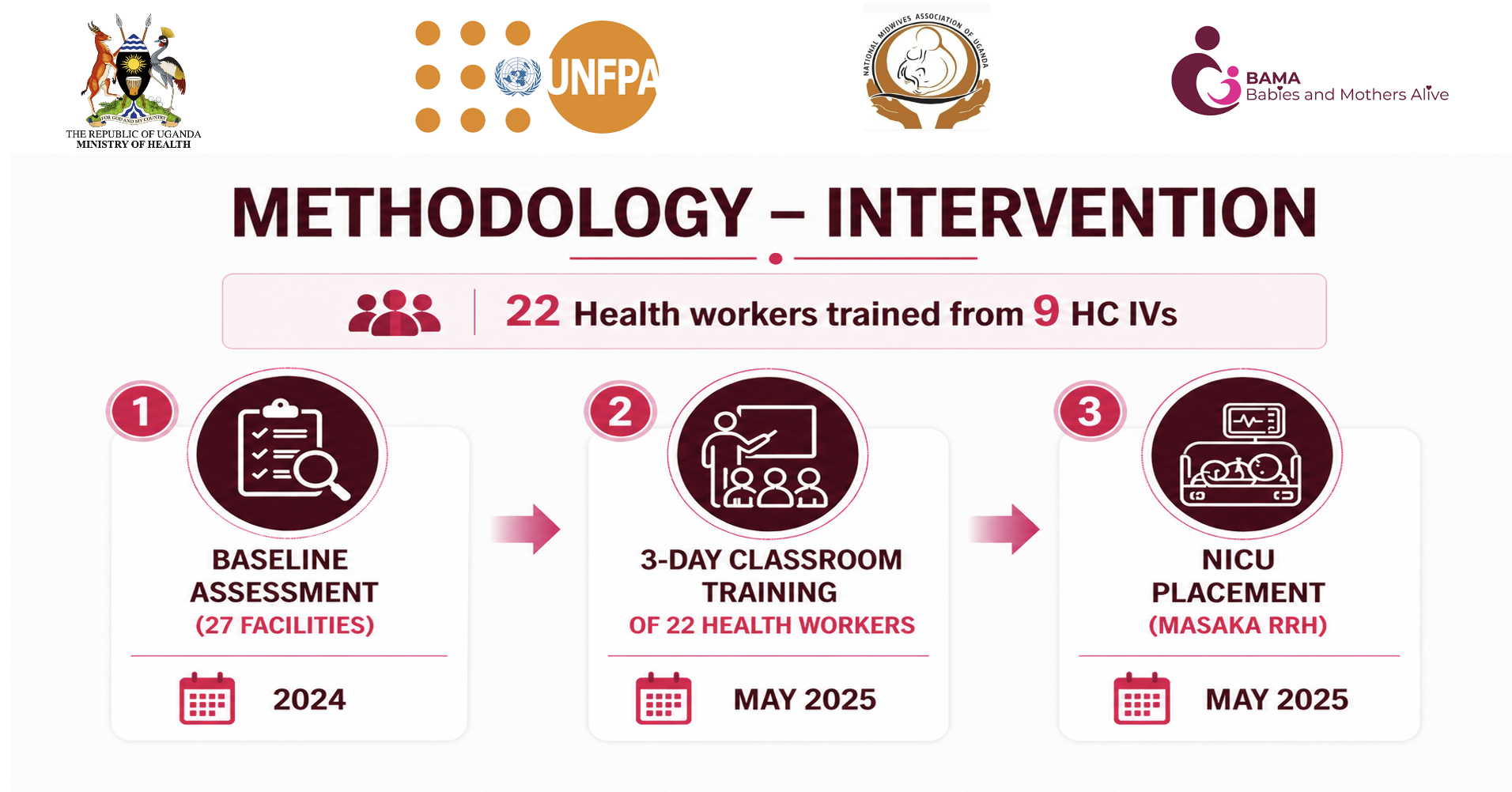
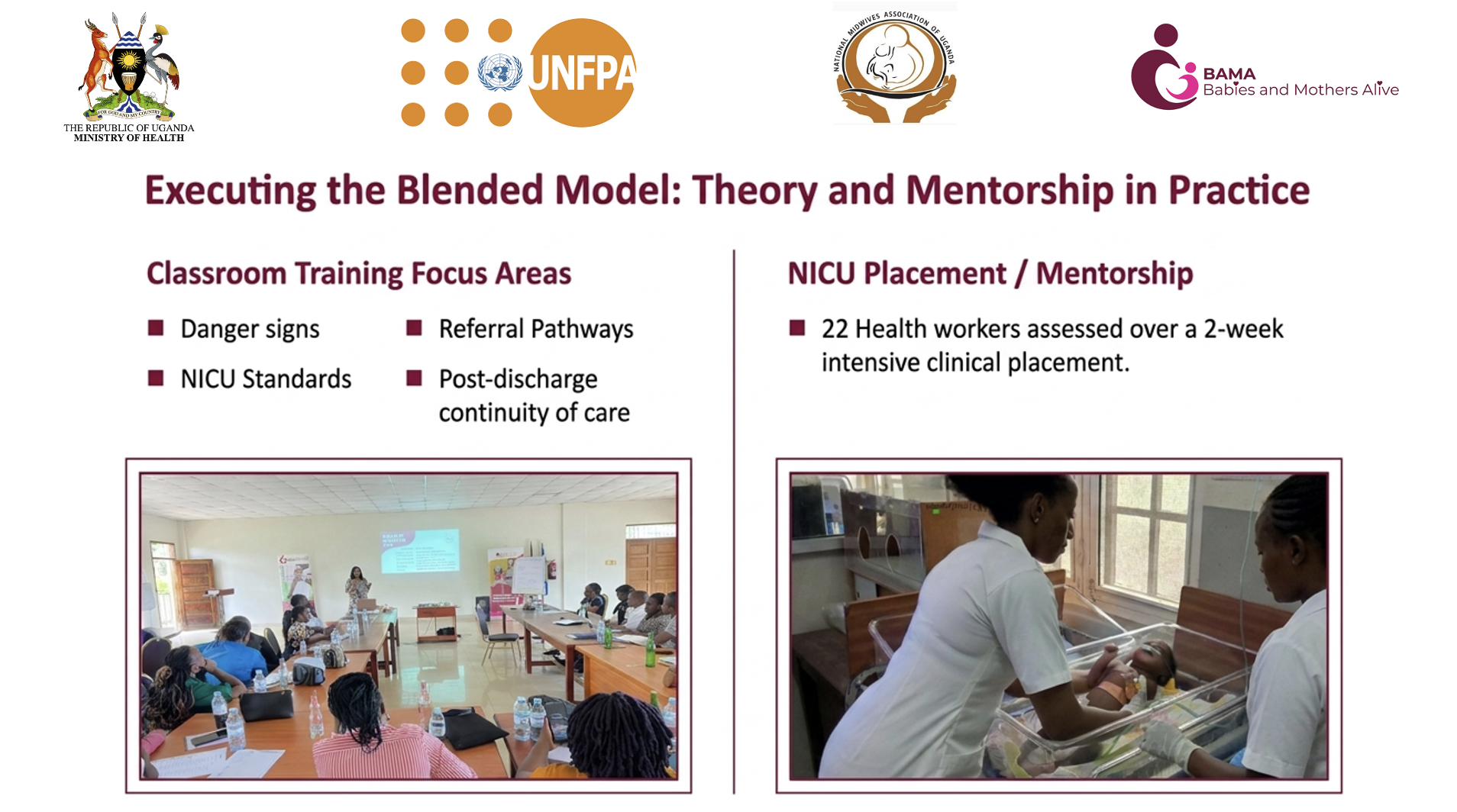
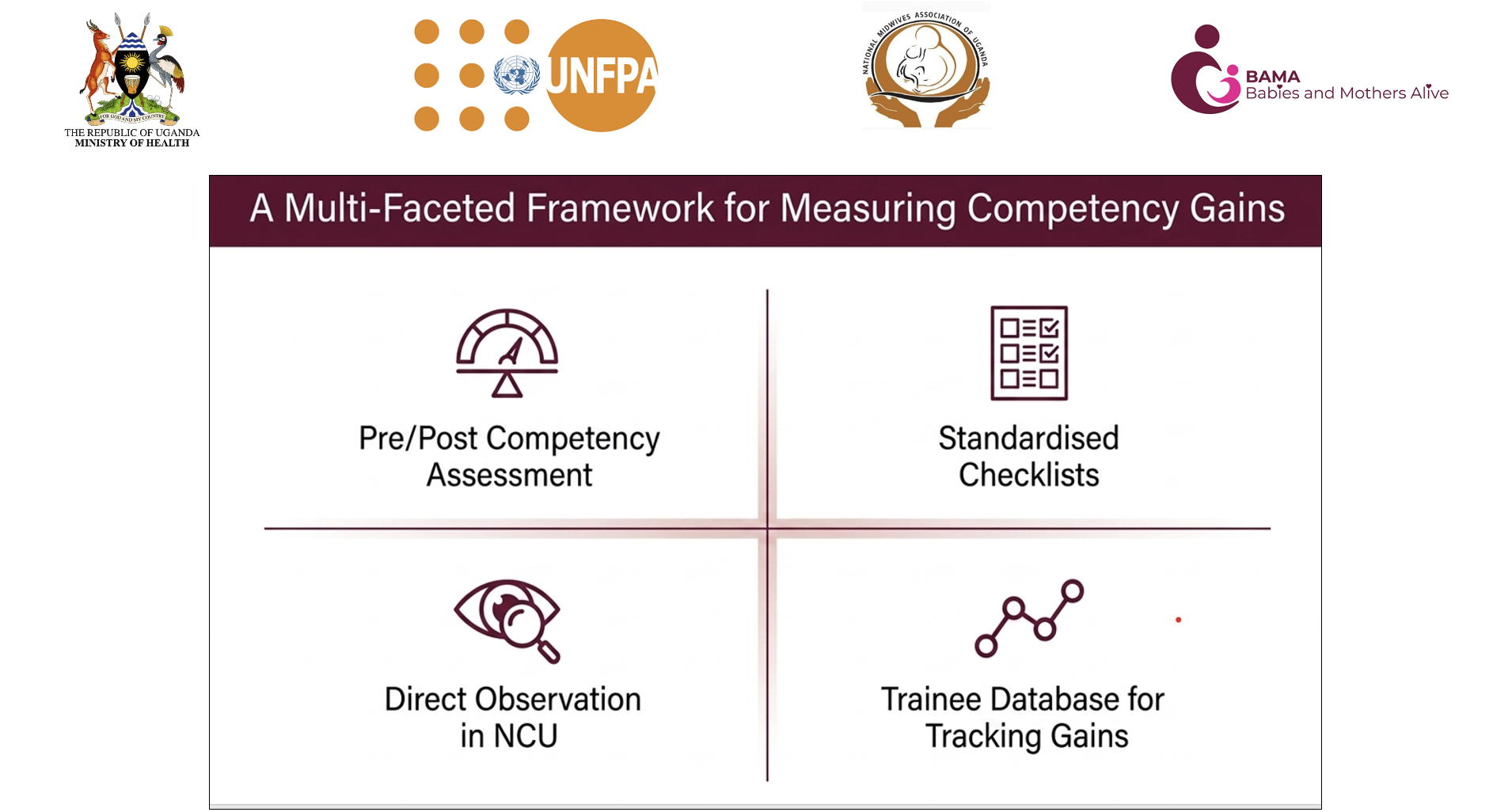
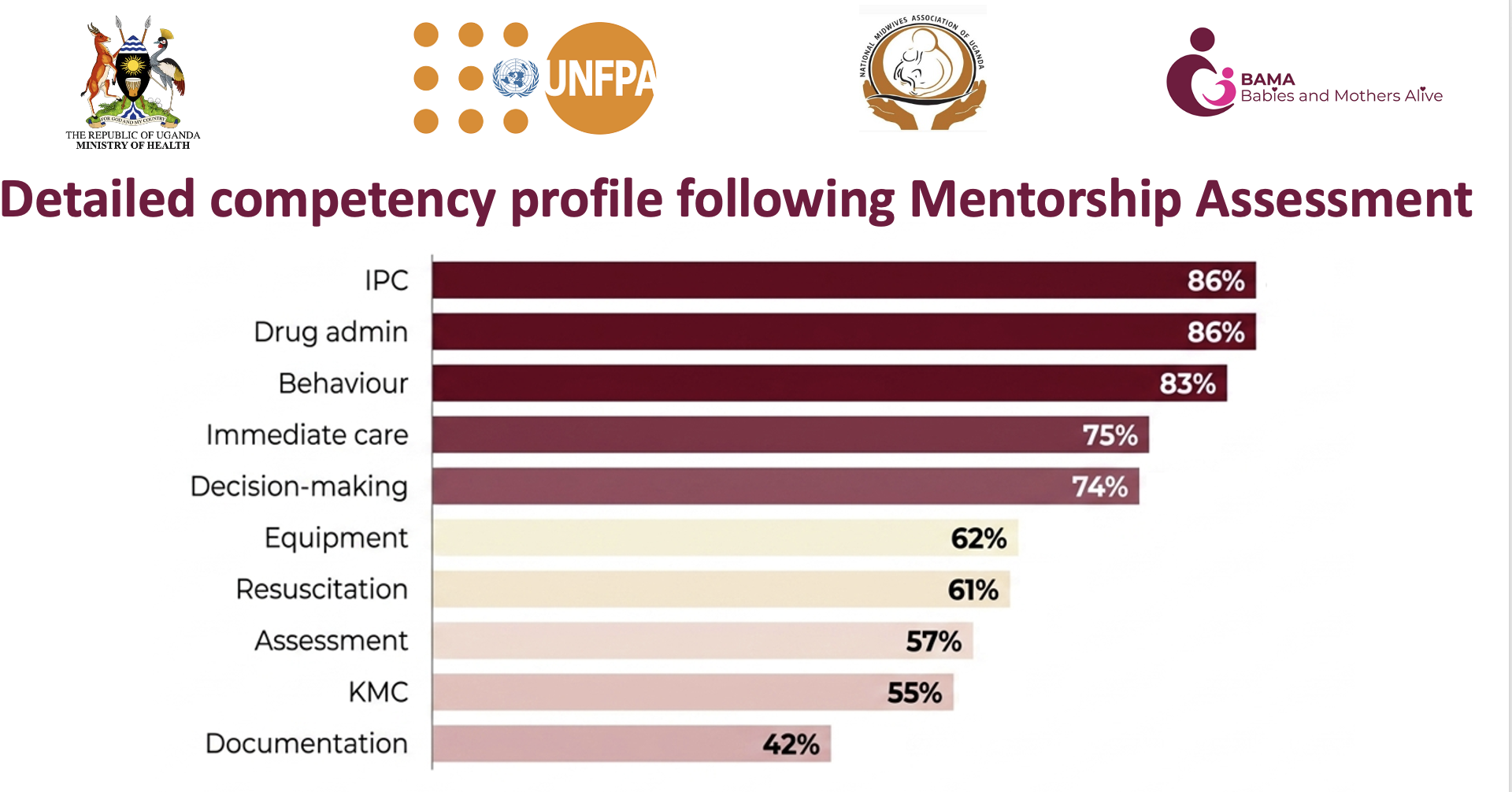
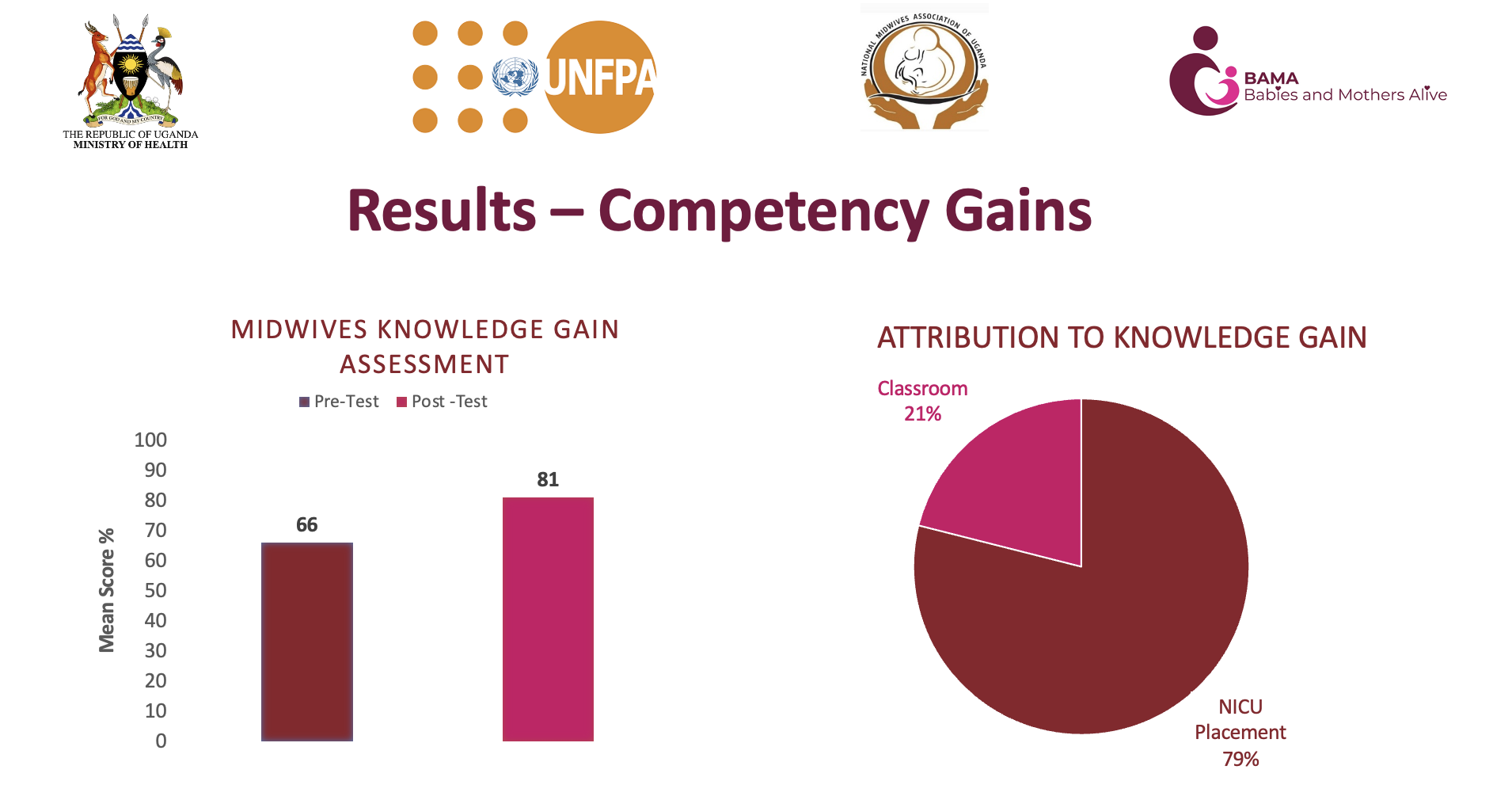
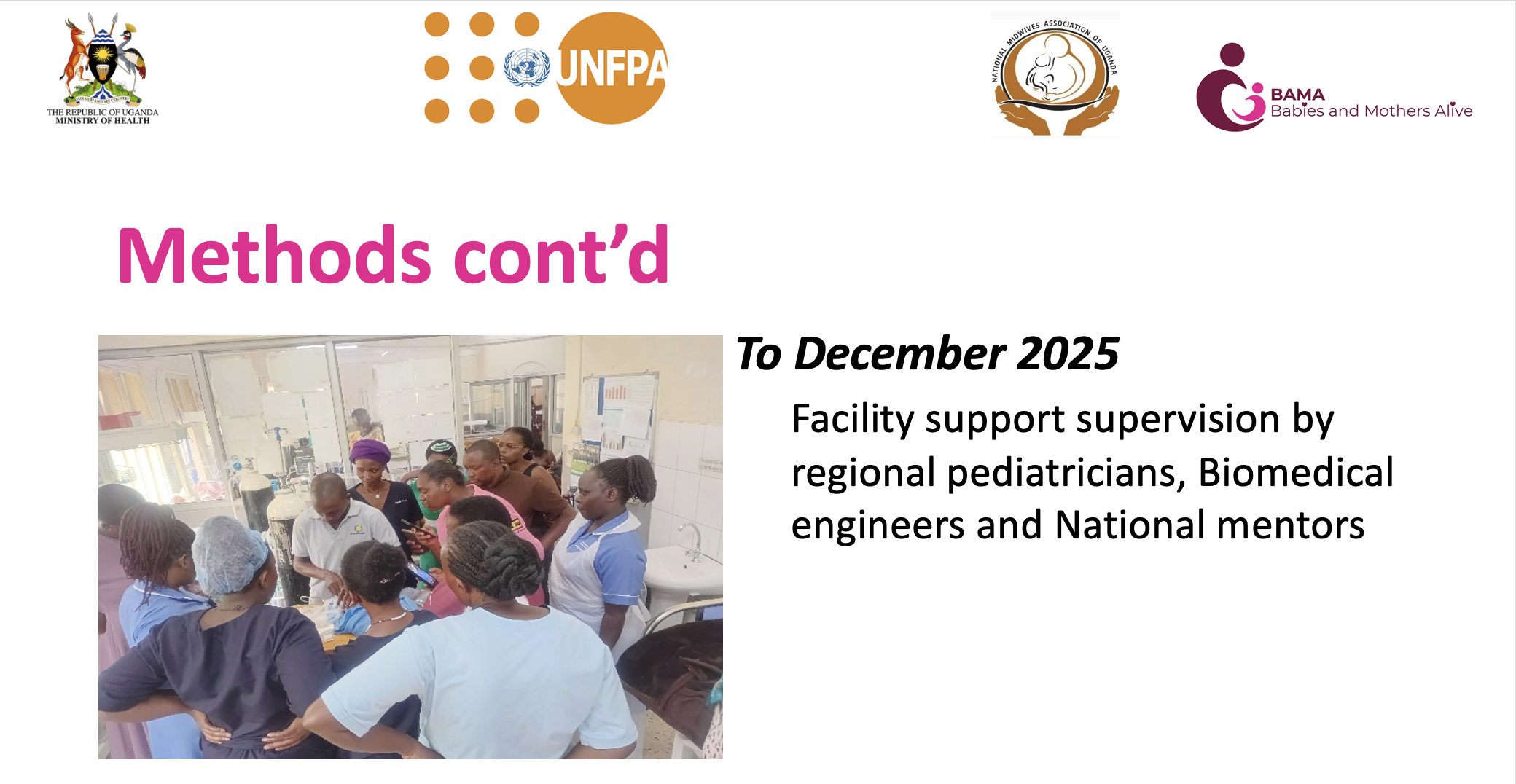
Rhena Nakigudde focused on strengthening midwives’ competencies in caring for small and sick newborns through a blended learning approach.
Her work emphasised:
Combining in-person mentorship with practical, on-the-job training
Building confidence alongside technical skills
Translating knowledge directly into improved clinical outcomes
The approach recognises that training alone is not enough — competency must be built, reinforced, and sustained within real clinical environments.
From One NICU to Seven: Scaling What Works
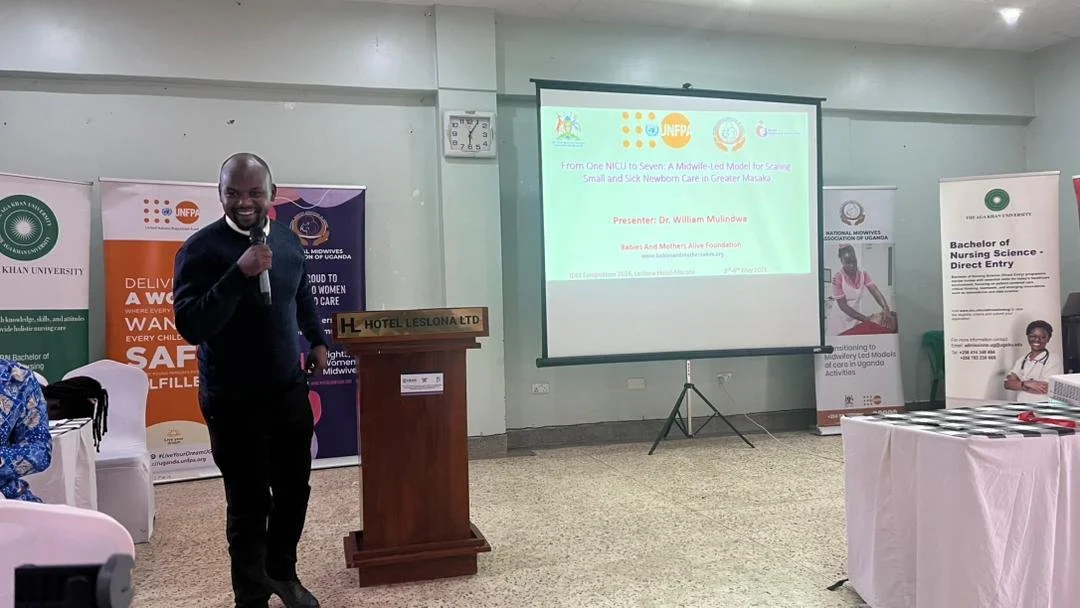
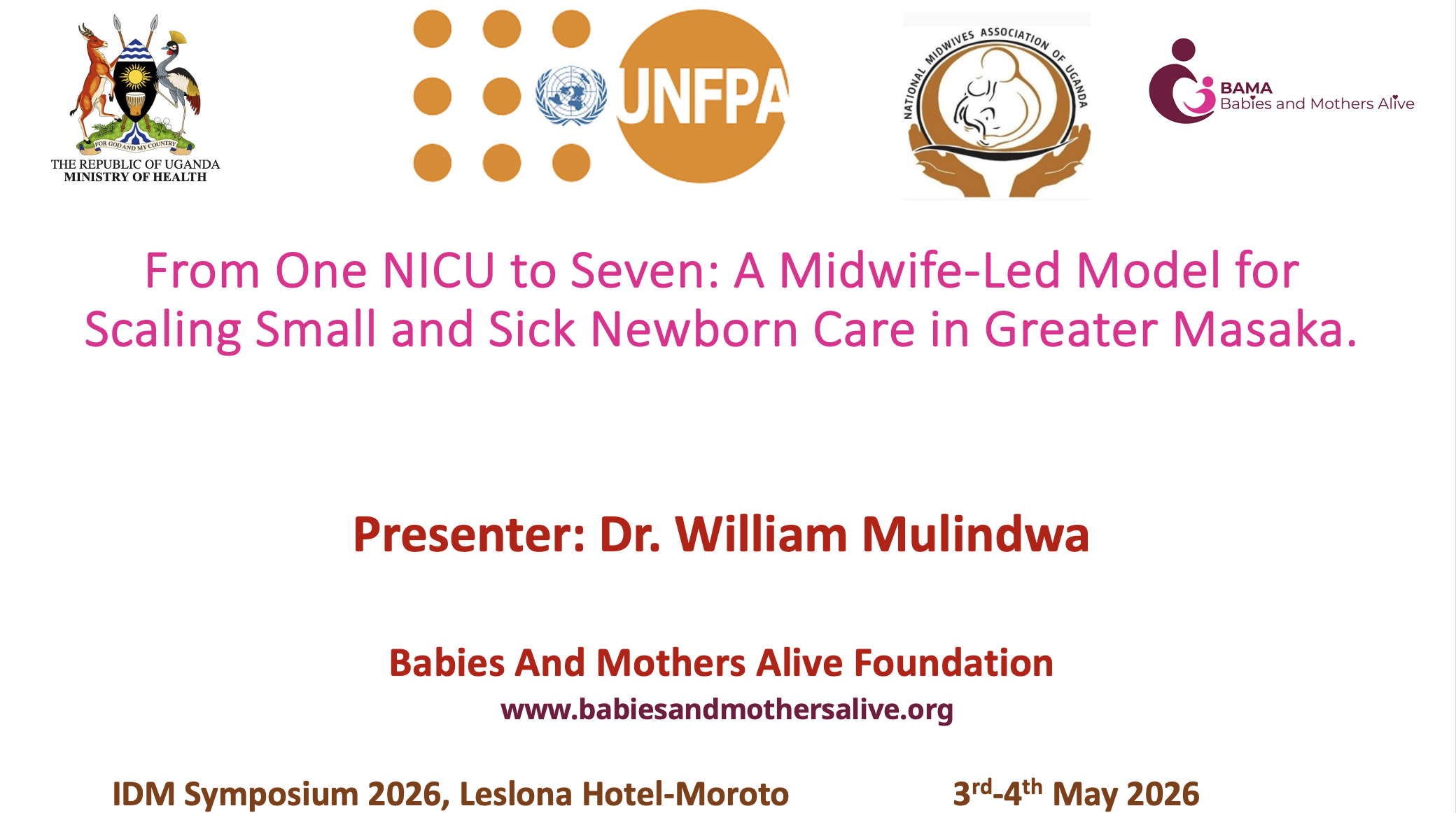
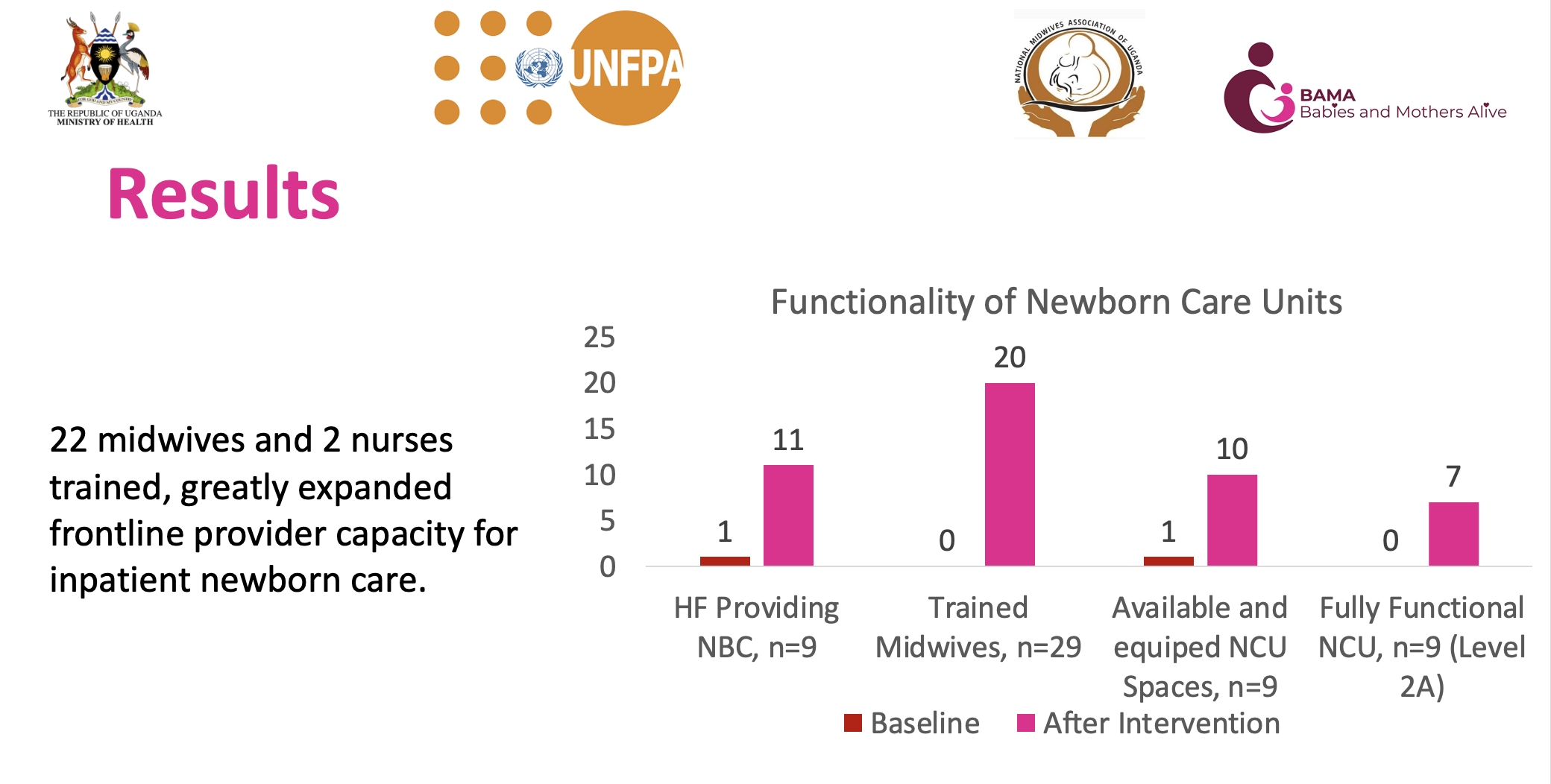
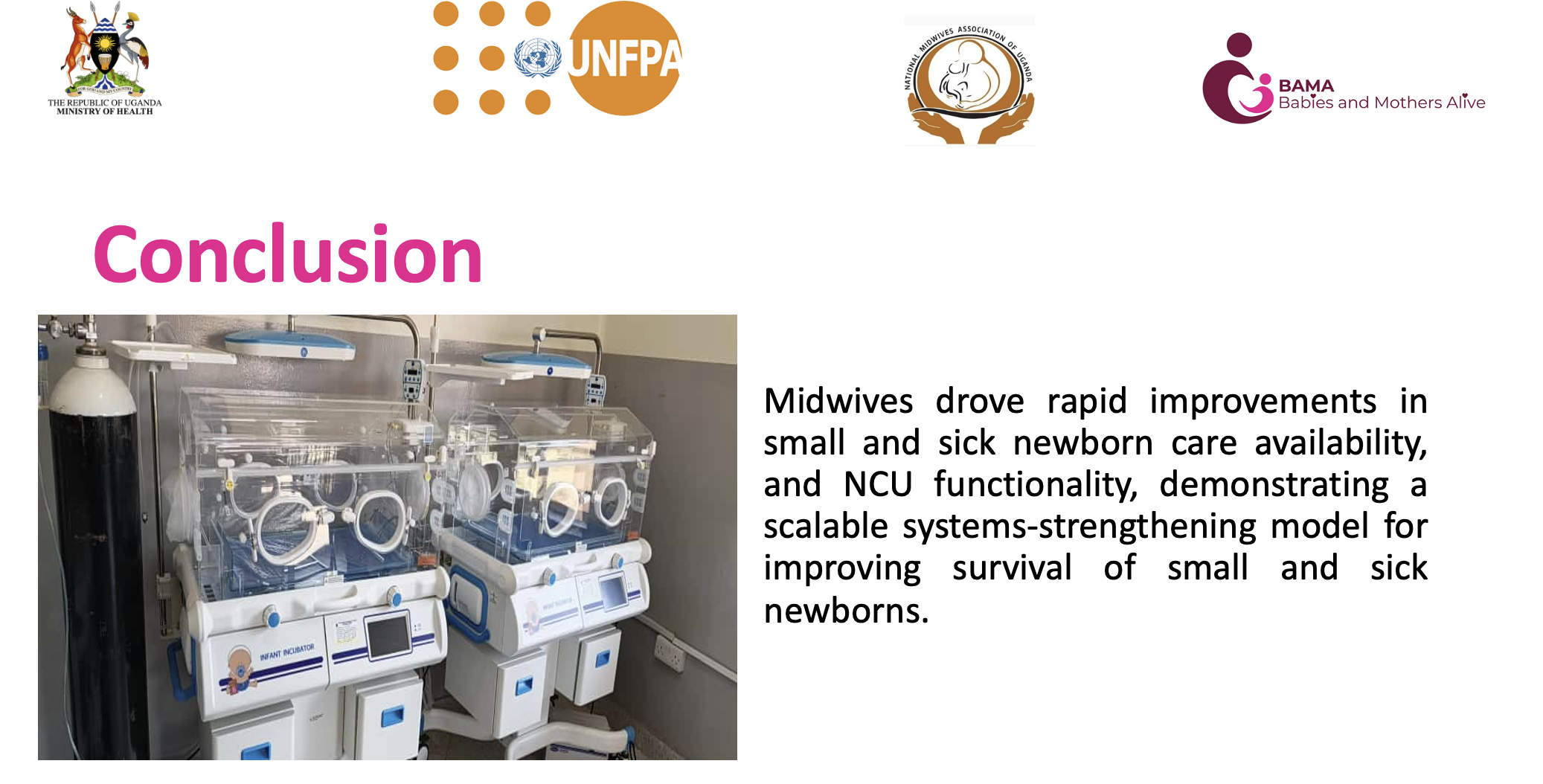
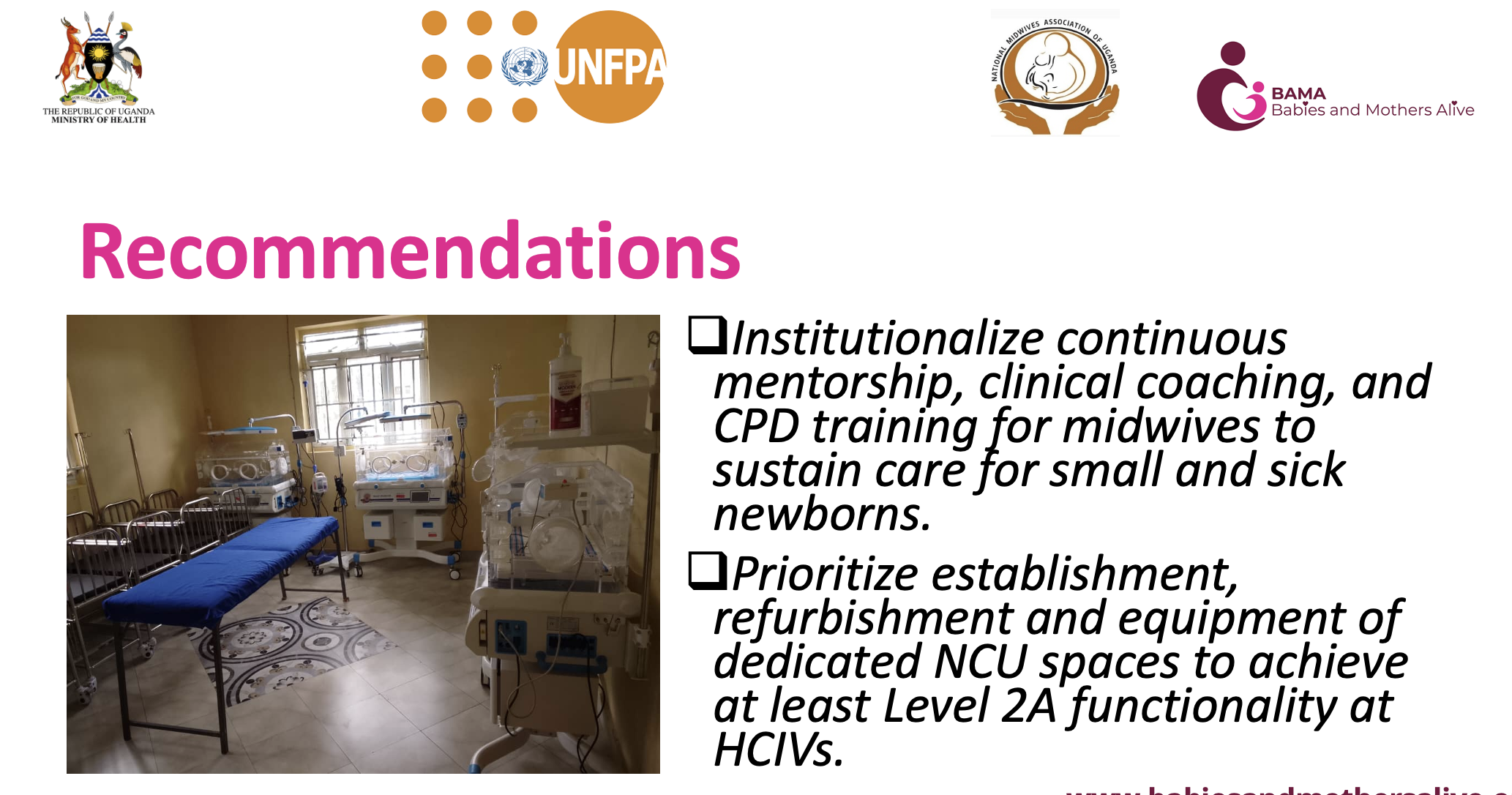
One of the most compelling presentations came from Dr. William Mulindwa, who shared BAMA’s journey: “From One NICU to Seven: A Midwife-Led Model for Scaling Small and Sick Newborn Care in Greater Masaka.”
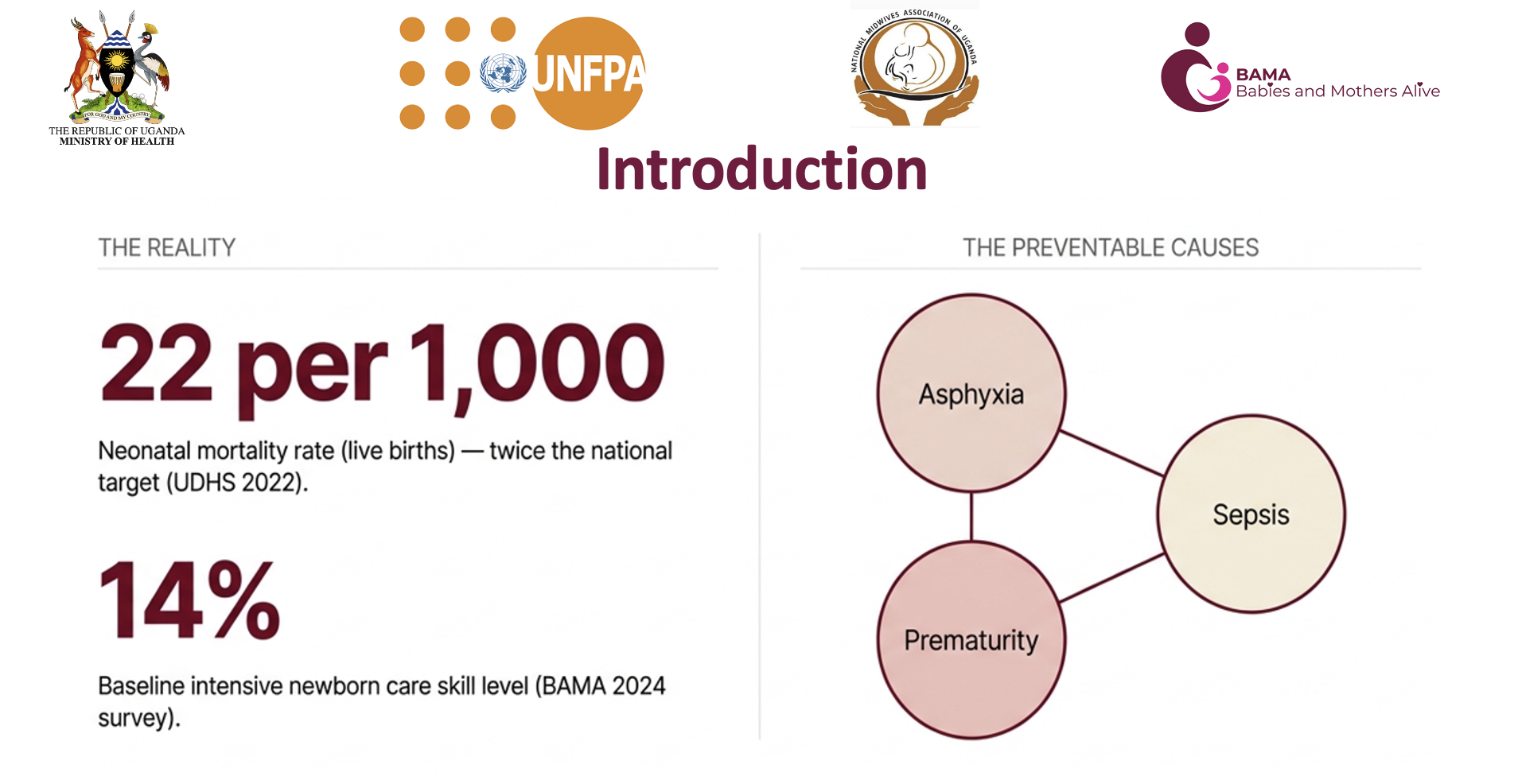
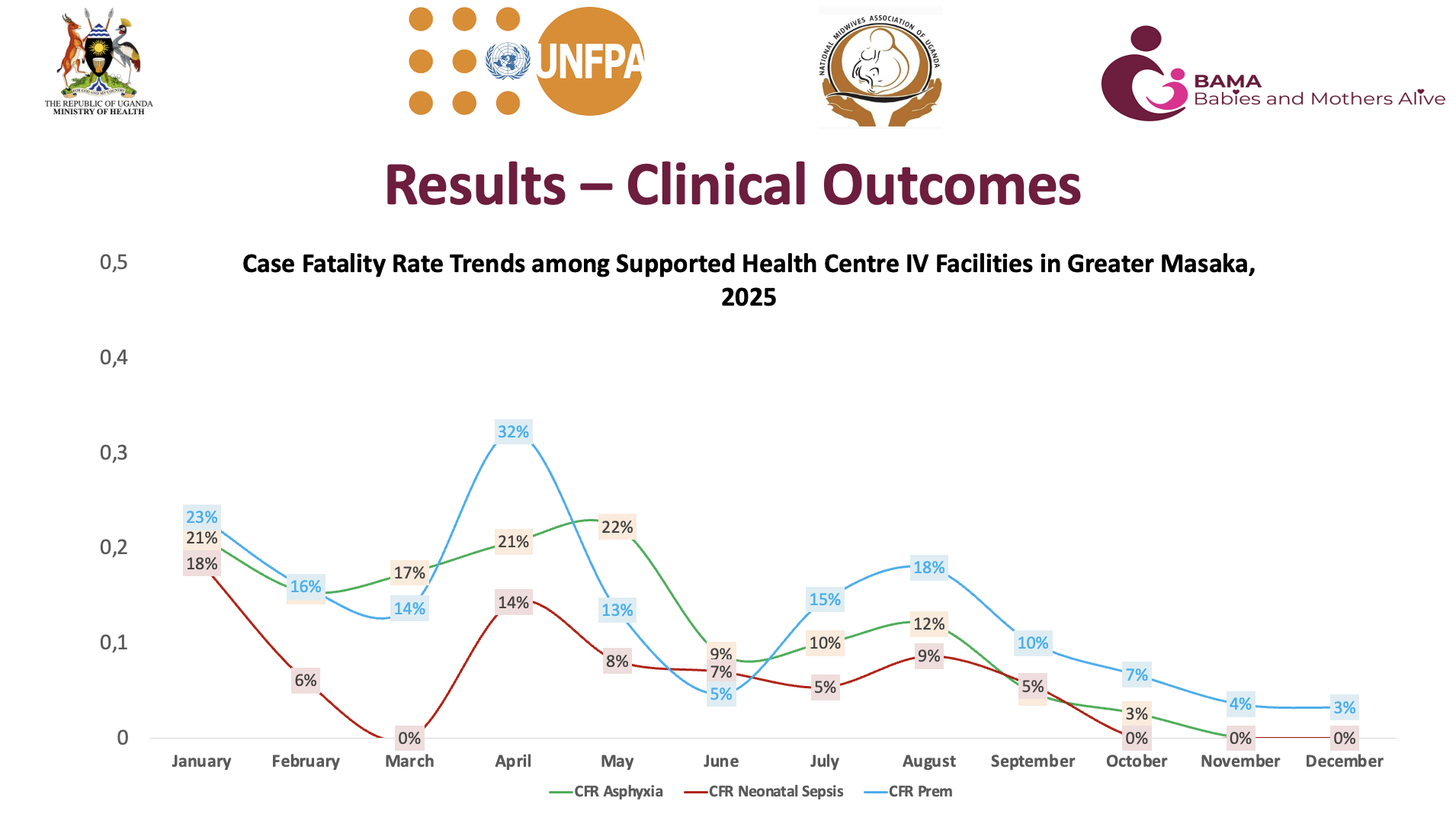
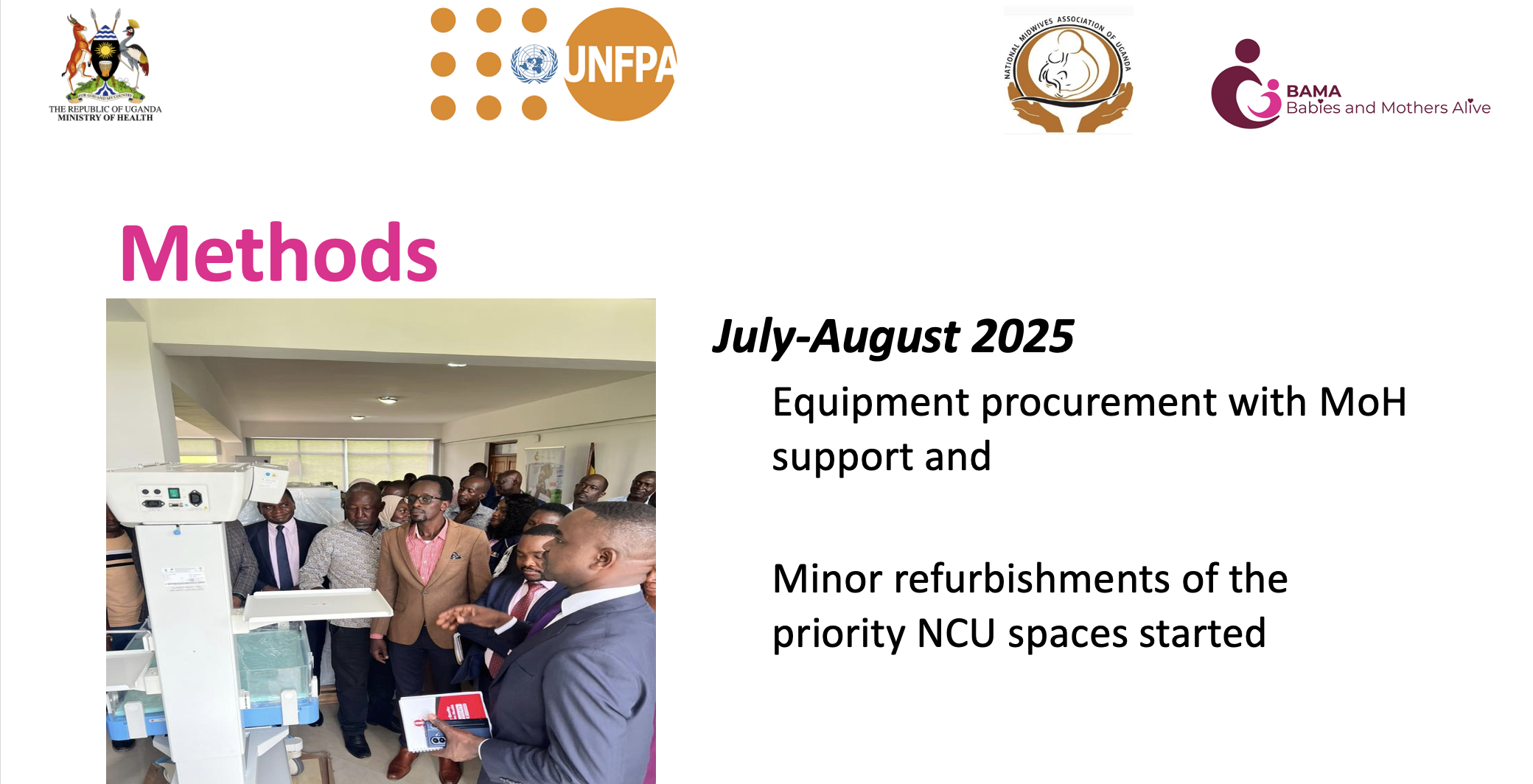
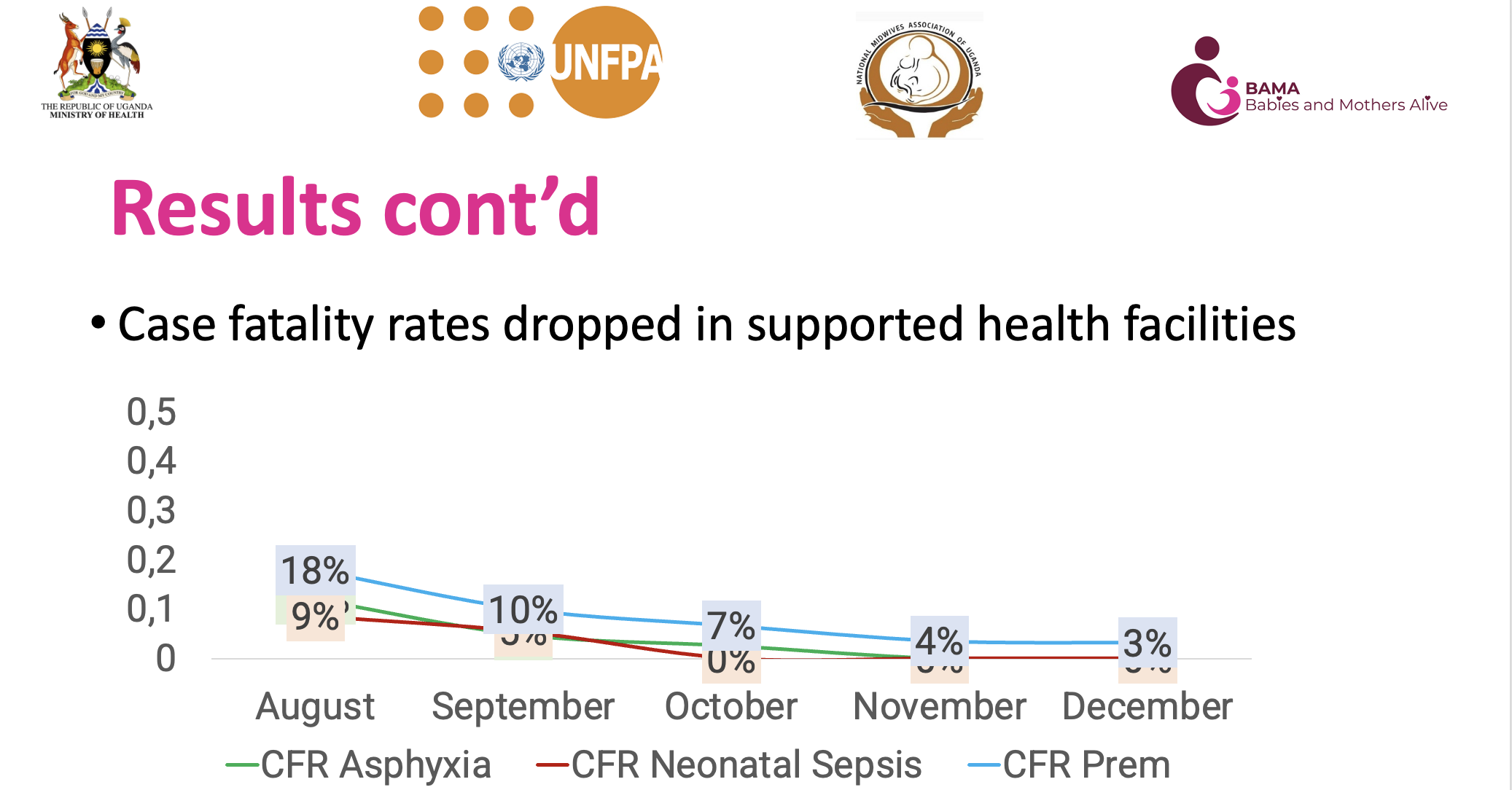
The challenge was clear: high neonatal mortality driven by preventable causes such as birth asphyxia, prematurity, and sepsis. Limited infrastructure, low provider capacity, and underutilised equipment further constrained care.
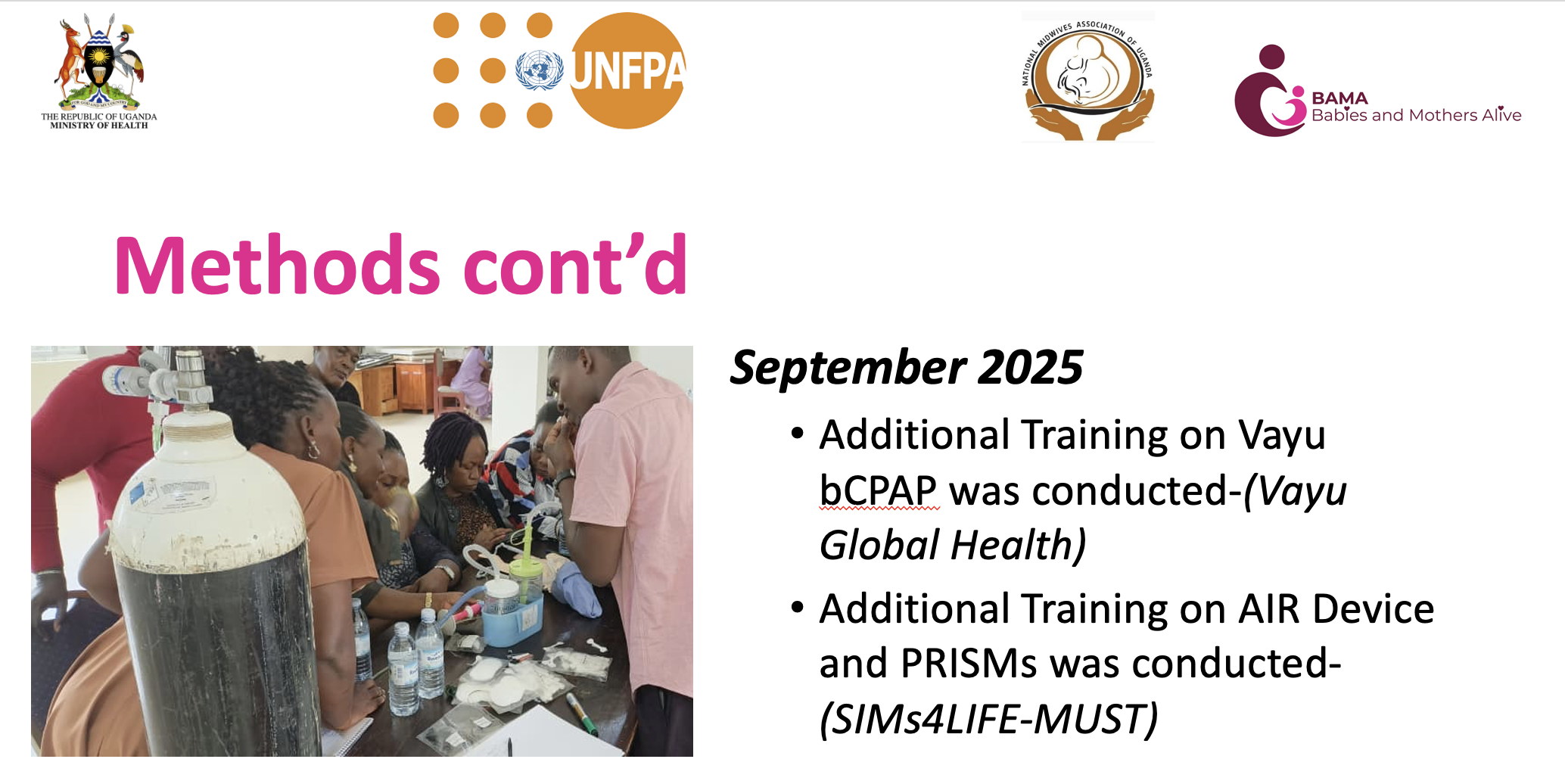
The response? A midwife-led systems strengthening model.
Key results include:
Training of frontline providers, including midwives and nurses
Expansion of neonatal care units (NCUs) across multiple facilities
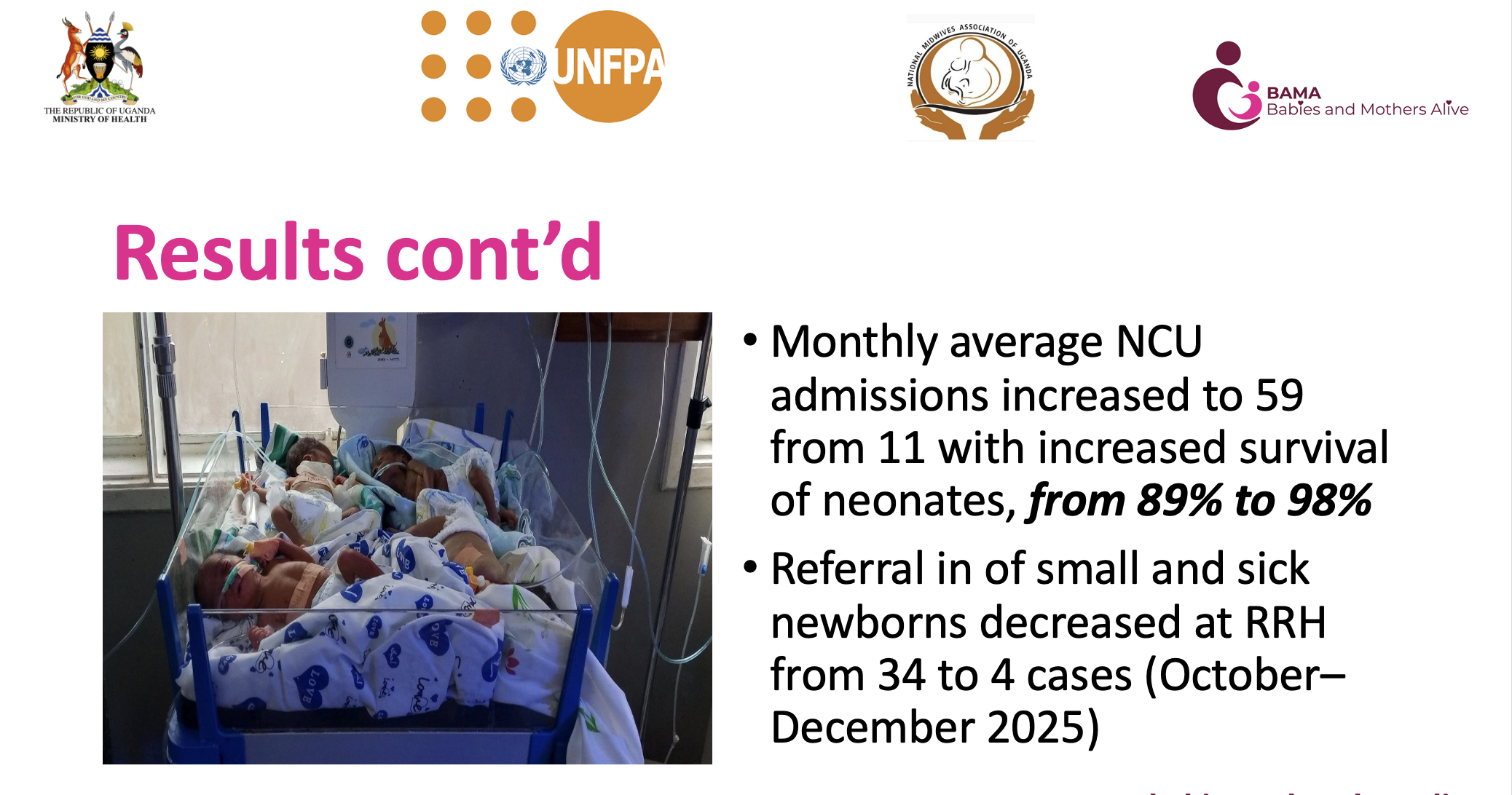
Increase in monthly admissions from 11 to 59
Improvement in neonatal survival rates from 89% to 98%
Significant reduction in referrals to higher-level facilities
This is what scale looks like when built on local capacity: practical, measurable, and sustainable improvements in care.
Leadership and Partnerships Matter
Beyond presentations, the symposium also created space for strategic engagement.
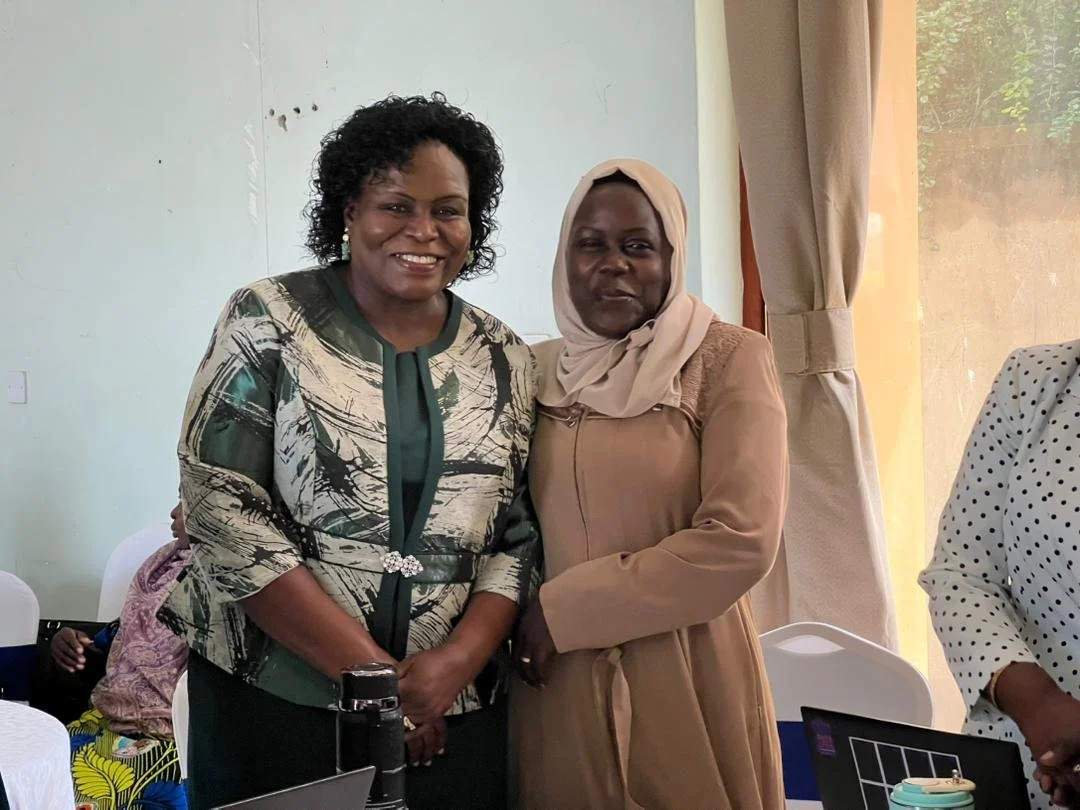
Dr. Mariam, BAMA’s Director of RMNCAH, connected with national leaders including:
The President of the National Midwives Association
The President of the Uganda Private Midwives Association
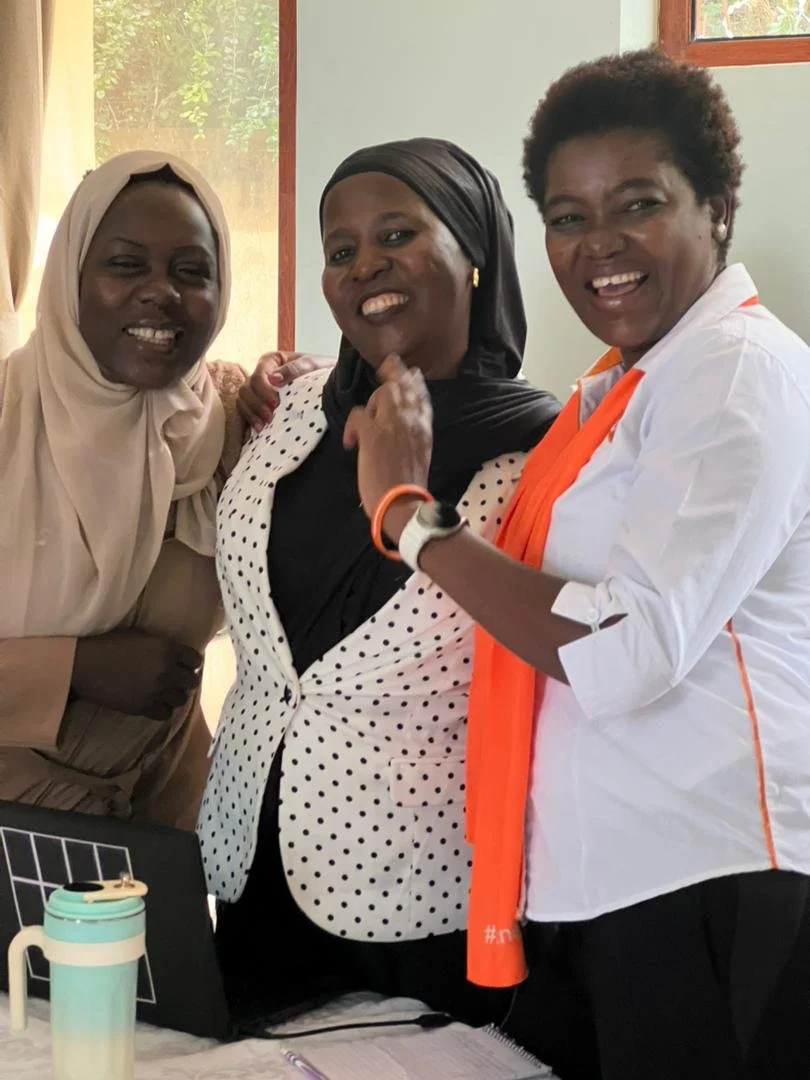
These moments matter. Because scaling impact is not only about programmes — it is about alignment, partnerships, and collective leadership across the ecosystem.
More Than a Theme
“One Million More Midwives” is not just an aspirational slogan. It is a call to action.
Across every session, one message stood out:
investing in midwives is one of the most effective ways to reduce preventable maternal and newborn deaths.
But investment must go beyond numbers. It must include:
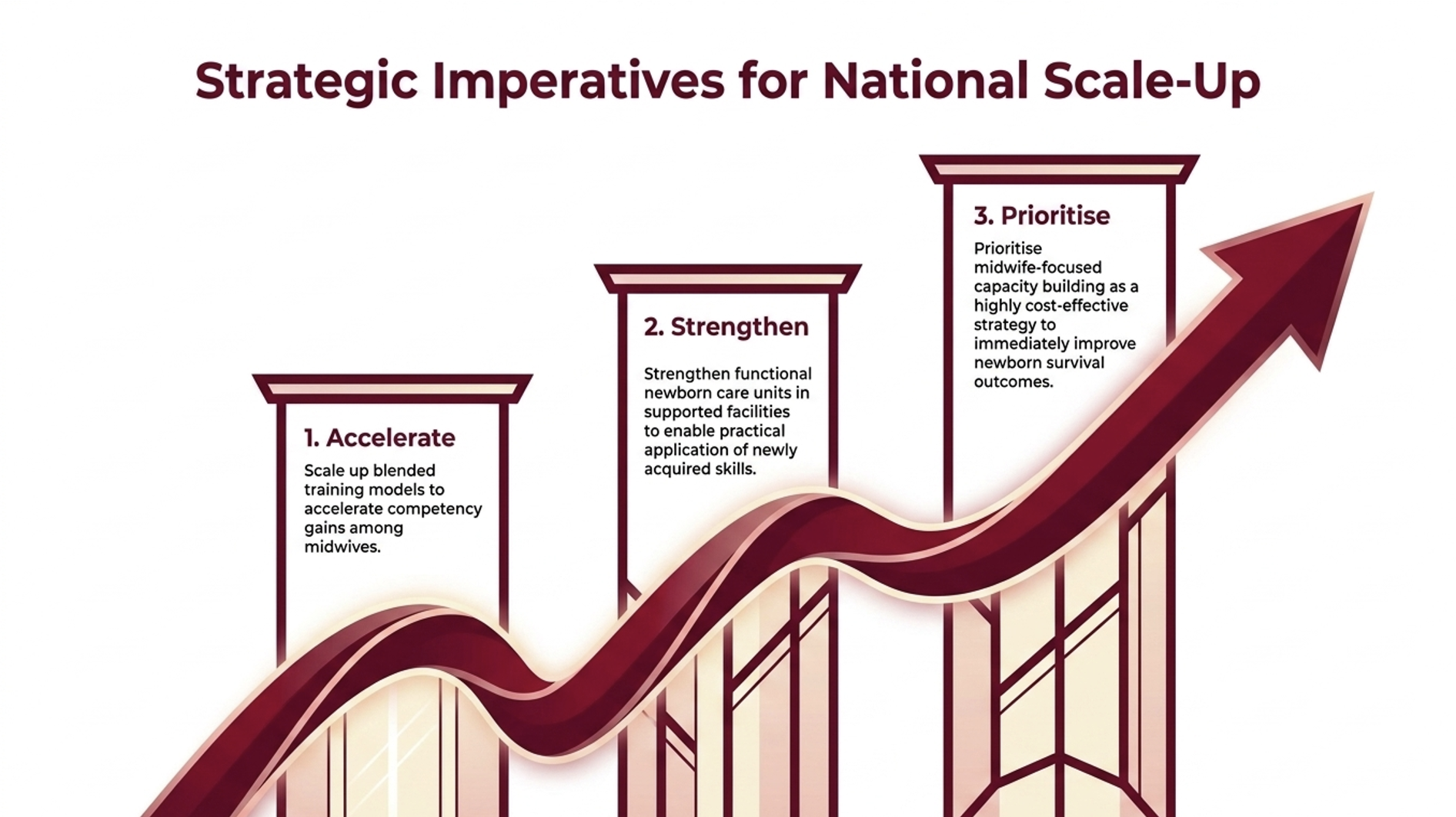
Continuous mentorship and training
Functional infrastructure and equipment
Recognition of midwives as leaders within the health system
Looking Ahead
As BAMA continues its work in Greater Masaka and beyond, the lessons from Moroto are clear:
Midwives can lead system transformation
Local capacity is the foundation of sustainable impact
Partnerships accelerate scale
And perhaps most importantly:
when midwives are empowered, mothers and newborns don’t just survive — they thrive.
We are proud of our team, grateful for the partnerships, and energised to keep building systems where every mother and every newborn has a real chance at life.
