Faith in Action: How Religious Leaders Are Helping Drive Safer Births in Greater Masaka
In many communities across Uganda, faith leaders are among the most trusted voices. They guide families through life’s most important moments: marriage, parenthood, hardship, loss, and hope. At Babies and Mothers Alive (BAMA), we believe that this trust can also save lives.
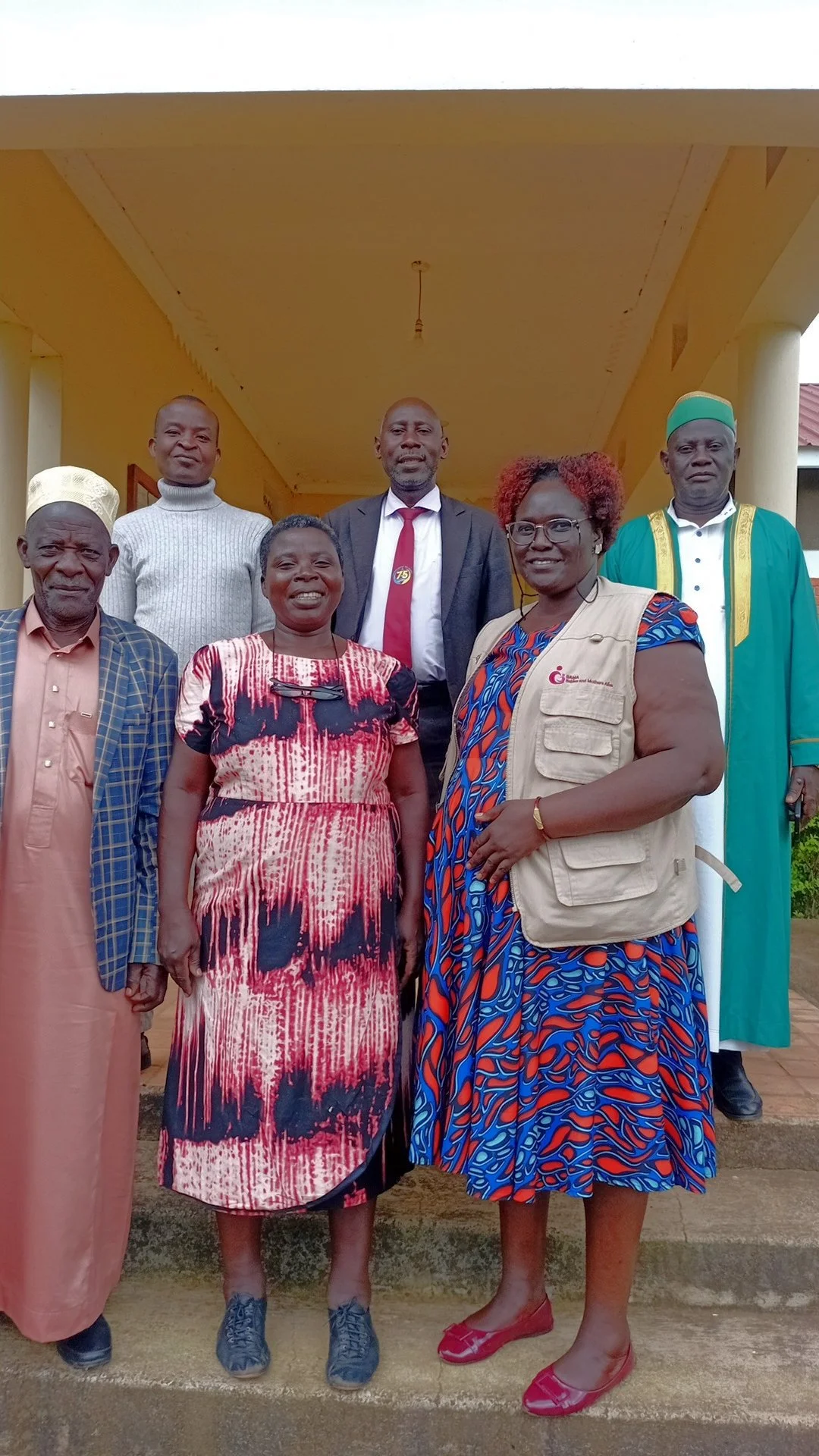
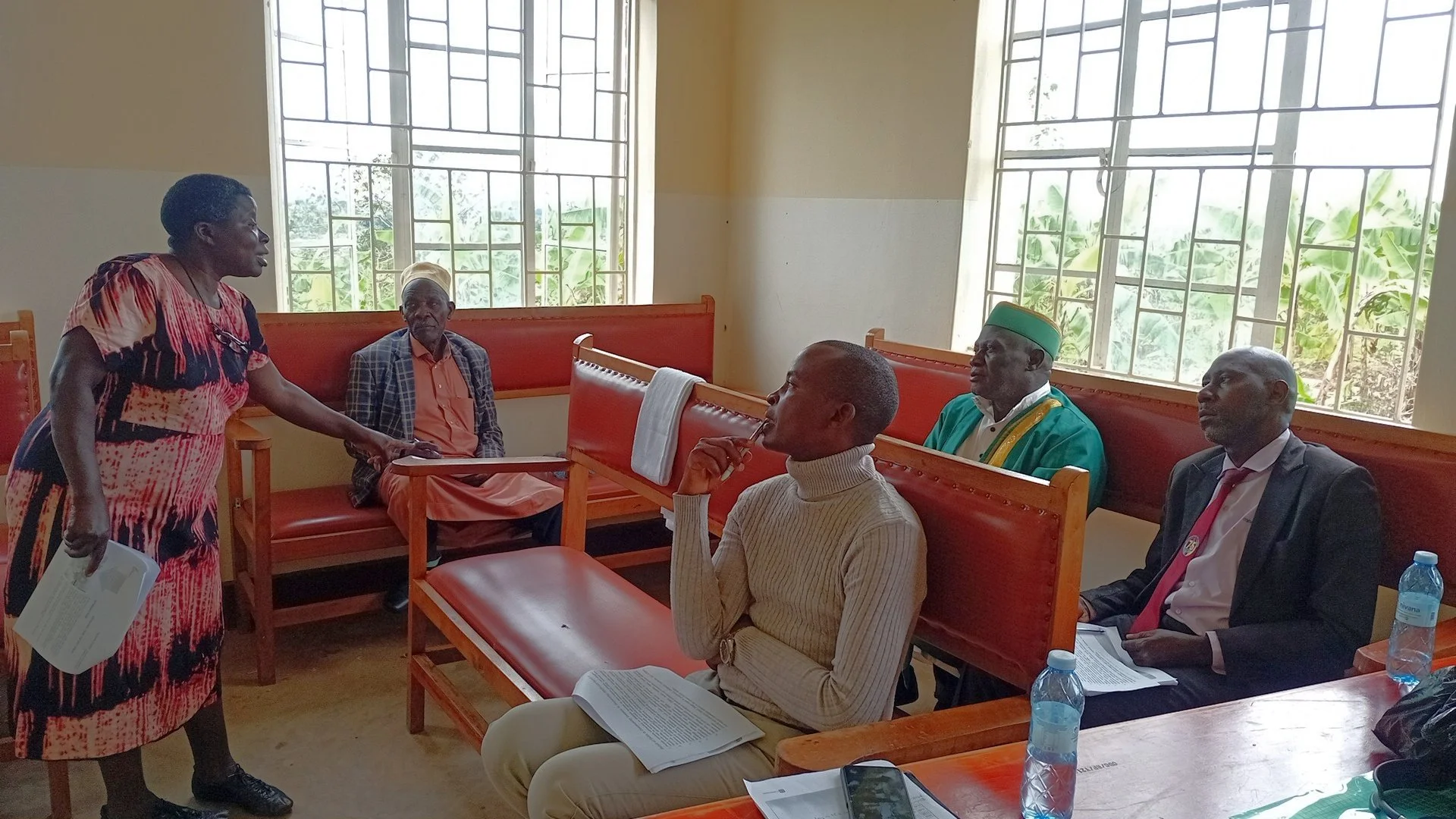
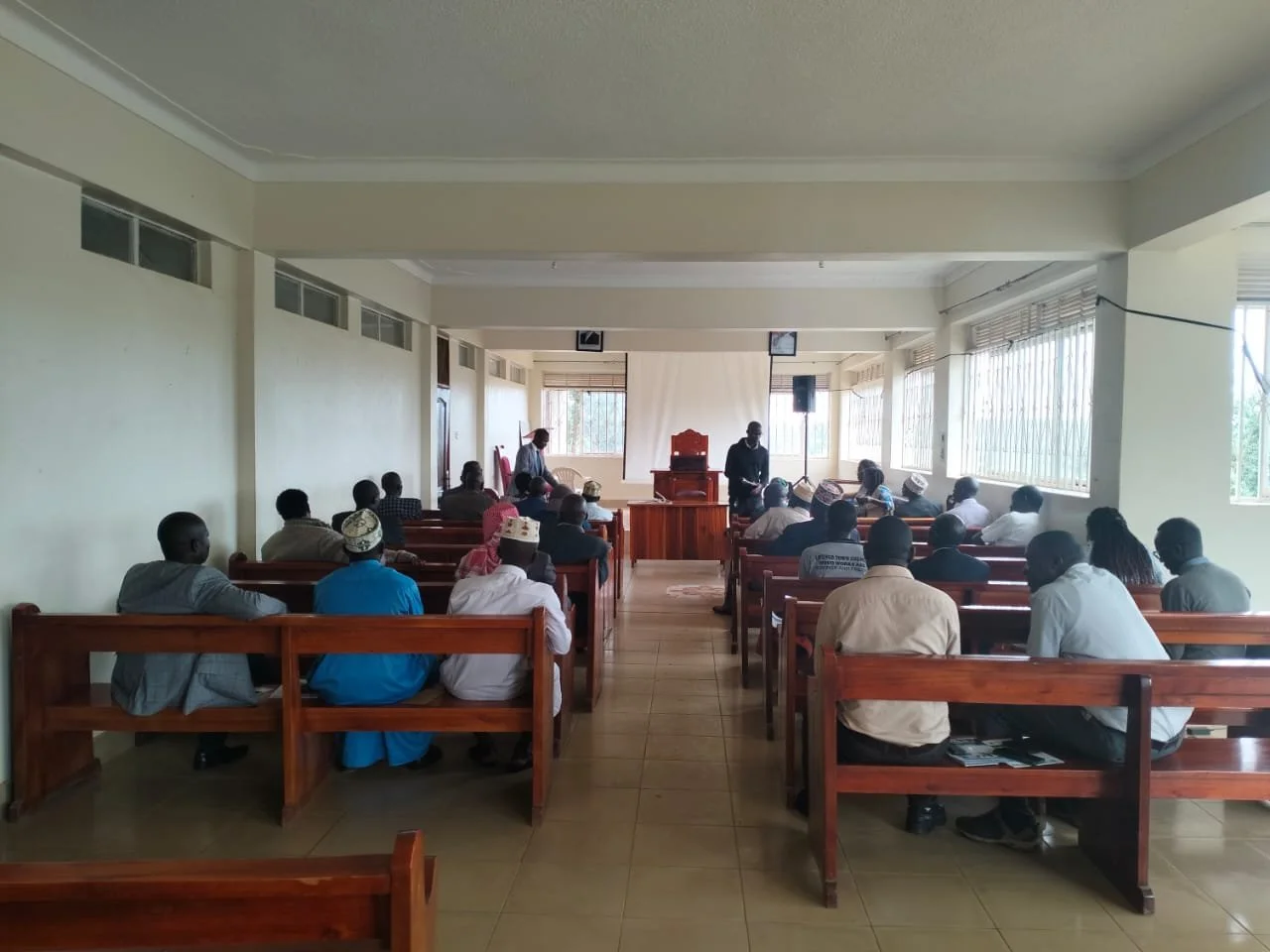
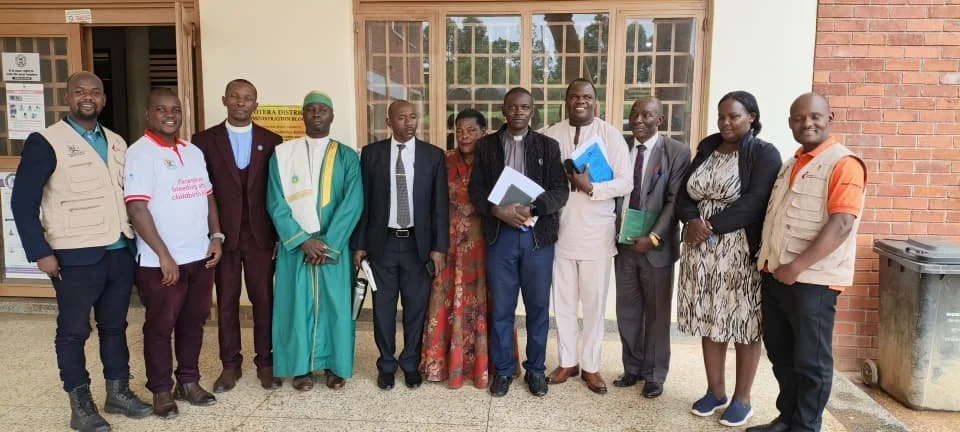
That is why BAMA works alongside district health teams and partners to orient faith-based leaders across Greater Masaka to become champions for reproductive, maternal, newborn, child and adolescent health. Across districts including Ssembabule, Rakai, Masaka City, Kalungu, Lwengo, Kyotera, Bukomansimbi and Masaka, religious leaders from Catholic, Anglican, Pentecostal, Seventh-day Adventist and Muslim communities came together this week with one shared purpose: to help mothers and babies survive and thrive.
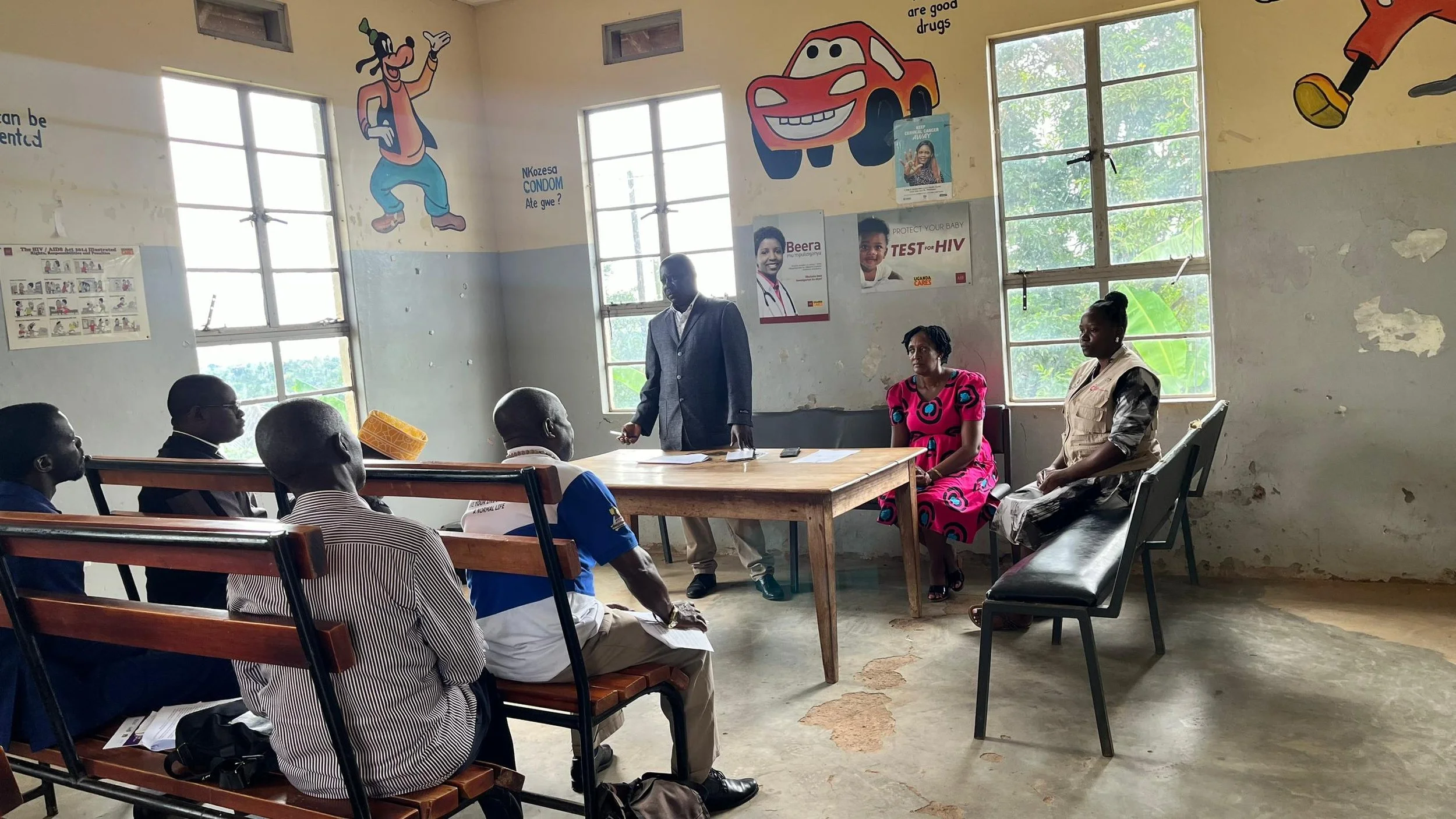
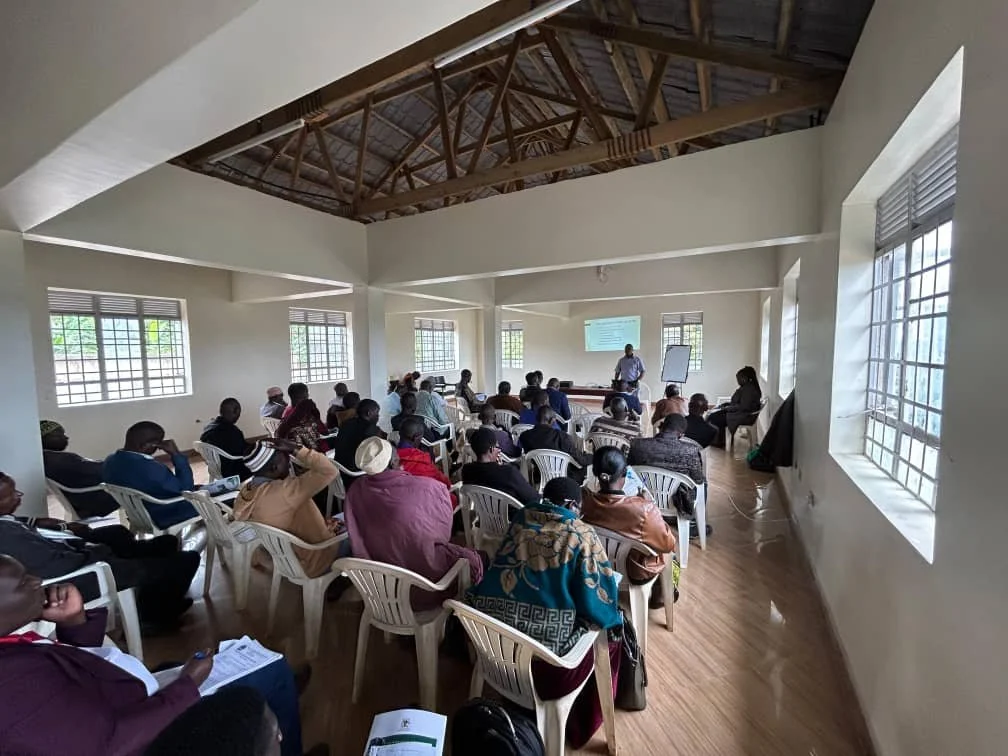
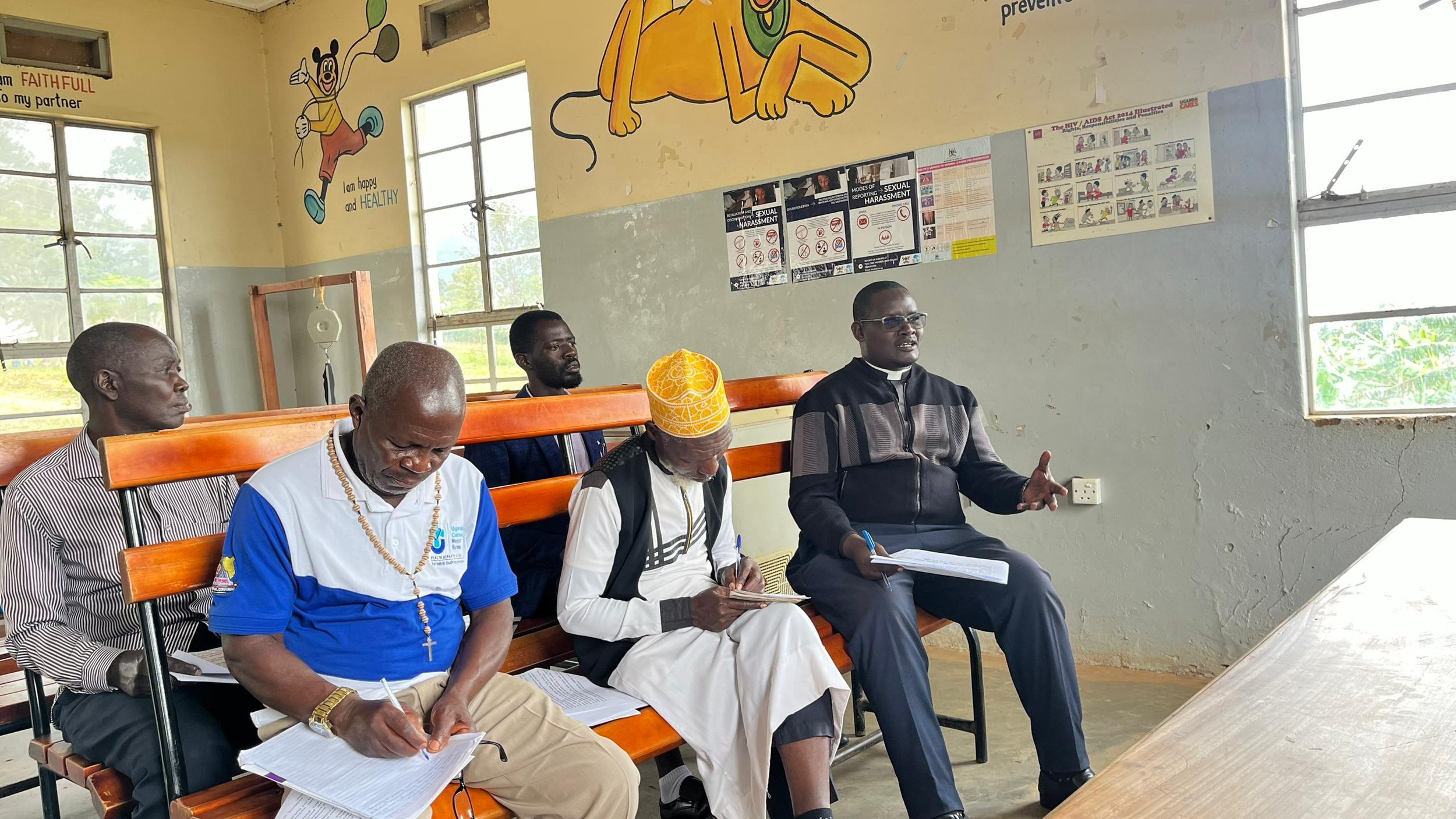
Why faith leaders matter
For many pregnant women and families, decisions about when to seek care, where to deliver, and how to care for a newborn are shaped not only by access to services, but also by community beliefs, traditions, and trusted advice. Faith leaders are uniquely positioned to influence these decisions. They speak to families every week through sermons, counselling sessions, weddings, prayer meetings, and community gatherings. BAMA’s approach recognises that, when equipped with accurate health information, these leaders can become powerful advocates for safe motherhood and newborn care.
Turning trust into action
The orientation was not simply about sharing information. It was about building a bridge between faith institutions and the health system.
Participants explored how they could help identify pregnant women in their communities, encourage them to attend antenatal care early, support male partner involvement, and refer mothers and newborns to nearby health facilities when complications arise. BAMA also introduced simple reporting tools and worked with the leaders to develop practical work plans so that this engagement continues long after the orientation itself.
This matters because maternal and newborn deaths in Uganda remain far too high, despite many of these deaths being preventable. Delays in seeking care, harmful cultural beliefs, limited awareness of danger signs, and weak referral systems all put mothers and babies at risk. By engaging faith leaders, BAMA is addressing these barriers where they begin: within homes, relationships, and communities.
A message rooted in both faith and health
One especially meaningful part of the orientation was the introduction of a booklet containing maternal and newborn health messages drawn from both the Bible and the Holy Quran. This gave faith leaders a way to communicate life-saving information in language that feels familiar, relevant, and culturally grounded for their congregations.
When health messages are reinforced through faith, they can become even more powerful. A sermon about caring for mothers can encourage a husband to support his wife through pregnancy. A counselling session can help a family understand why delivering at a health facility is safer. A community prayer gathering can also become a moment of education, awareness, and referral.
What the orientation achieved
The two-day orientations resulted in concrete outcomes. Faith-based maternal and newborn health focal persons were equipped with knowledge and communication skills, referral pathways between communities and health facilities were strengthened, and action plans were developed to guide ongoing outreach. Leaders committed to enrolling additional faith leaders, integrating maternal and newborn health messages into sermons and gatherings, and working more closely with Village Health Teams and district health officials.
The leaders also openly discussed the challenges mothers still face: delayed antenatal care, home deliveries influenced by cultural beliefs, low male involvement, long distances to facilities, and poor experiences with health services. These conversations were important because they reflected the real barriers communities continue to navigate every day.
Looking ahead: from orientation to movement
This work is part of BAMA’s broader vision to strengthen community ownership, promote behaviour change, and improve maternal and newborn outcomes across Greater Masaka. The orientation also supported community mobilisation around the Safe Birth Initiative, helping to bring safe pregnancy, safe delivery, and proper newborn care into public conversation at grassroots level.
At its heart, this initiative is about partnership. It is about recognising that health systems do not operate in isolation. Mothers do not make decisions alone. Communities, families, beliefs, and trusted leaders all shape whether a woman gets the care she needs in time.
By working hand in hand with faith leaders, BAMA is helping transform places of worship into platforms for health promotion, protection, and hope.
Because every mother deserves a safe birth. And every newborn deserves a healthy start.
