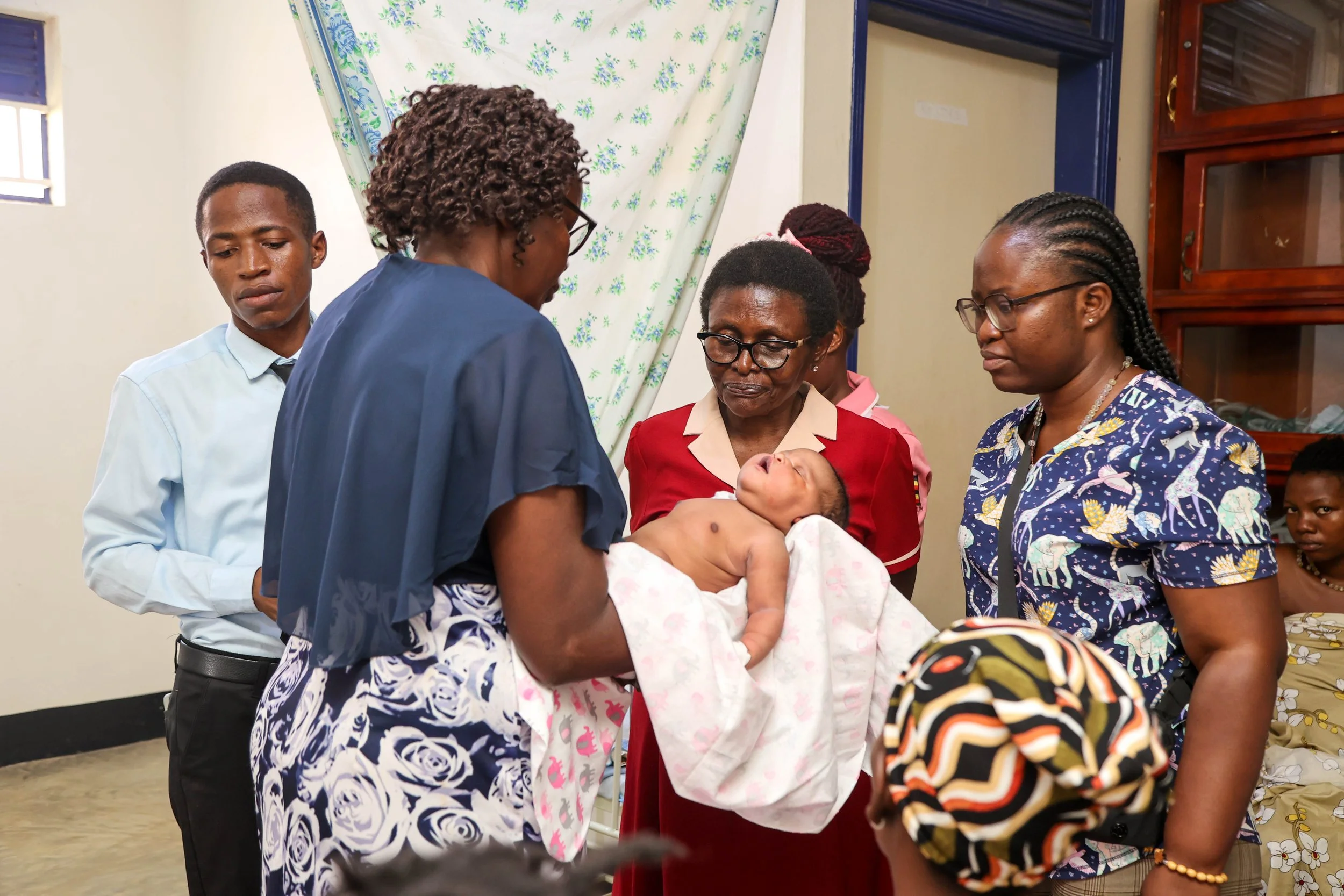
For two weeks, Betty Namuddu has stayed at Butenga Health Centre IV, watching as health workers care for her newborn daughter. Betty, from Kyamabaale Village in Bukomansimbi District, about 13 kilometres away, arrived at the facility a few days past her expected delivery date. Labour was induced, but her baby developed birth asphyxia and was admitted immediately to the newborn special care unit.
“Seeing how she was being cared for, I felt assured that she was in good hands,” Betty says. “Seeing how my baby is responding, I am hopeful.”
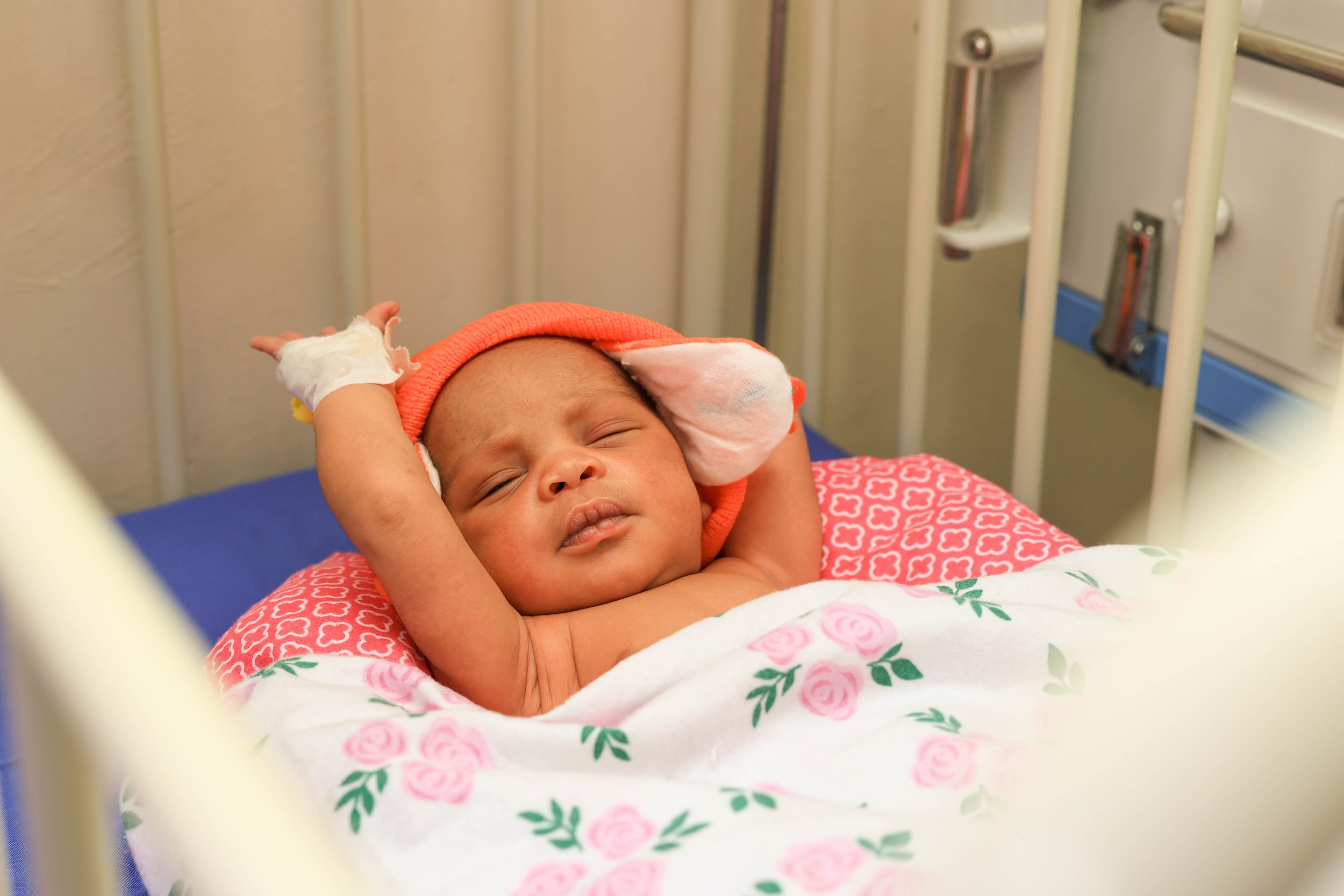
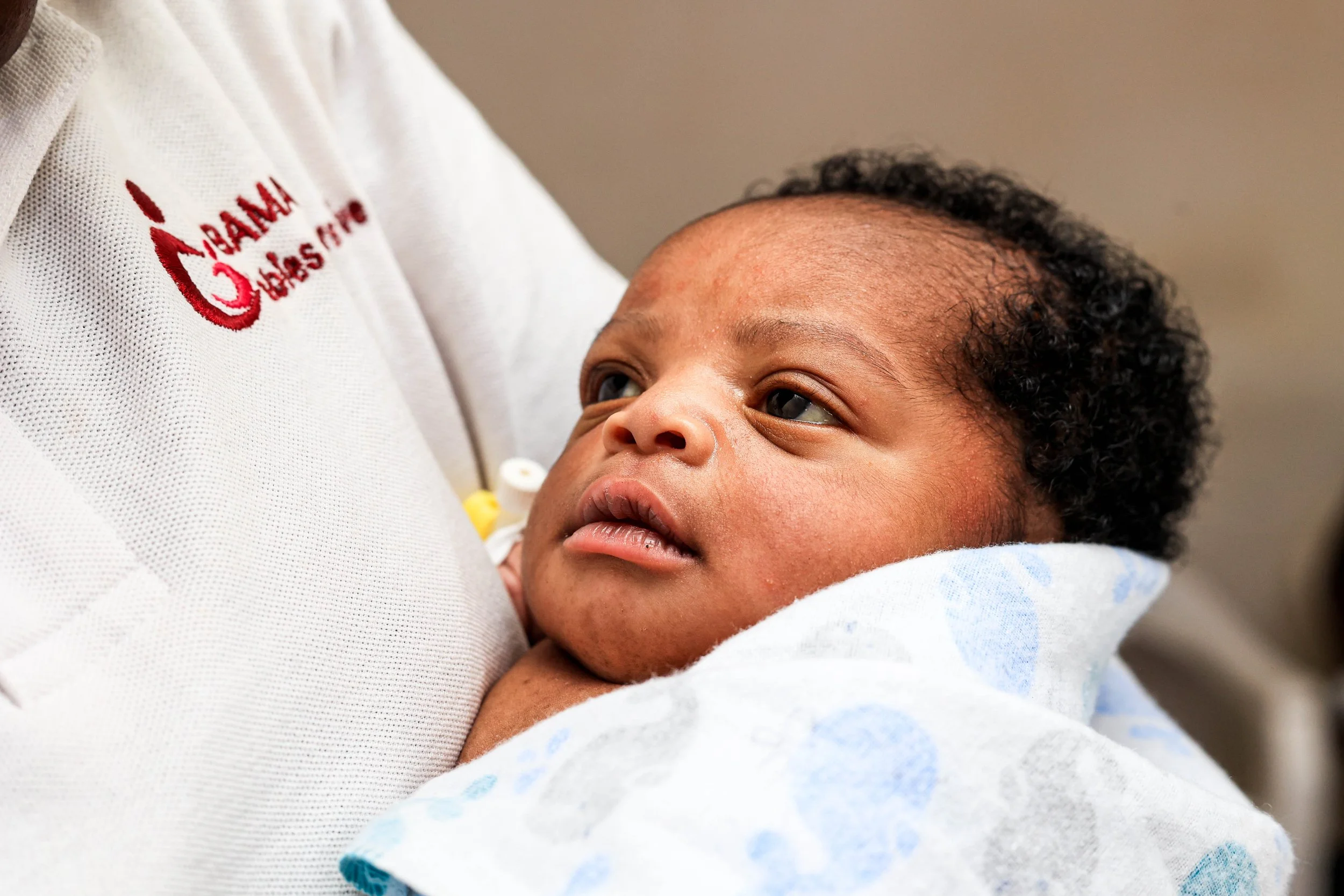
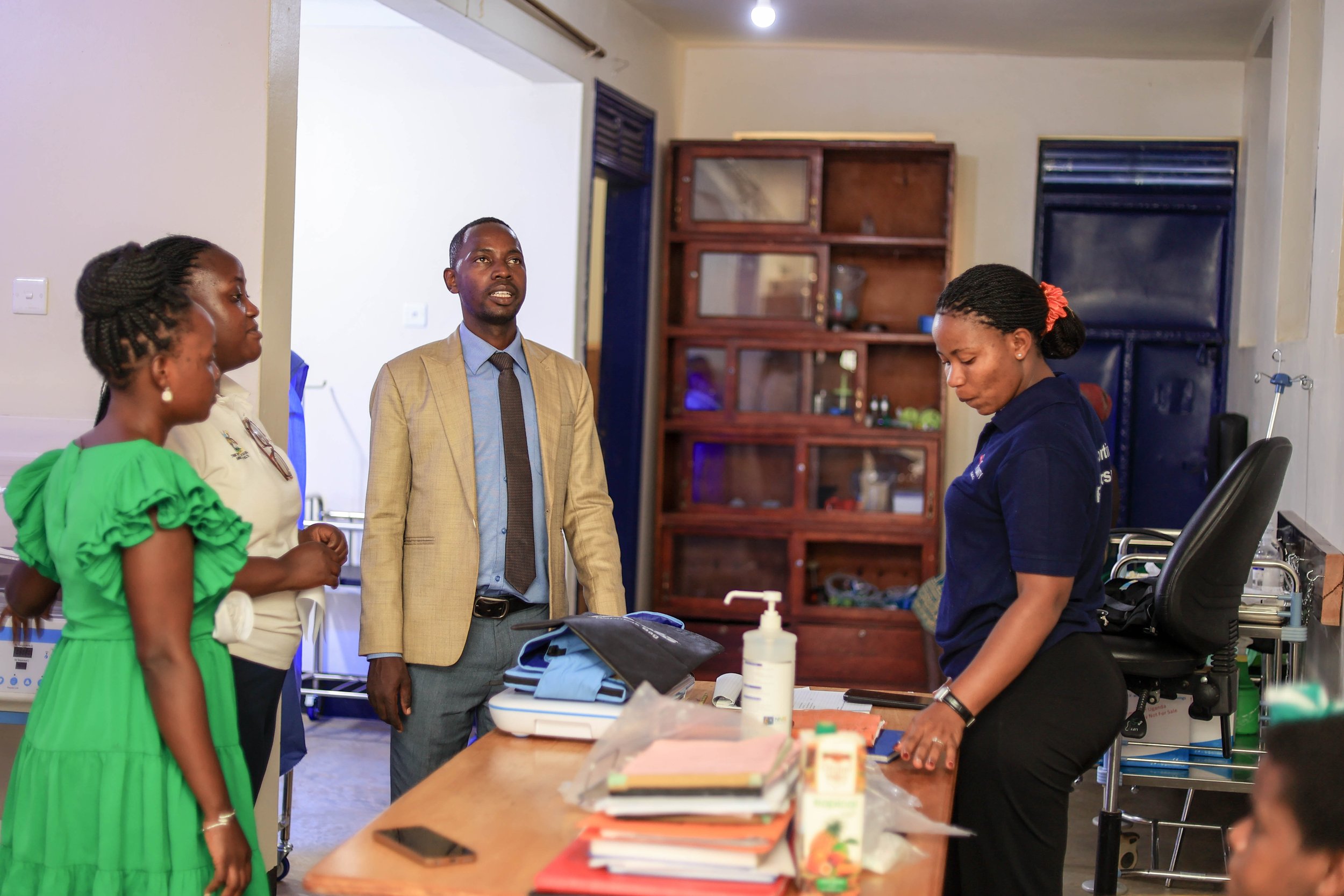
Bringing newborn care closer
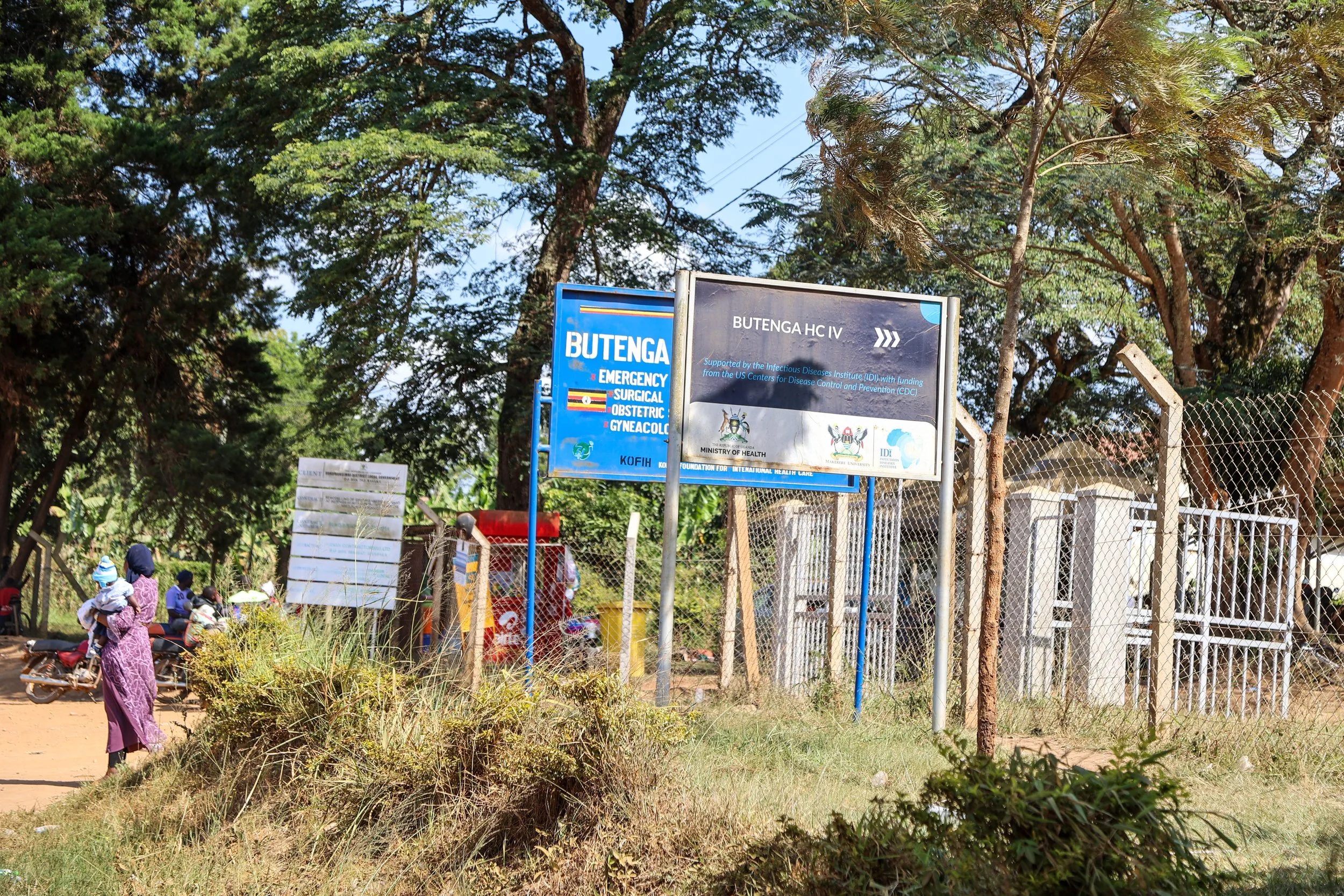
Butenga Health Centre IV is the highest-level public health facility in Bukomansimbi, a district of about 200,000 people without a district hospital. It also receives patients from Ssembabule, Kalungu and Gomba districts, as well as parts of Lwengo and Masaka City. The facility conducts about 280 deliveries every month.
Until recently, most sick newborns requiring specialised care were referred to Masaka Regional Referral Hospital, about 24 kilometres away. That often meant another journey for mothers and families already dealing with a sick baby.
“Babies requiring special care were being born, but we had to refer most of them,” says Dr. Joseph Ssuuna, the District Health Officer.
For some families, referral was difficult. Some mothers declined because they could not afford the journey or a prolonged stay away from home.
In FY2022/23, remodelling of the maternity unit created space for newborn care. The room measured about 2.5 by 2 metres and initially had four cots, a radiant warmer, an incubator and a phototherapy machine.
But having a room and equipment did not immediately make the service functional. No staff had been specifically assigned to the unit, few health workers had neonatal-care training, and midwives working on the labour ward could not reliably monitor sick newborns in a separate room while also attending to mothers in labour.
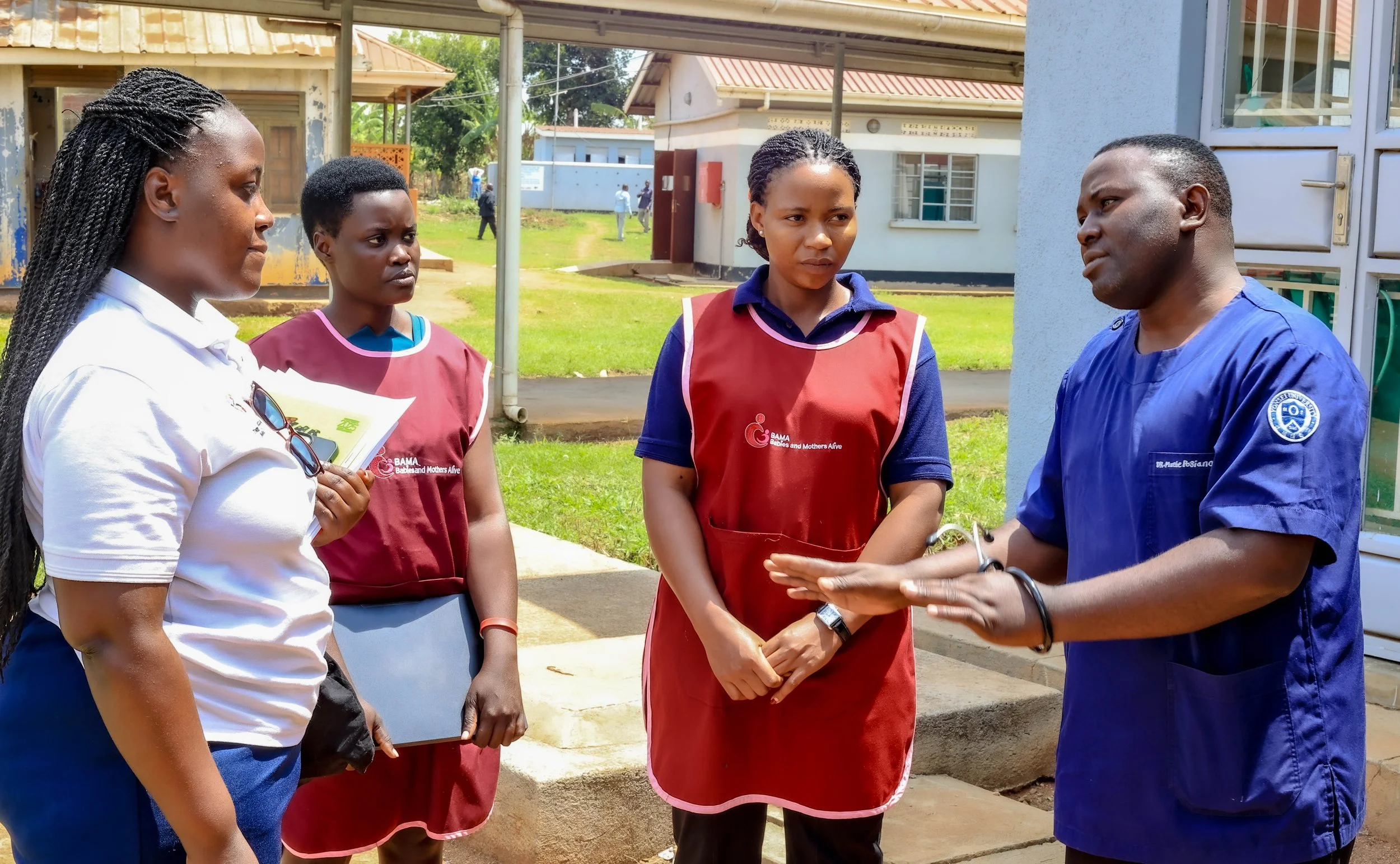
The facility and district then worked with the Babies and Mothers Alive Foundation on neonatal-care training and mentorship. This included clinical placements for two midwives at Masaka Regional Referral Hospital, where they gained practical experience managing small and sick newborns.
Dr. Ponsiano Mwebe, the facility in-charge, assigned midwife Cissy Namuddu to the unit. The district later added a nurse, while a volunteer also joined the team. Doctors began taking a larger role in reviewing sick newborns, helping the unit provide care throughout the day and night.
“When I started, I did not know how to manage neonates,” Cissy says.
The team now manages babies with prematurity, birth asphyxia, sepsis, jaundice, hypothermia and hypoxic-ischaemic encephalopathy. Continued mentorship also helps health workers assess which babies can safely remain at Butenga and which need referral to a higher-level facility.
From April 2026, the unit received additional equipment, including patient monitors, CPAP machines, LED phototherapy equipment, Embrace warmers, Penguin suction devices and a refrigerator. Five more cots were also donated, increasing capacity from four to nine beds. Babies no longer have to share cots, an important improvement for infection prevention and safer care.
Before the expansion, the newborn special care unit admitted about five to ten sick newborns a month. Across four quarters spanning 2025 and 2026, the unit recorded 492 admissions, with admissions rising in the later quarters.
Three deaths were recorded during that period, giving a case fatality rate of 0.6 per cent. The most common conditions were neonatal sepsis, with 235 cases, followed by birth asphyxia with 123 cases, prematurity with 54 and jaundice with 31. Some babies had more than one diagnosis.
“We now refer only the very critical cases that require a higher level of care,” says Dr. Ssuuna.
For families, that change means more babies can receive care without immediately being sent outside the district.
Juliet Nagginda, from Makoomi Village, delivered prematurely at Butenga. Her baby weighed 2.2 kilograms and developed birth asphyxia. Health workers started oxygen immediately, and three days later mother and baby were able to return home.
“The health workers were patient and loving with our babies,” Juliet says.
Care that continues at home
Care does not end when a baby leaves the newborn unit. Through BAMA’s Hospital-to-Home programme, Village Health Teams follow up small and sick newborns after discharge. Babies considered at higher risk are followed until they reach 3 kilograms and then monthly up to six months, while lower-risk babies are also followed monthly over the same period alongside scheduled facility reviews.
In FY2025/26, 141 babies were followed up through the programme. Before discharge, mothers are counselled on breastfeeding, hygiene and danger signs that should prompt them to return to a health facility.
“Medicine does not end at the health facility,” says Dr. Mwebe. “It extends into the community.”
Growing demand, remaining gaps
As more babies are managed at Butenga, the service is also facing growing pressure.
The newborn unit currently has two nurses and one volunteer, compared with ten nurses identified in the facility’s own staffing needs assessment. The facility also has two medical officers shared across all services, against a need for six.
These staffing gaps sit within a much wider workload. Butenga receives about 2,000 outpatients and close to 1,000 inpatient admissions every month. Around 400 of those admissions are in maternity, where about 14 beds serve a service that can handle as many as 14 deliveries on busy days.
Power supply is another challenge. A transformer shared with the town council causes low voltage and fluctuations. The facility generator is not functional, while the existing solar backup remains weak. Patient monitors and oxygen concentrators are also in short supply.
The district is considering additional staffing to support the growing workload.
The experience at Butenga shows that creating space for newborn care was only the beginning. The service became more functional when trained health workers were specifically assigned to the unit and supported through mentorship, equipment, stronger clinical involvement and district leadership.
Follow-up after discharge has extended that care beyond the facility, helping families continue monitoring vulnerable newborns after they return home.
“You need health workers who have an interest in newborn care and who are specifically assigned to the unit,” says Dr. Ssuuna. “You also need the appropriate equipment.”
This story was featured in Uganda’s National Maternal and Perinatal Death Surveillance and Response Report for FY2025/26.
